

Radiology & Cardiology Imaging Services 

Catholic Health offers comprehensive and convenient radiology and cardiac imaging services at locations across Nassau and Suffolk Counties. 

Our radiology and cardiology experts use advanced imaging technology to provide quick and precise diagnoses, ensuring you can start your treatment plan without delay. With modern equipment and expert care, you can rest assured you will receive the highest level of imaging services at any Catholic Health imaging location.

We use the latest technology to evaluate, screen, and diagnose various health conditions, including those related to neurology, oncology, cardiology, orthopedics, gastroenterology, and women’s and men’s health.

Specialized Imaging Services

Catholic Health imaging experts consult with specialists so you can receive accurate, thorough diagnoses to guide personalized treatments tailored to your unique needs and health goals.

Catholic Health provides a full spectrum of radiology and cardiology imaging, including:

  • Computed tomography (CAT) scans
  • Cardiac CAT scans
  • Lung cancer screening
  • Echocardiography
  • Interventional radiology
  • Magnetic resonance imaging (MRI), including upright MRI
  • Cardiac MRI
  • Mammography
  • Bone density
  • Nuclear Cardiology
  • Nuclear Radiology
  • PET scan
  • Ultrasound
  • X-ray and fluoroscopy

What is a PET/CT exam?

A PET/CT exam is an imaging study that shows your internal tissues and organs, and how well they are working. These exams are usually ordered to diagnose or learn more about a disease, such as cancer, or heart and brain conditions.  It is also used to evaluate how well treatments are working.

In alignment with our patient safety initiatives, our PET/CT equipment uses technology that reduces the amount of radiation to the patient, promoting safety without compromising the images.

When you call to schedule your appointment, we will provide you with instructions, like following a special diet before the test.

During the scan, you will lie flat on a padded table that will slide into an open, donut-shaped machine. The scan itself generally takes about 10 to 40 minutes, depending on the type of study your doctor ordered. 

Overall, please plan to be with us for one to two hours. You will be asked for your name and date of birth several times during your visit. This is to ensure your safety. We thank you for your patience.

Once complete, a board-certified radiologist will interpret, or read, the images and send a report to your health care provider. You should contact your health care provider for the results of your test. You may also access your results in MyChart.

What is a CT scan?

A CT scan (also called a CAT scan) is a simple, painless imaging test. It uses a series of x-rays to produce clear pictures of organs, bones, muscles and blood vessels. Depending on why your provider has ordered this test, you may be given oral or IV contrast (dye) for more detailed images. These images help to diagnose disease and injuries.

Low-dose technology

 Our CT machines utilize technology that reduces the amount of radiation to the patient by up to 82%. This is especially important for children, young adults, and patients who may need to have these tests performed often. 

If your test is ordered with IV contrast, you may need blood work first to check that your kidneys can safely process the contrast. If your test is ordered with oral contrast, you will be given instructions on where to pick it up and when to drink it.

If you have allergies to imaging contrast, you may need to take steroids or antihistamines before the test. When you call to make your appointment, you will be asked about allergies. If there are special instructions, your health care team member will provide those to you at that time

During the exam, you will lie flat on a table that will slide into an open, donut-shaped machine. If you need IV contrast you will have an IV placed. The dye may make you feel warm and give you a metallic taste, both of which will fade quickly. Depending on the type of exam, you may be asked to hold your breath for a few seconds during the test.

The scan generally takes between 5 and 15 minutes, depending on the type of study your doctor ordered. Some studies may take longer, especially if they require IV contrast.

You will be asked for your name and date of birth many times during your visit. This is to ensure your safety and we thank you for your patience.

Once complete, a board-certified radiologist will interpret, or read, the images and send a report to your health care provider. You should contact your health care provider for the results of test. You may also access your results in MyChart.

What is Ultrasound?

Ultrasound, also known as sonography, is a simple imaging test that uses high-frequency sound waves to create real-time pictures or video of organs and blood vessels. While it is often used to help monitor the health and development of a fetus, ultrasound testing is also used to diagnose many diseases and conditions as well as guide certain biopsy procedures. 

Ultrasounds do not use ionizing radiation, and there are no known risks associated with this type of testing.

You may be asked to change into a gown.

During the exam, you will lie flat. Gel will be placed on your skin to help the transducer, or probe, slide across it. The technologist will apply varying amounts of pressure to obtain images of structures as ordered by your health care provider.

You will be asked for your name and date of birth many times during your visit. This is to ensure your safety. We thank you for your patience.

Pelvic and OB/GYN exams require your bladder to be full. You will be asked to drink 24 oz. of water one hour before the appointment and refrain from using the restroom until after the exam.

Abdominal exams check to see the health of your liver, kidneys, pancreas, aorta, spleen and gallbladder. Patients should not eat or drink anything six to eight hours before their appointment. An empty stomach is helpful for clear images.

If there are any other special instructions for the exam that your health care provider ordered, our staff will advise you when you schedule your appointment.

The length of the exam depends on the type of ultrasound your doctor ordered, but it generally lasts between 30 to 45 minutes.

The radiologist will interpret the ultrasound images and send a report to your health care provider. You should contact your health care provider for the results of your exam. You may also access your results in MyChart. 

Cardiac Imaging

Catholic Health cardiac imaging services help cardiologists diagnose heart conditions and monitor patients with heart disease. Our advanced technology helps to detect a heart condition early and with greater accuracy, allowing us to provide the most effective treatments.

Cardiac imaging services vary by location but may include:

  • 3D and transesophageal echocardiography
  • Angiogram
  • Coronary computed tomography angiography (CCTA)
  • Heart doppler studies
  • Cardiac CT
  • Cardiac MRI
  • Cardiac PET
  • Cardioversion
  • Chest CT
  • Coronary calcium score
  • Coronary CTA
  • Echocardiography
  • Nuclear medicine
  • Nuclear SPECT technology
  • Stress ECHO
  • Transesophageal echocardiogram (TEE)
  • Vascular testing
  • Venous and arterial duplex scanning

Learn more about our cardiac imaging services.

Women’s Imaging

Catholic Health offers advanced imaging for the unique needs of women needing routine health care screenings and follow-up care.

Our women's imaging services include:

  • 2D mammography. A traditional mammogram takes two images of each breast.
  • 3D digital tomosynthesis. Low doses of X-rays look at breast tissue to detect cancers that may be too small for you or your doctor to feel.
  • Breast ultrasound. A noninvasive imaging technique that uses high-frequency sound waves to view breast tissue.
  • Bone densitometry. Also known as a DEXA scan, this simple, painless examination detects signs of osteoporosis or weakened bones.

Learn more about our women’s health services.

Lung Cancer Screenings

Catholic Health offers lung cancer screenings across Long Island. Learn more about the qualifications and how to schedule a screening.

Radiology & Cardiology Imaging Locations
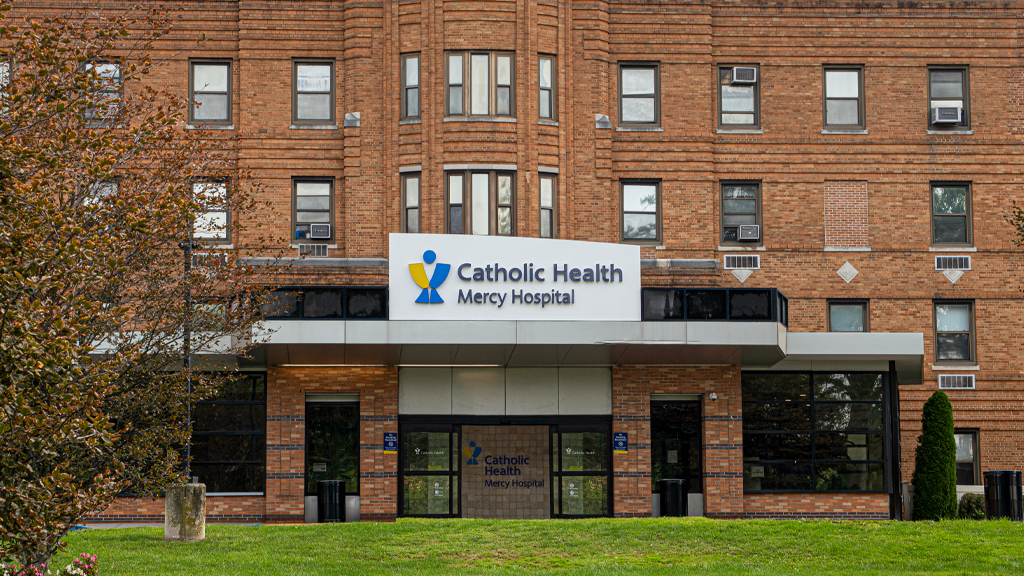
Mercy Hospital Exterior

Bishop McGann Women’s Imaging Center at Mercy Hospital

Rockville Centre, NY
Centereach

Catholic Health Ambulatory Care at Centereach

Centereach, NY
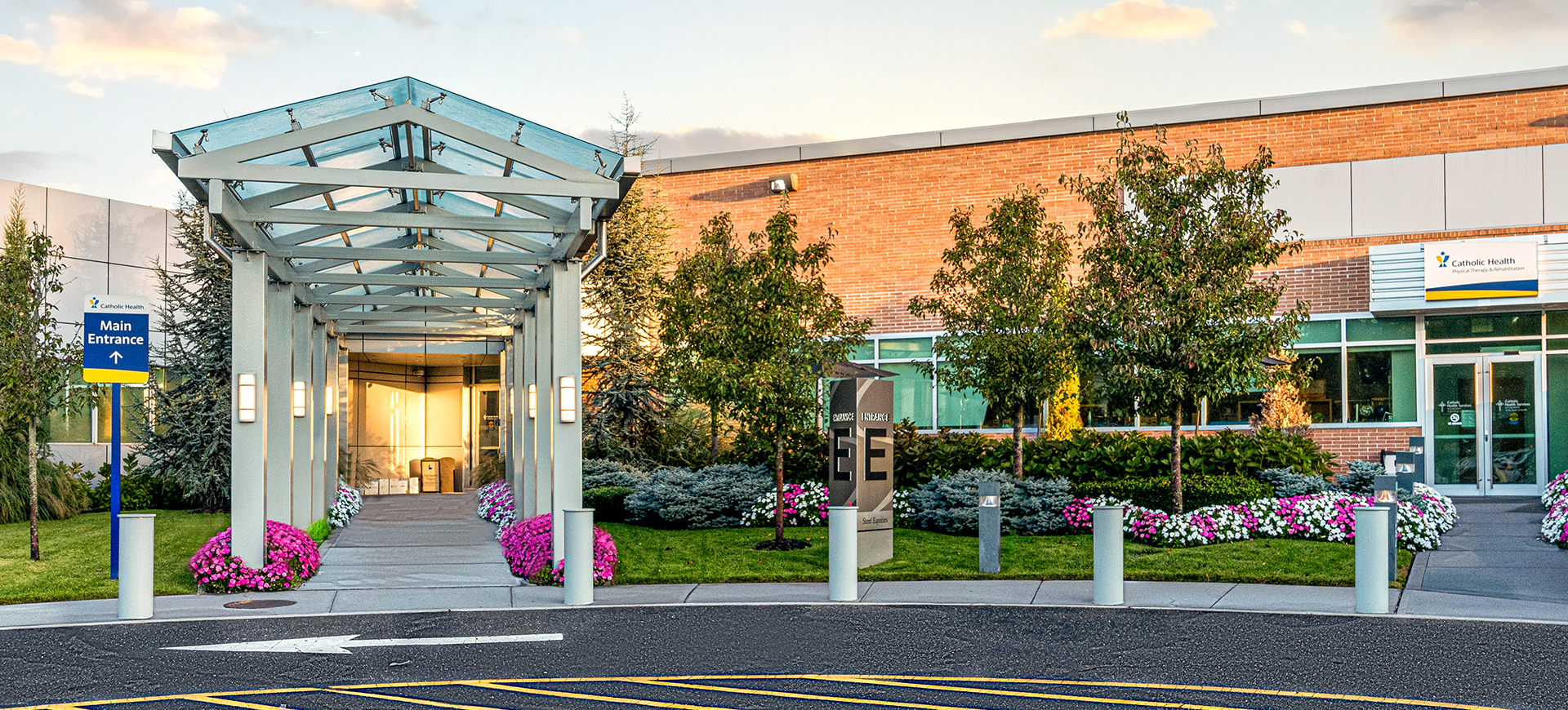
Catholic Health Ambulatory Care at Commack

Catholic Health Ambulatory Care at Commack

Commack, NY

Good Samaritan University Hospital

Good Samaritan University Hospital Imaging Services

West Islip, NY

Location

Good Samaritan University Hospital Women's Imaging Center

West Islip, NY
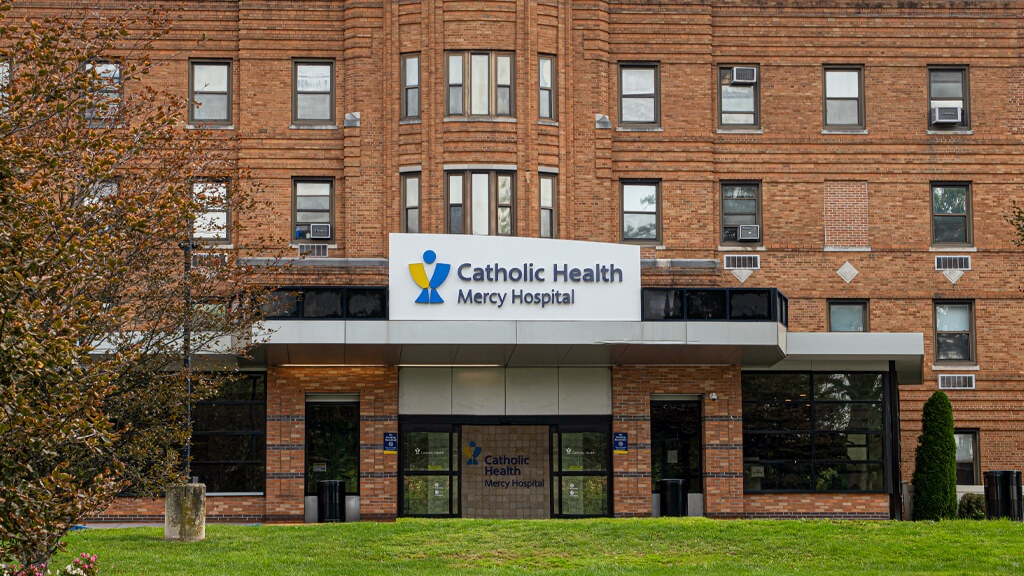
Mercy Hospital exterior

Mercy Hospital Radiology

Rockville Centre, NY
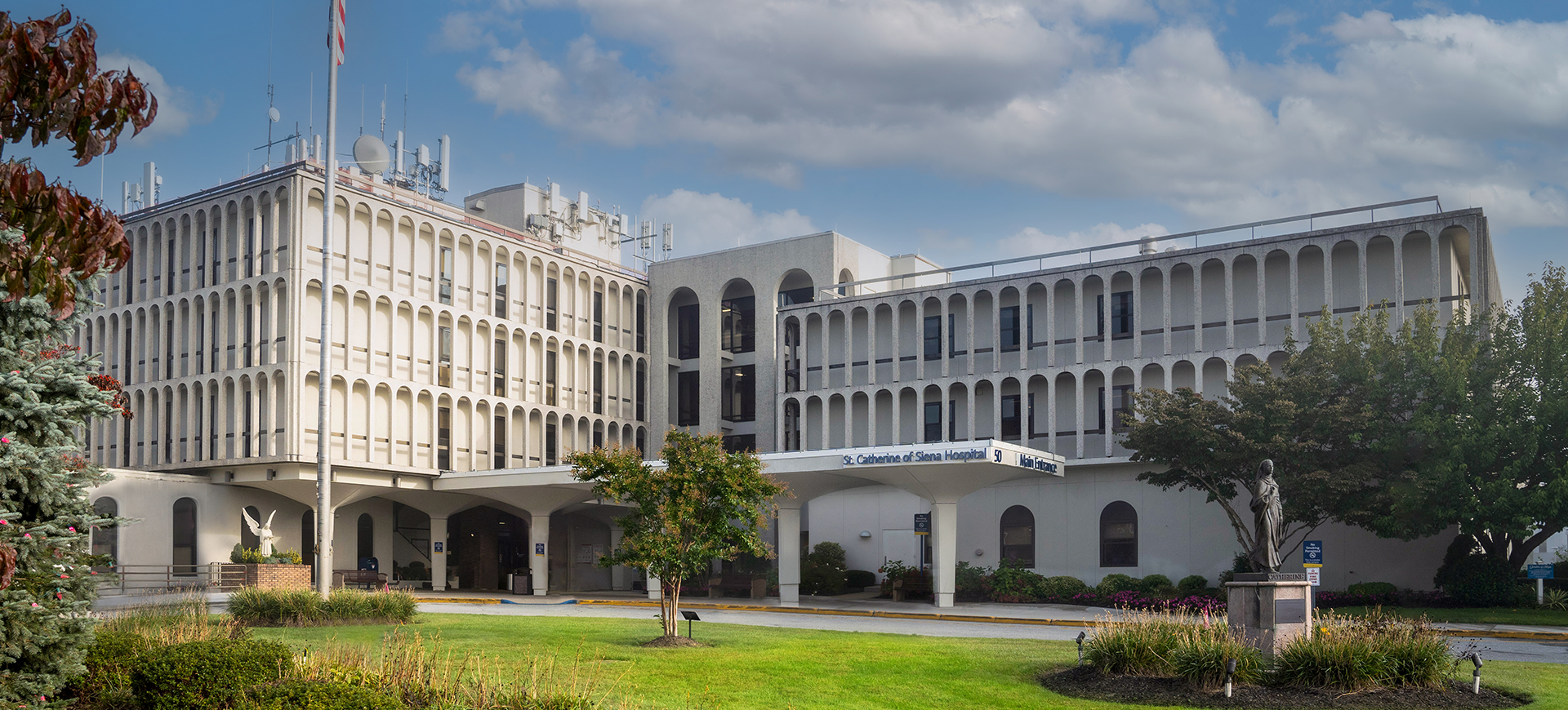
St. Catherine of Siena Hospital

Siena Women’s Health Outpatient Diagnostic Pavilion

Smithtown, NY
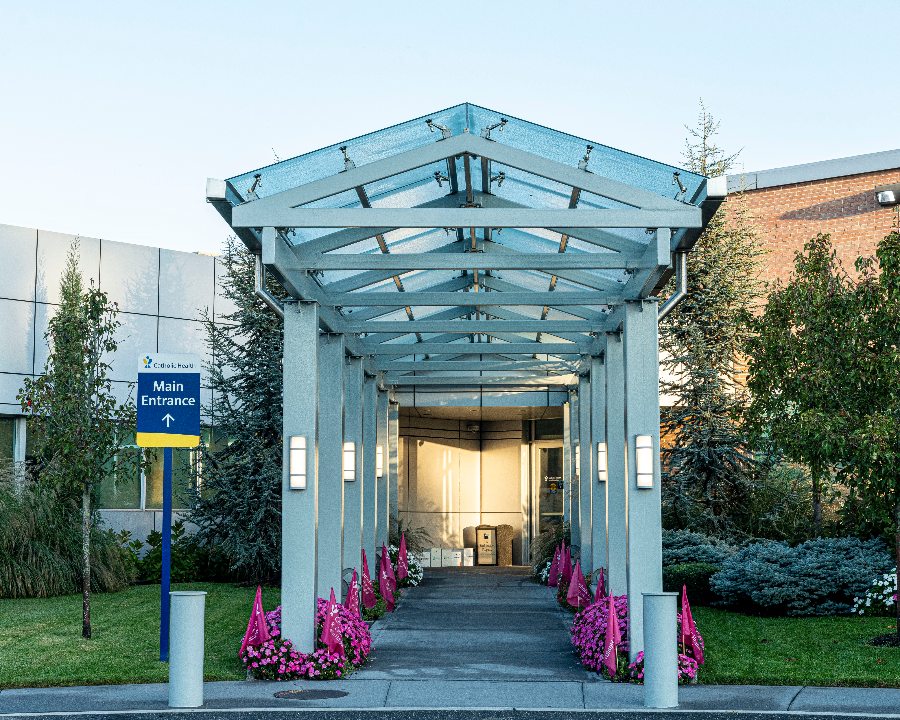
Ambulatory Care at Commack exterior

St. Catherine Diagnostic Imaging

Commack, NY

St Catherine of Siena Hospital

St. Catherine of Siena Hospital Radiology

Smithtown, NY
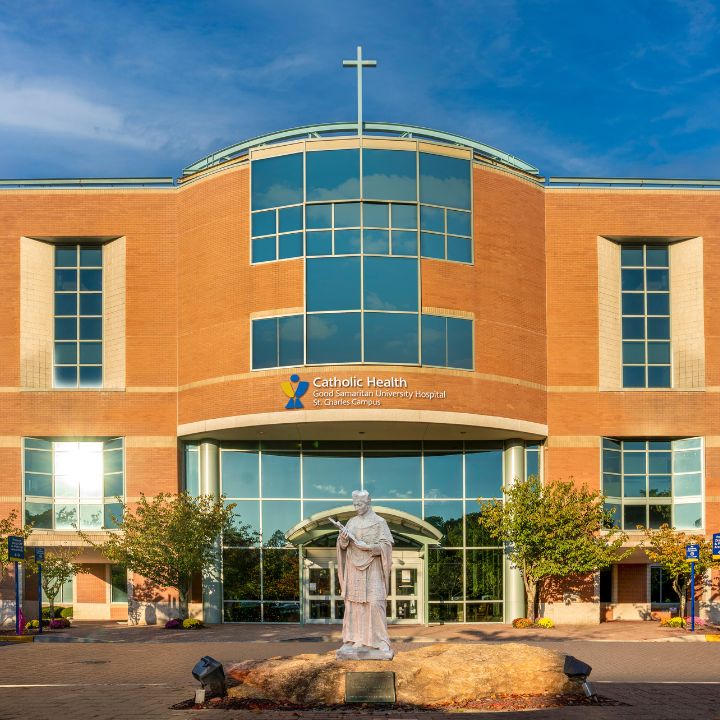
Good Samaritan University Hospital St. Charles Campus

St. Charles Radiology

Port Jefferson, NY
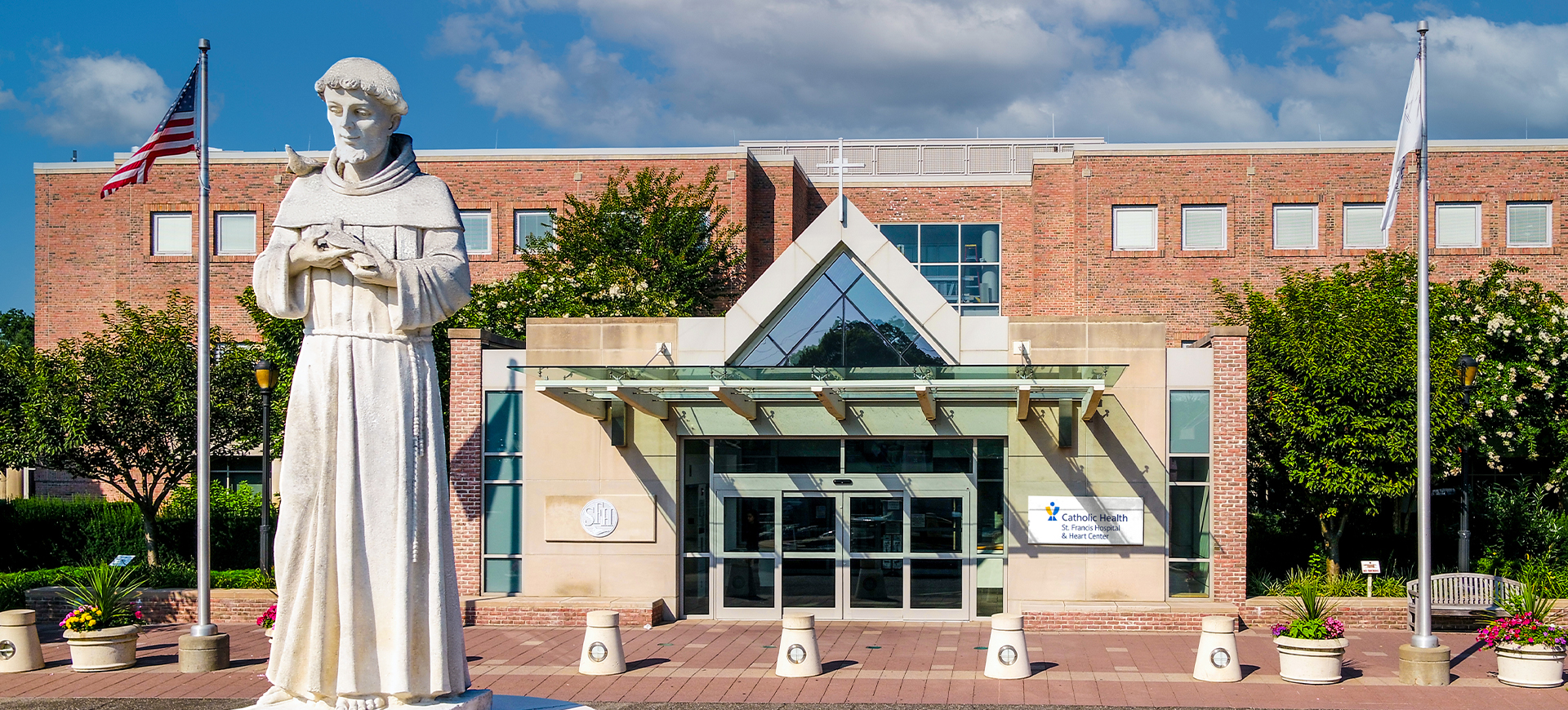
St. Francis Hospital & Heart Center

St. Francis Hospital & Heart Center Radiology

Roslyn, NY
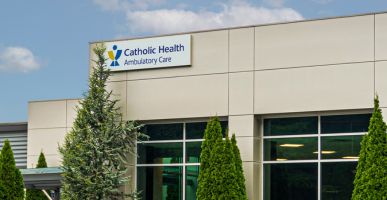
East Hills

St. Francis Diagnostic Imaging, Ambulatory Care at East Hills

East Hills, NY
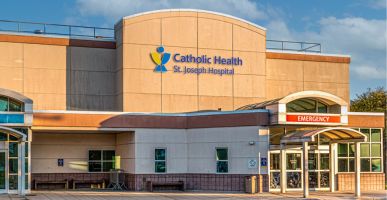
St Joseph Hospital

St. Joseph Hospital Radiology

Bethpage, NY

DeMatteis

The DeMatteis Center for Cardiac Research and Education

Greenvale, NY

DeMatteis Center

The Women’s Health Center at St. Francis Hospital & Heart Center

Greenvale, NY