Postpartum Depression Symptoms
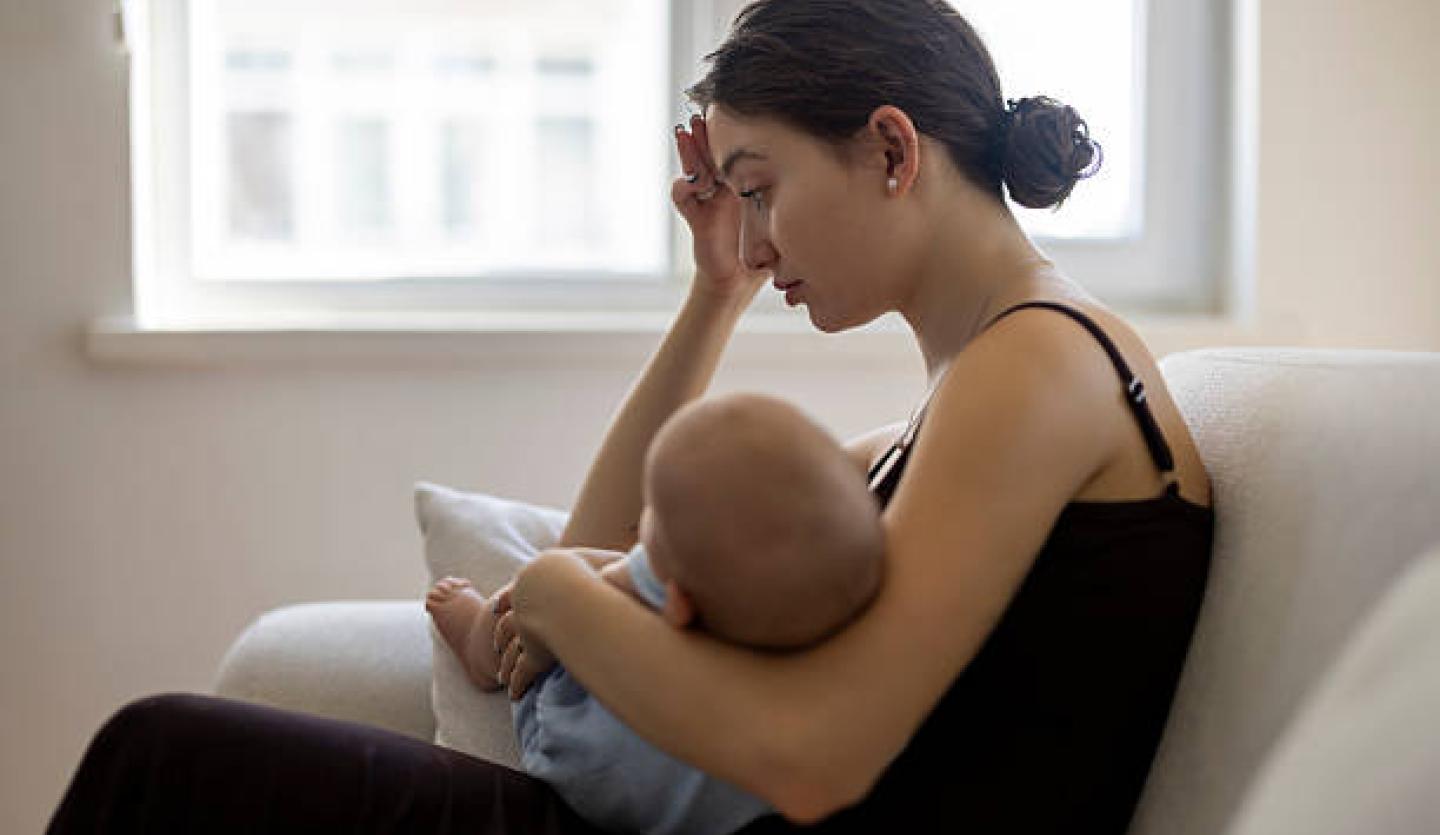
The signs of postpartum depression look different for everyone. Some symptoms are subtle, while others can feel overwhelming.
You may experience:
- Persistent sadness or frequent crying
- Changes in appetite or sleep (beyond typical newborn disruptions)
- Difficulty bonding with your baby
- Feelings of anxiety, overwhelm or worry
- Guilt, shame or self-doubt about parenting
- Loss of interest in activities you once enjoyed
- Low energy
- Trouble concentrating or making decisions
- Withdrawal from family and friends
In more severe cases, some women may have thoughts of harming themselves or their baby. If this happens, seek help right away. Call 911, contact your health care provider, or reach the 24/7 Suicide & Crisis Lifeline by calling or texting 988.
What Causes Postpartum Depression?
There is no single cause of postpartum depression. Instead, it results from a combination of physical, emotional and environmental changes. After childbirth, certain hormone levels, including estrogen and progesterone, drop rapidly. These shifts can affect brain chemistry and mood.
Other contributing factors may include:
- Changes in body, identity or routine
- Emotional adjustments to motherhood and new responsibilities
- Lack of sleep
- Physical exhaustion from labor, delivery and newborn care
- Stress related to feeding, healing or returning to work
Many new moms expect to feel joyful all the time. When reality turns out differently, it can lead to confusion or guilt, which may worsen symptoms.
Risk Factors for Postpartum Depression
Postpartum depression can affect any new mom, but some factors may increase your risk. These include:
- A personal or family history of depression or anxiety
- Previous postpartum depression
- Complications during pregnancy or delivery
- Difficulty with breastfeeding or infant care
- Having a baby with special health needs
- Limited support from family or friends
- Stressful life events, such as financial strain or relationship challenges
Experiencing one or more of these situations does not mean you will have postpartum depression, but it can help you and your care team stay aware of the early signs.
More than a Mood Change
“Postpartum depression changes more than just your mood,” said Dr. Sheridan-Kelchner. “It can impact nearly every part of your daily routine. You may feel too overwhelmed to complete simple tasks, like getting dressed, preparing meals or keeping up with household chores.”
Caring for your baby — feeding, soothing and responding to their needs — may be especially challenging. Some moms describe feeling disconnected, while others experience intense worry about their baby’s health and safety.
It may be difficult to admit you are depressed and struggling after your baby’s birth. These feelings do not define you as a parent and are common among new moms. If symptoms worsen or do not improve after two weeks, reach out to your primary care provider or obstetrician-gynecologist (OB/GYN). Asking for help is a strong first step toward healing.
Postpartum Depression Treatments
Postpartum depression is common, treatable and nothing to be ashamed of. Many women recover fully with the right care. Your provider will work with you to create a care plan that matches your needs and comfort level. It may include:
- Psychotherapy (counseling) — Talking with a mental health professional can help you process emotions, build coping strategies and set realistic goals.
- Medication — In some cases, your provider may recommend an antidepressant. Most are safe to take while breastfeeding.
- Support groups — These groups provide a space to connect with other moms experiencing similar feelings, build community and reduce isolation.
At home, you can make healthy changes that build on your treatment plan and support recovery. Try to:
- Ask loved ones to help with meals, chores or childcare when you need a break
- Be patient with yourself
- Eat regular, balanced meals
- Rest when you can, even if it is only a short nap
- Set realistic expectations and focus on what you can do right now
- Spend time outside, like a short walk with your baby
- Stay connected by talking with someone you trust about how you are feeling
- Stay hydrated
- Take a little time for yourself each day
Over time, you will start to feel better and enjoy more of the moments that matter with your baby.


 Find a Doctor
 Find a Location
 Programs & Services
 Appointments & Video Visits



 Edge
Edge Chrome
 Safari
 Firefox