

 Find a Doctor
 Find a Location
 Programs & Services
 Appointments & Video Visits
Comprehensive Care for Gastric Cancer
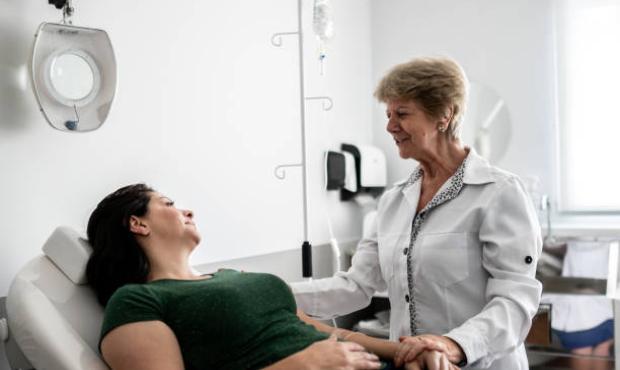
The Catholic Health Cancer teams offer advanced care for gastric cancer - from early detection screenings to diagnosis and the most advanced treatment options. Our compassionate cancer experts support you at every step, including follow-up and survivorship care.
Gastric (Stomach) Cancer
Gastric cancer, also known as stomach cancer, begins in the cells that line the stomach. These cells often begin as polyps or ulcers and may not cause symptoms in the early stages.
Causes of Stomach Cancer
While there is no specific cause of stomach cancer, the cancer develops when there is a genetic change in the DNA of the stomach cells. Some factors may increase the chances of developing stomach cancer, including:
- Family history of stomach cancer
- Gastroesophageal reflux disease (GERD)
- Gastritis
- Helicobacter pylori (H. pylori) infection
- Epstein-Barr virus
- History of stomach ulcers or stomach polyps
- A diet high in fat and salt and low in fruits and vegetables
- Obesity
- Smoking and excessive alcohol use
- Certain genetic conditions
- Autoimmune atrophic gastritis
Symptoms of Gastric Cancer
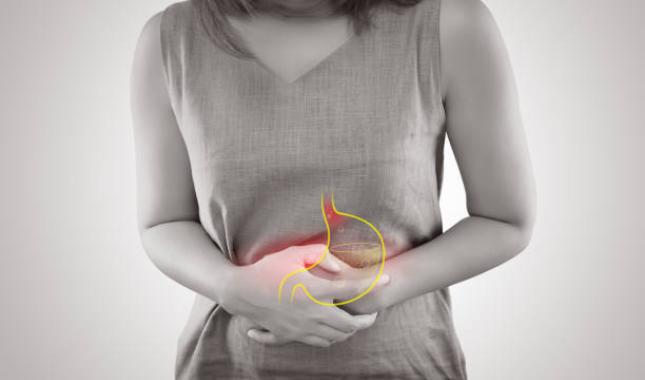
In the early stages, stomach cancer typically does not cause any symptoms. Often, symptoms don’t occur until the cancer is more advanced. Symptoms of stomach cancer include:
- Reduced appetite
- Trouble swallowing
- Nausea and vomiting (possibly vomiting blood)
- Unexplained weight loss
- Heartburn and indigestion
- Black stools
- Feeling bloated after eating
- Stomach pain above the belly button
- Feeling full even after eating a small amount of food
- Fatigue or weakness
Many of these symptoms are also common in other conditions, so speak with your physician to determine if your symptoms are a sign of stomach cancer or another disease.
How is Gastric Cancer Diagnosed?
Diagnosis includes a review of your medical history and review of your symptoms, as well as a physical exam to feel for a possible mass in the stomach. Imaging tests, including a CT scan, barium swallow, and MRI can help to identify tumors and abnormalities in the gastric region.
Additional diagnostic tests may also be performed, including:
- Upper Endoscopy
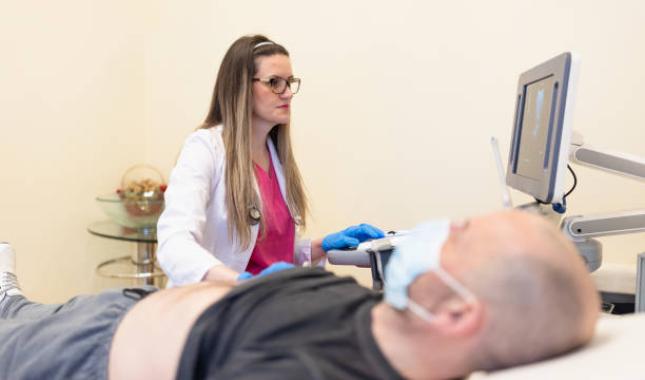
- Endoscopic Ultrasound
- Blood Tests
- Laparoscopy
- PET scan
Treatment for Gastric Cancer
If it is caught in the early stages, stomach cancer can often be successfully treated. Speak with your physician for an accurate assessment of your diagnosis and to decide on a treatment plan that will work best for you.
Treatment for stomach cancer depends on the stage of the cancer, if the cancer has spread, and your health and treatment preferences.
Depending on how much the cancer has spread, your physician may perform surgery to remove precancerous cells, a tumor, or part of the stomach. Surgical procedures may include:
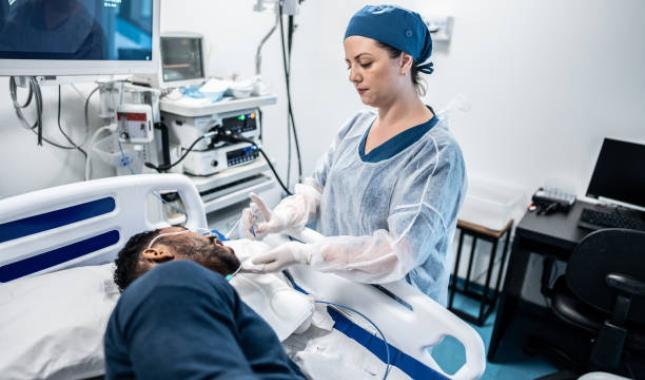
Upper Endoscopy – In the early stages, the cancer may be removed using this procedure
Gastrectomy – If the cancer has spread beyond the layers of the stomach, this procedure may be performed to remove all or parts of the stomach.
Additional treatments may include:
- Chemotherapy
- Radiation therapy
- Targeted drug therapy
- Immunotherapy
Catholic Health Cancer Institutes
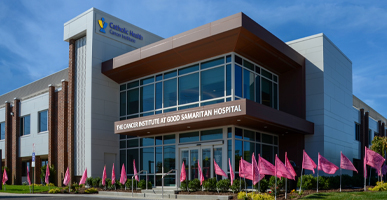
The Cancer Institute at Good Samaritan University Hospital
West Islip, NY
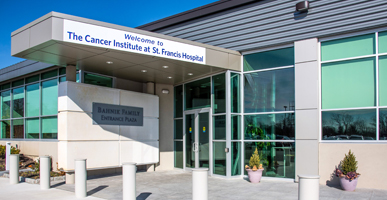
The Cancer Institute at St. Francis Hospital
East Hills, NY
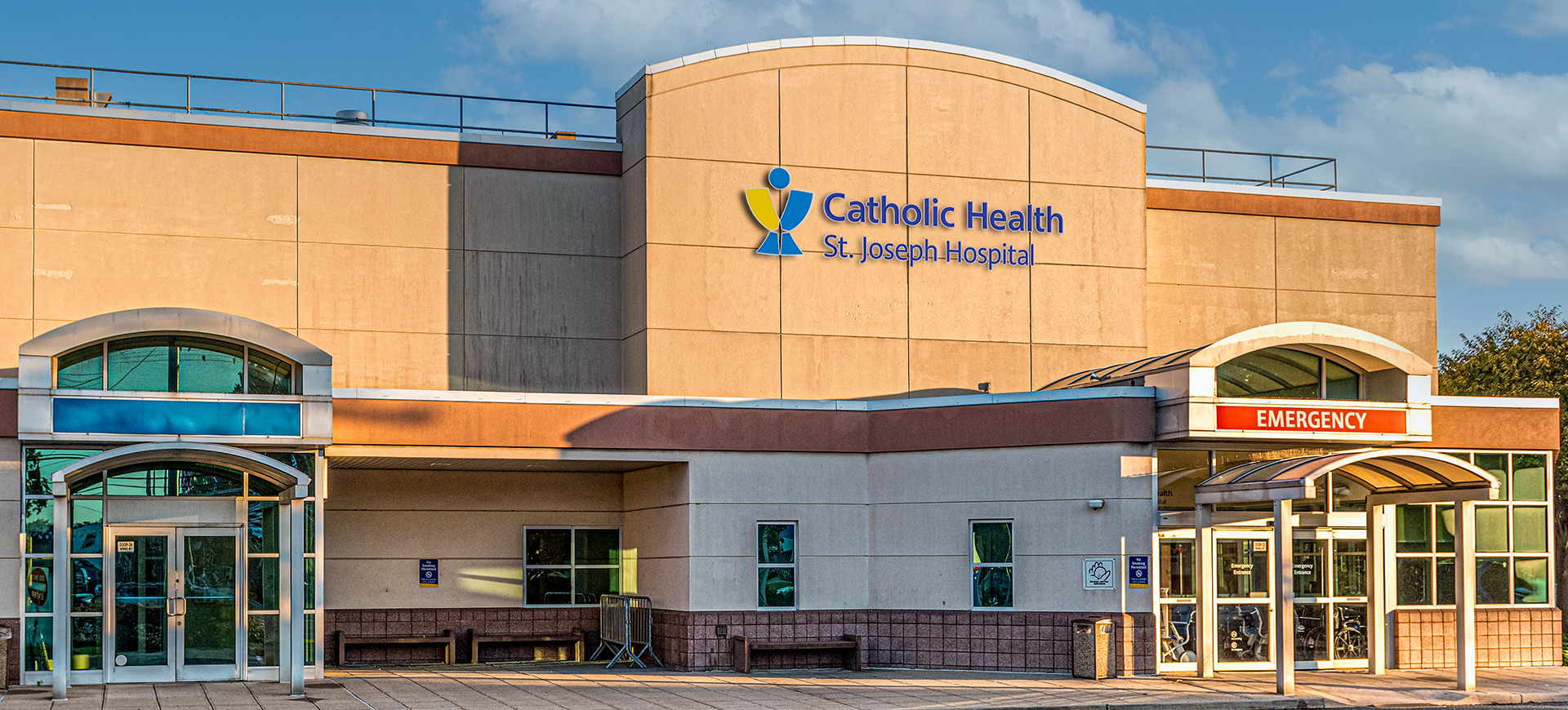
The Cancer Institute at St. Joseph Hospital
Bethpage, NY
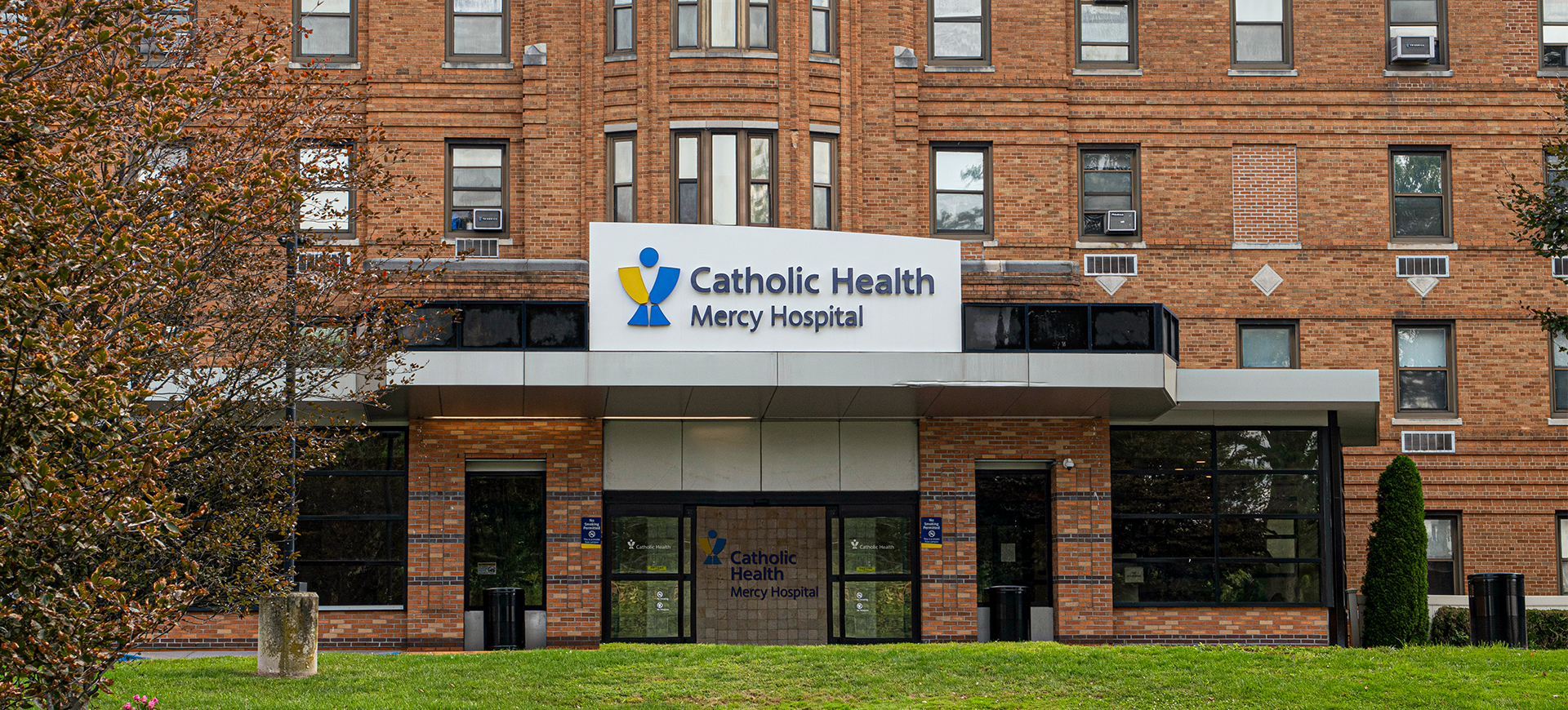
The Cancer Institute at Mercy Hospital
Rockville Centre, NY

 Edge
Edge Chrome
 Safari
 Firefox