
 Find a Doctor
 Find a Location
 Programs & Services
 Appointments & Video Visits

Comprehensive Care for Brain Tumors
The Catholic Health Cancer teams offer advanced care for brain tumors—from early detection screenings to diagnosis and the most advanced treatment options. Our compassionate cancer experts support you at every step, including follow-up and survivorship care.
What is a Brain Tumor?
A brain tumor is an abnormal growth or a cluster of abnormal cells within or around the brain. A brain tumor can be malignant (cancerous) or benign (noncancerous). Some tumors grow quickly, while others may grow at a slower pace.
Malignant tumors can grow into nearby tissue or other areas of the brain and may spread to other parts of the body.
Benign tumors can grow bigger and press on nearby areas, but they usually don’t grow directly into nearby tissues or spread to other parts of the body. Benign tumors in most parts of the body are typically not life-threatening.
In the brain, both benign and malignant tumors can cause serious problems. Whether they are cancerous or not, brain tumors can seriously impact brain function and overall health if they grow large enough to press on surrounding nerves, blood vessels and tissues. Care and monitoring by an experienced physician is important to quality of life when you have a brain tumor.
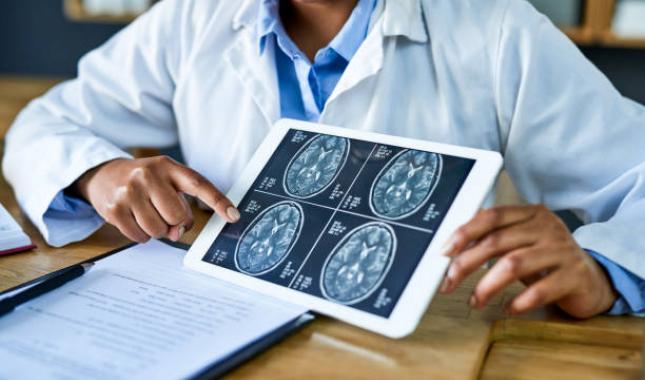
Brain tumors can be classified into two categories:
Primary and Secondary
- Primary Brain Tumors are tumors that originate within the brain tissue.
- Secondary Brain Tumors are tumors caused from cancer that originates in another part of the body and has spread to the brain.
There are numerous types of brain tumors, classified by the kind of cells that make up the tumor.
Brain Tumor Symptoms
In some cases, a brain tumor may not cause any symptoms, especially if it is very small and slow-growing. The signs and symptoms of a brain tumor can vary depending on the location, size and type of tumor. Symptoms can include:
- Headaches that may be more severe in the morning
- Seizures
- Difficulty thinking, speaking or understanding language
- Confusion and disorientation
- Speech problems
- Vision and/or hearing issues
- Personality or behavior changes
- Weakness or paralysis in one part or one side of the body
- Balance problems or dizziness
- Facial numbness or tingling
- Nausea or vomiting
If you are experiencing any of these symptoms, it is important to make an appointment with your health care provider.

Diagnosing a Brain Tumor
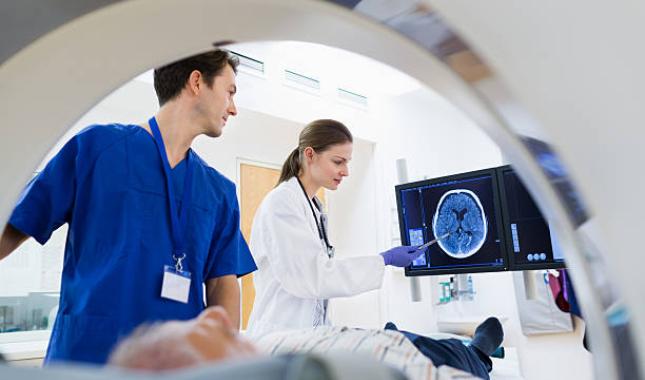
Diagnosing a brain tumor can be a comprehensive process. If a brain tumor is suspected, you will need several tests and procedures for an accurate diagnosis. Diagnosis will include a physical examination, a review of your symptoms, a review of your medical history and family health history.
A neurological exam is often performed as well. This includes checking for changes in your balance, coordination, vision, hearing, mental status and reflexes. These changes can help to identify the part of the brain that may be affected by a tumor. Additional diagnostic tests may include:
- Brain MRI
- CT scan
- PET scan of the brain
- Biopsy
- Spinal Tap or Lumbar Puncture
Management and Treatment for Brain Tumors
Treatment for a brain tumor depends on whether the tumor is cancerous as well as the type, size, grade and location of the brain tumor.
Treatment might not be necessary right away if the brain tumor is small, is not cancerous, and does not cause symptoms. In some cases, small, benign brain tumors may not grow or grow so slowly that they won't ever cause problems.
If treatment is necessary, specific approaches may include one or a combination of the following:
- Surgical Interventions
- Radiation therapy
- Chemotherapy
- Immunotherapy
- Targeted therapy
- Alternative or emerging treatments
Your physician will also consider your overall health and your preferences when deciding on a treatment plan.

Catholic Health Cancer Institutes
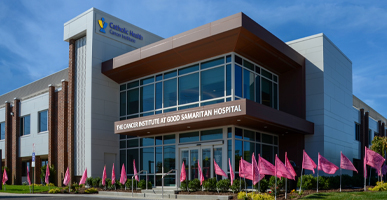
The Cancer Institute at Good Samaritan University Hospital
West Islip, NY
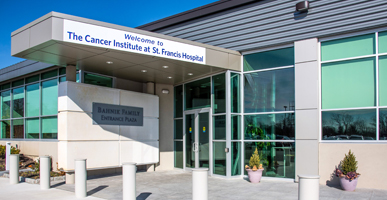
The Cancer Institute at St. Francis Hospital
East Hills, NY
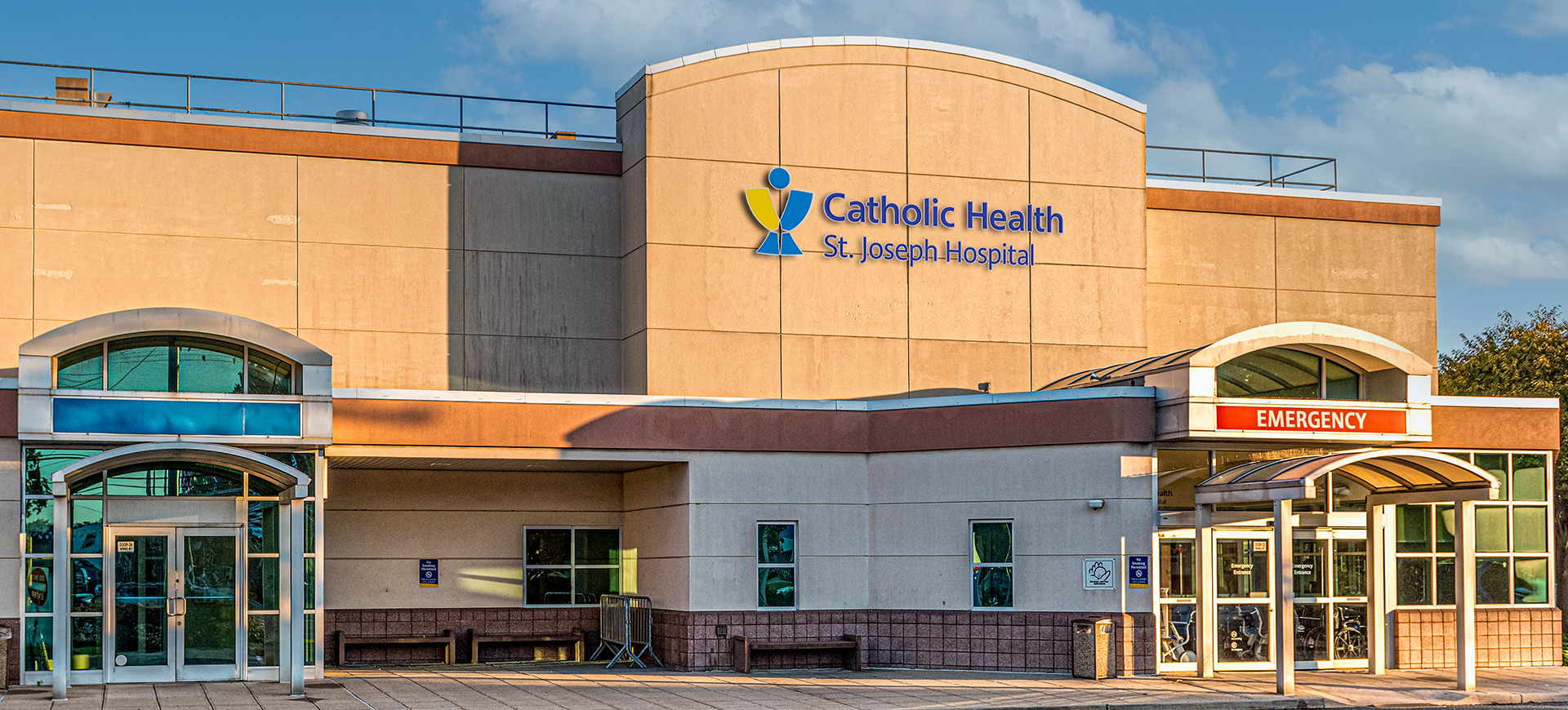
The Cancer Institute at St. Joseph Hospital
Bethpage, NY
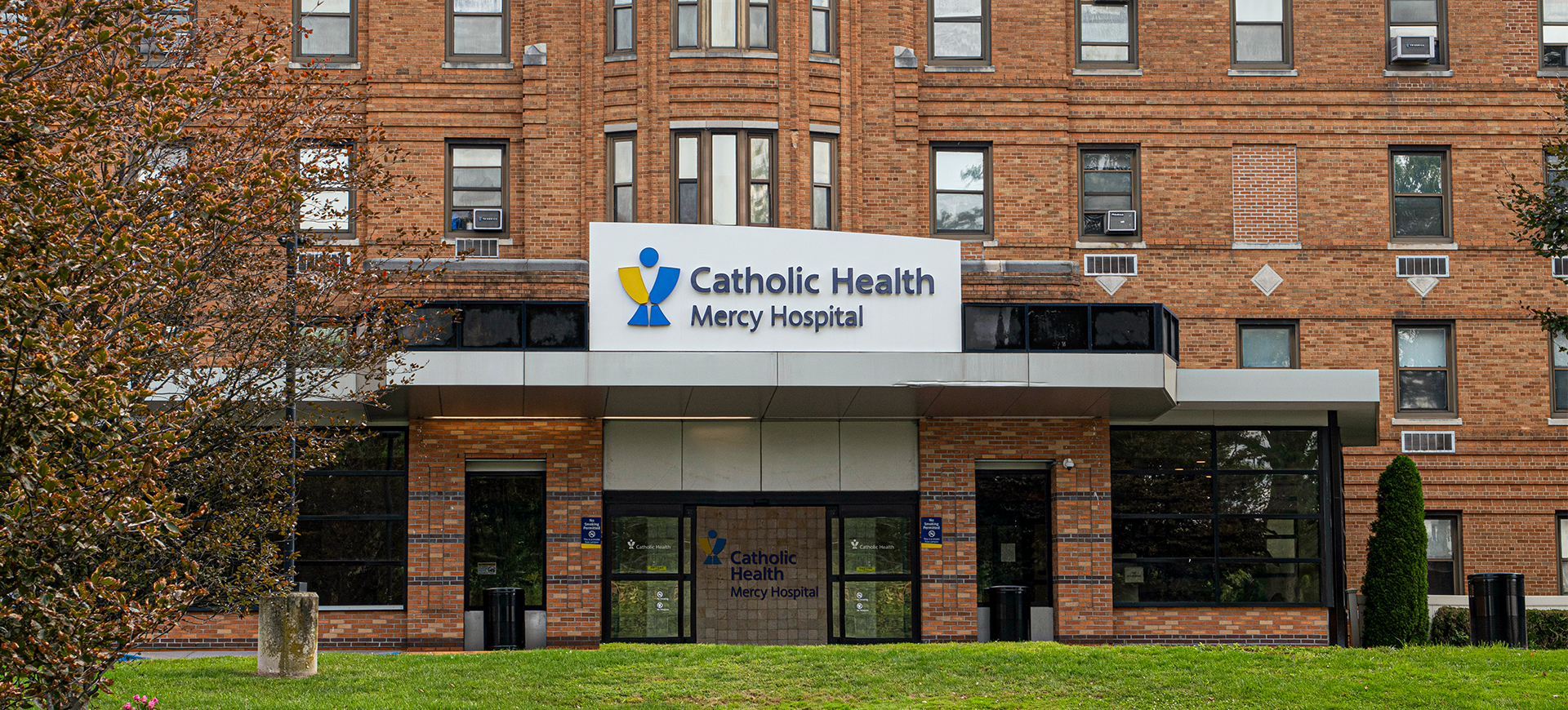
The Cancer Institute at Mercy Hospital
Rockville Centre, NY

 Edge
Edge Chrome
 Safari
 Firefox