

 Find a Doctor
 Find a Location
 Programs & Services
 Appointments & Video Visits

How Summer Routines Keep Kids Happy, Healthy, and Thriving
Summer is supposed to feel relaxed, and kids love those later bedtimes, unstructured days and nowhere to be. For a week or two, that is exactly what most families need. But somewhere around week three, things can begin to unravel. Kids get irritable. Sleep is impacted and the days feel scattered and long.
What might seem like a restless child is usually something simpler. Children do better with some structure, even in summer. A summer schedule for kids does not have to mean a strict, hour-by-hour plan. It just means giving the day enough organization so your child knows what to expect.
That predictability can make a difference in how they feel and how they behave.
Why Routine Matters for Children
Children’s brains are still developing, especially the parts responsible for managing emotions, making decisions and regulating behavior. Because of that, kids depend on external structure to do some of that work for them. Routine is not just about keeping a schedule. It is about reducing the uncertainty that drives anxiety and difficult behavior.
When children know what comes next, they feel safer. That sense of security makes it easier for them to play, learn and engage rather than spend energy managing the stress of not knowing. The importance of routine shows up not only in their mood and sleep but also in how smoothly they transition back to school in the fall.

“We see a real difference in children who come in toward the end of summer. The kids who had some structure to their days tend to be sleeping better, have fewer behavioral concerns and are generally in a better place heading into the school year.”
What Happens When Summer Has No Structure
A completely unstructured summer does not feel like freedom to most kids for very long. Without consistent wake times, meals and activities, things can get a little out of control. Screen time tends to fill the gaps. And that can make children agitated rather than rested and more bored than you would expect.
Studies show that children in grades 1 through 8 can lose a significant portion of the prior year’s learning during summer break, with math skills declining faster than reading skills. A summer routine that includes even light learning activities a few times a week protects that without turning summer into an extension of school.
How to Build a Summer Routine for Kids
A good schedule for kids in summer does not mean you need to have a strict timetable. What it means is a few consistent anchors that give the day predictability. It is a flexible structure that includes enough routine to keep things stable and enough room for spontaneity to keep it feeling like summer.
Try these tips:
- Anchor the Morning and Evening
Keeping a consistent wake-up time and bedtime is the single most important thing you can do for your child's summer routine. A simple wind-down routine at night, the same steps in the same order, helps your child’s brain recognize that sleep is coming.
- Build in Learning Without Making It Feel Like School
Work to build in thirty minutes of reading, a trip to the library, a puzzle or an educational game a few times a week. That will be enough to keep their minds engaged over the summer. Just make it part of the day rather than feeling like it is an obligation.
- Include Physical Activity Every Day
Incorporate daily movement to help with sleep and mood. Kids need to burn energy. You do not need to schedule it to the minute — free outdoor play, a bike ride or swimming counts.
- Plan for Downtime
Children need time to be bored, to invent things and to follow their own curiosity. You do not need to fill every hour, but try to make sure the day has enough downtime so they feel rested.
- Give Children a Role in the Schedule
Let your child feel ownership in the schedule. When you do, it will be easier for them to follow it. Offer them choices on which activity they would like to do first, or what snack to have after reading time. “When kids have some say in their routine, they are much more cooperative about following it,” said Dr. Silverman. “It does not take much. Even small choices make a child feel like the day belongs to them.”
Routine Is Different for Every Child
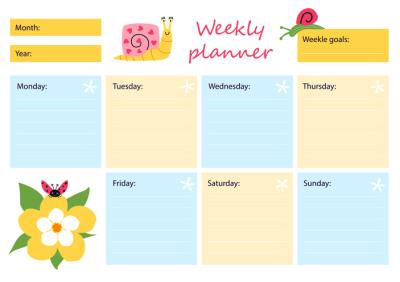
Some children adjust easily to a looser summer schedule. Others depend on more structure and may struggle without a routine. For these children, a simple chart with pictures and words showing the order of the day can help. Seeing what comes next reduces the uncertainty that drives anxiety.
Children who are old enough can help manage their own schedule with a checklist they mark off themselves. That builds independence and time management alongside routine. Whatever format you use, keep it visible and consistent.
Find Care at Catholic Health
If you have questions about your child’s behavior, sleep or development, or want guidance on building a routine that works for their specific needs, our pediatric physicians are here to help.
Find a Catholic Health doctor near you. Or call (866) 695-4362.


 Edge
Edge Chrome
 Safari
 Firefox