Airborne and Respiratory Spread
Germs become airborne through coughing, sneezing, and talking; even normal breathing can release infectious aerosols into the air. Germs tend to spread more inside and in areas with poor ventilation.
Although airborne transmission is one of the main ways that germs spread, they can also settle onto surfaces, where they may be transferred through contact—making both air and surface hygiene important to limit the spread.
Viruses that spread through airborne and surface transmission include:
- Common cold
- Influenza (flu)
- Chickenpox and shingles
- COVID-19
- RSV and other respiratory viruses
- Measles
Prevention and Safety Tips
The spread of these types of viruses can help be prevented by following these safety tips:
- Wash your hands frequently
- Stay home when you are sick and avoid contact with people who may be ill
- Cover your mouth with a tissue, or your elbow, when coughing or sneezing
- Clean surfaces frequently with a disinfecting cleaner
- Wipe down surfaces with antibacterial wipes (grocery carts, cell phones, gym equipment, ATM buttons)
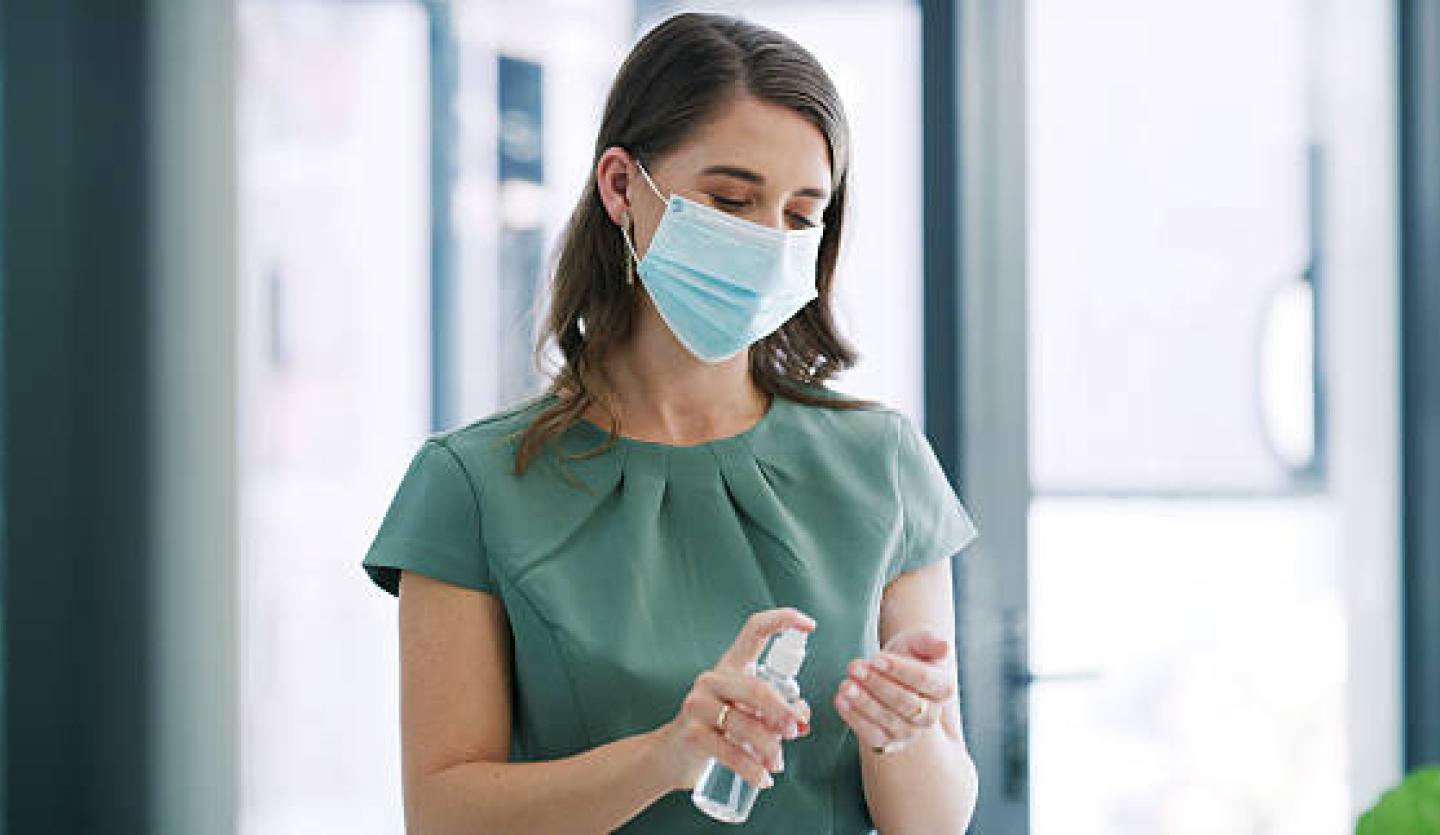
- Wear a mask - Masks reduce the spread of a virus to others and also protect wearers from breathing in infectious particles from people around them
- Avoid touching your eyes, nose or mouth (especially if you have not washed your hands)
- Get vaccinated for certain illnesses
Foodborne and Waterborne Illnesses
Food and water can carry germs that can make you sick. According to the Centers for Disease Control and Prevention (CDC) – one in six people in the U.S. experience food poisoning each year, and about one in 44 Americans get sick annually from waterborne illnesses.
Symptoms of these illnesses commonly include upset stomach, abdominal cramps, fever, diarrhea, and/or vomiting. While most people recover within a few days, some foodborne illnesses can cause serious complications, long-term health problems, or even death.
Common foodborne and waterborne illnesses include:
- coli
- Listeria
- Norovirus
- Salmonella
- Hepatitis A
- Staph Infection (Staphylococcus aureus)
Causes of Foodborne and Waterborne Illnesses
- Cross Contamination when cooking - Foods that may contain bacteria (like uncooked meat) should be kept separate from other foods.
- Improper Food Storage - Temperatures above 40 °F can allow harmful bacteria to grow on perishable foods.
- Undercooking Meat – Certain foodborne illnesses can be killed by heat, but meat that is not cooked until it reaches proper internal temperatures allows bacteria to survive.
- Poor Hygiene When Preparing Food – If the food preparer does not wash their hands before and during food preparation, they are more likely to contaminate it.
- Swimming, wading in, or swallowing water from contaminated pools, lakes, rivers, and other bodies of water.
Prevention Tips
You can help to lower your risk of getting sick or spreading illness to others by following these tips:
- Wash your hands with soap and water frequently
- Clean cooking surfaces with soap and water frequently
- Separate foods - Keep raw meat, poultry, fish, and eggs away from prepared and ready-to-eat foods
- Wash produce before consuming
- Cook foods to the proper temperature to kill germs
- Chill food in a refrigerator to keep bacteria from growing
- Refrigerate food promptly
- Drink and bathe in safe water: Avoid drinking from raw water sources and use treated, filtered water for drinking and swimming.
- Do not prepare food or drinks for others when you are sick
Illnesses Spread through Animal and Rodent Exposure
There are many diseases that can spread between animals and people. Commonly referred to as Zoonotic diseases, they are infectious diseases that are caused by harmful germs like viruses, bacteria, parasites, and fungi and can result in mild to serious illness and even death. They are commonly carried by bats, rodents, birds, and livestock, although even household pets like dogs and cats can carry certain infectious diseases.
People can get these diseases from animal bites, from touching an infected animal, coming in contact with its saliva, urine, feces, or contaminated items in its environment. The National Institute of Health (NIH) reports, “A dog or other animal bite could lead to local wound infection, tetanus, or rabies that could come from either the saliva of the biter, skin flora of victim, or the environment.”
These transmittable infections include viral and bacterial diseases:
Viral
- Rabies
- Hantavirus
- Bird Flu
- Ebola
- Monkey pox
Bacterial
- Salmonella
- coli
- Plague
- Tetanus
- Anthrax
- Leptospirosis
- Cat Scratch Disease
Symptoms of these diseases can vary and range in severity from mild to serious.
If you have flu-like symptoms after being exposed to rodent nests or droppings, it is important to seek medical help right away. You may need treatment in an intensive care unit (ICU).
Prevention Tips to Avoid Illnesses caused by Animals and Rodents
While not all cases can be prevented, rodent control in and around your house remains the best strategy for preventing an infection. This includes:
- Sealing holes and gaps in your home or garage to discourage rodent habitation
- Placing traps in and around the home to reduce rodent infestation
- Cleaning up any food around the house that may attract rodents
- Keeping outdoor garbage cans covered
- Do not go near rodent nests or droppings
Professional exterminators should be utilized to deal with a rodent infestation in your home. If you must clean up, wear gloves and masks when cleaning droppings.
Additional Tips Include:
- Do not get close to or attempt to pet a wild animal or an animal you don’t know
- Vaccinate all household pets for rabies and other illnesses
- Stay up-to-date on tetanus boosters
If you are bitten by a dog or other animal, you should seek medical attention immediately, even if the wound does not look serious. Learn more about what you should do if you get bitten by a dog.
Insect-Borne Viruses
Many viruses are spread through insect bites. Also called vector-borne diseases (VBDs), these illnesses are caused by parasites, viruses, and bacteria transmitted by vectors; primarily mosquitoes, ticks, and fleas.
Everyone is at risk of being bitten by mosquitoes and ticks and possibly getting sick from the germs they spread. The CDC reports that there are over 20 mosquito-borne and tick-borne diseases found in the United States. Some of these illness include:
- Mosquito-Borne: Dengue, West Nile Virus, Zika, Yellow Fever, Malaria
- Tick-Borne: Lyme Disease, Anaplasmosis, Alpha-gal syndrome, Babesiosis, Ehrlichiosis, Rocky Mountain Spotted Fever
While some cases can be mild, these diseases can be severe and have lasting consequences.
Prevention Tips for Insect-Borne Illnesses
Certain activities can put you more at risk for bug bites than others. These activities can increase your chances of getting bug bites and include hiking, camping, working outdoors and working with animals.
There are some steps that you can take to reduce your chances of getting bitten and possibly getting infected with a serious illness. These include:
- Use an EPA (Environmental Protection Agency) registered insect repellent
- Wear protective clothing including hats, long-sleeved shirts and long pants
- Avoid wooded areas with high grass and bushes
- Stay on trails when hiking
- Check hair and body for ticks after being outside
- Avoid going outside in the evenings when mosquitos tend to be more active
Who is the Most Vulnerable?
Anyone can catch an infectious disease. But you may be more likely to get sick or experience more serious complications if you
- Are over the age of 65
- Are pregnant
- Have a weakened immune system
- Have chronic condition like diabetes, cancer, HIV, or a cardiovascular condition
Infants and children under two years old are also more susceptible to serious illness.
When Should You See a Doctor?
While symptoms vary depending on the type of infection, there are symptoms that should not be ignored and you should seek medical assistance immediately, if you suspect you have an infection. These include:
- Persistent fever
- Difficulty breathing
- Severe dehydration
- Neurological symptoms including dizziness or blurred vision
- Persistent headache
- Persistent vomiting
- Loss of consciousness
- Symptoms worsening after several days
While many of these viruses and infections are rare, the best way to protect yourself is to understand how they spread and take the appropriate steps to keep yourself and others safe.
If you are experiencing symptoms or are concerned that you may have contracted a virus or infection, contact your primary care physician or visit a Catholic Health Urgent Care location for immediate medical attention.


 Find a Doctor
 Find a Location
 Programs & Services
 Appointments & Video Visits



 Edge
Edge Chrome
 Safari
 Firefox