
Skip navigation

Your gut is home to trillions of bacteria that influence everything from digestion to immunity. Two key players keep this ecosystem healthy: prebiotics and probiotics. We often mention them together — and they are easy to mix up — but they are not the same. Understanding the difference can help you make smarter choices for your gut health.

That raises some big questions. What exactly do they do? Why are they important? And do you really need both? We're here to clear things up with everything you need to know about prebiotics and probiotics.

What are Probiotics?

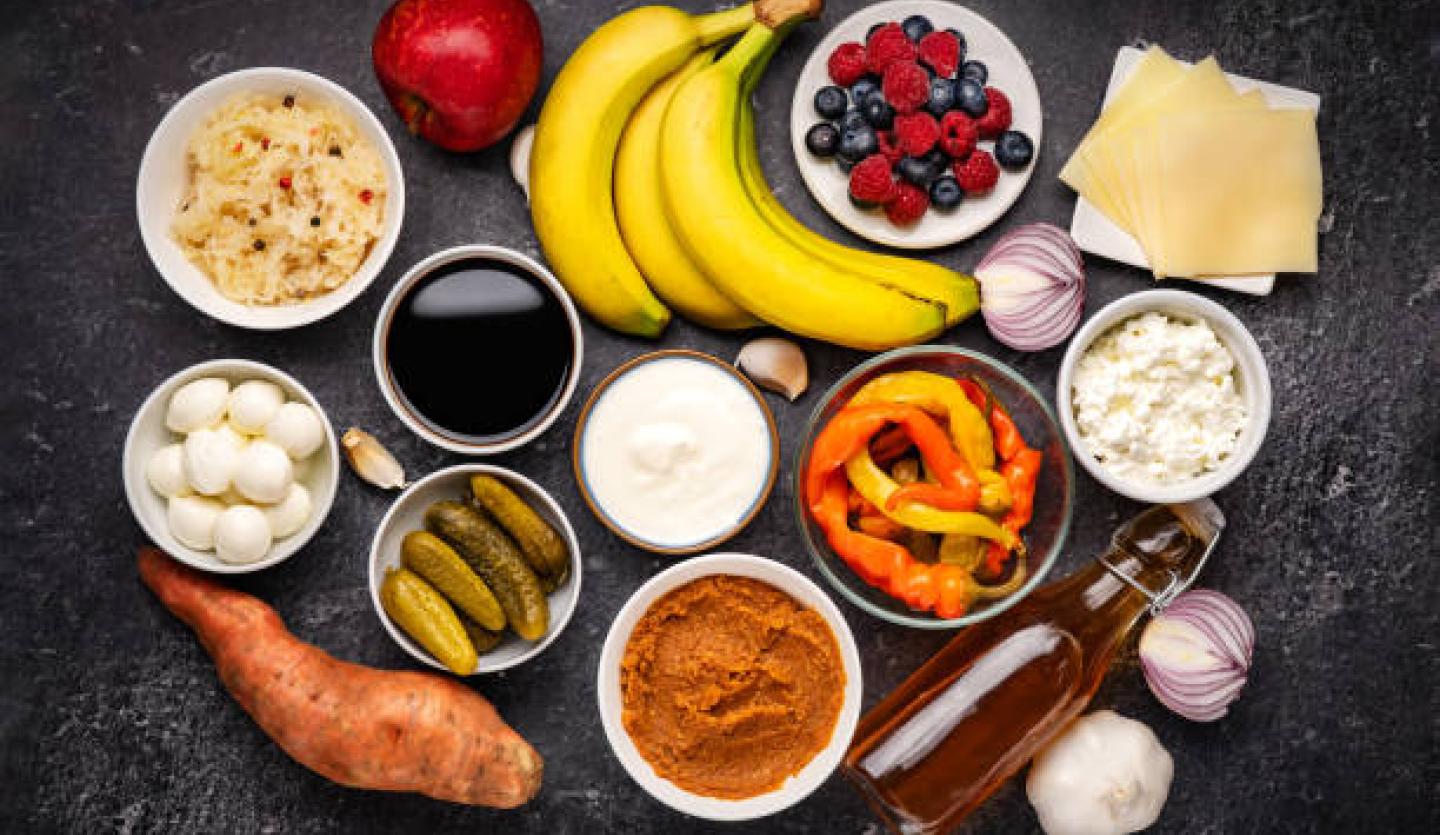
Probiotics are live microorganisms — called “good bacteria” — that keep your gut healthy by keeping harmful bacteria in check. They live naturally in your digestive system, but you can also get them from fermented foods and drinks, including:

  • Kimchi
  • Kombucha
  • Miso soup
  • Pickles
  • Sauerkraut
  • Yogurt (Almond milk yogurt for a dairy-free alternative)
  • Some cottage cheese (label should state: with live and active cultures)

Individuals with specific gastrointestinal issues may benefit from probiotic supplements, which are available in capsule, powder, or liquid form. However, not all products contain the same strains or amounts, and supplements are not always necessary. In many cases, eating healthy foods that contain probiotics is enough.

What are Prebiotics?

Prebiotics are not bacteria themselves, they are types of fiber that feed the good bacteria in your gut. Think of them as the fertilizer that helps probiotics grow and thrive.

Unlike most nutrients, your body does not digest prebiotics in the stomach or small intestine. Instead, they travel intact to the colon, where gut bacteria break them down through fermentation. This process produces short-chain fatty acids, which nourish the cells lining your intestines, regulate inflammation and support overall gut health.

Most people can get enough prebiotics from a fiber-rich diet that includes foods such as:

  • Artichokes
  • Asparagus
  • Bananas
  • Beans and lentils
  • Chick peas
  • Garlic
  • Leeks
  • Onions
  • Chia Seeds
  • Whole grains

Gluten-free options include chickpeas, beans and lentils in place of whole grains. Chicory root packs especially high amounts, which is why you may find it in many prebiotic supplements. Some people use supplements to boost their fiber intake or target gut health when their diet falls short. But they should not replace balanced meals.

Taking too much too quickly may cause gas, diarrhea, bloating or cramping. For example, adding too much fiber at one time can cause stomach discomfort. Always introduce new foods or added ingredients in small amounts and be sure to drink enough water and stay hydrated

Dr. Graham

“I always look to food as the first source. Prebiotic and probiotic supplements can help your gut, but they should never get in the way of healthy eating.”


The Benefits of a Balanced Microbiome

Prebiotics and probiotics work best as a team. A balance of both helps create a strong microbiome — the community of microorganisms in your gut that supports digestion, immunity and more.

When your microbiome stays healthy and diverse, it can:

  • Boost satiety, which can help with healthy weight management
  • Ease symptoms from digestive issues
  • Increase absorption of important nutrients, including calcium and magnesium
  • Influence the gut-brain connection, with possible benefits for mood and stress levels
  • Strengthen your immune system and reduce the risk of certain infections
  • Support blood sugar control and heart health

On the flip side, when harmful bacteria outnumber the good ones, your microbiome can slip out of balance. This disruption can increase your risk for gastrointestinal issues, including:

  • Bacterial infections such as Clostridioides difficile (C. diff), which can cause diarrhea and colitis
  • Constipation, irritable bowel syndrome (IBS) and other digestive discomforts
  • Inflammatory bowel disease (IBD), including Crohn’s disease and Ulcerative Colitis
  • Small intestinal bacterial overgrowth (SIBO)

While the evidence is promising, researchers are still uncovering just how much prebiotics and probiotics influence our health. However, we know that when your microbiome thrives, your whole body benefits.

Adding Prebiotics and Probiotics to Your Everyday Routine

Adding prebiotics and probiotics to your diet does not have to be complicated. In fact, small choices throughout the day or adding them to your meals can go a long way to supporting a healthy gut:

  • Start your morning with balance — Pair probiotic-rich yogurt with bananas or berries, along with a sprinkle of chia seeds.
  • Cook with flavor and function — Garlic, onions and leeks are everyday prebiotics that blend easily into soups, stir-fries and sauces.
  • Go whole-grain — Trade white bread or pasta for whole-grain versions or pasta made from lentils or chickpeas to sneak in more prebiotic fiber.
  • Swap your soda — A glass of kombucha adds probiotics in a tasty, refreshing way.

Pairing probiotic-rich foods with prebiotic fibers in the same meal creates a “synbiotic effect.” The good bacteria and their fuel work together to keep your gut strong. Over time, it can contribute to better digestion, stronger immunity and a healthier you. Try this healthy, balanced breakfast bowl for a “synbiotic” start to your day. 

Do You Need Supplements?

For many people, the best way to get prebiotics and probiotics is by eating a balanced diet. Fruits, vegetables, beans, whole grains and fermented foods give your gut the support it needs. Whole foods also offer extra nutrients — like antioxidants, vitamins and minerals — that supplements cannot fully replicate.

That said, supplements can sometimes play an important role. You may benefit from a prebiotic or probiotic supplement if you:

  • Follow a restrictive diet with limited variety
  • Recently took antibiotics, which can throw off the balance of your microbiome
  • Struggle with ongoing digestive symptoms or conditions

People who suffer from IBS, Crohn’s Disease, Ulcerative Colitis, or other gastrointestinal disorders, should consult with their physicians to determine if prebiotics and probiotics are safe for their condition.

Keep in mind that not all supplements are the same. The FDA does not regulate many supplement products, so their quality and effectiveness can vary depending on the brand and the bacterial strains used. When in doubt, talk with your physician before making changes. They can help you decide whether focusing on food, adding a supplement or testing is the right next step.

Find Care at Catholic Health

Find a Catholic Health doctor near you. Or call 866-MY-LI-DOC (866-695-4362).

browser error

Browser Error

Diagnosis: Our website no longer supports this web browser.

Treatment: Please use one of the following browsers for the best possible outcome.

  • edge web browser iconEdge
  • chrome web browser iconChrome
  • safari web browser iconSafari
  • firefox web browser iconFirefox