

 Find a Doctor
 Find a Location
 Programs & Services
 Appointments & Video Visits
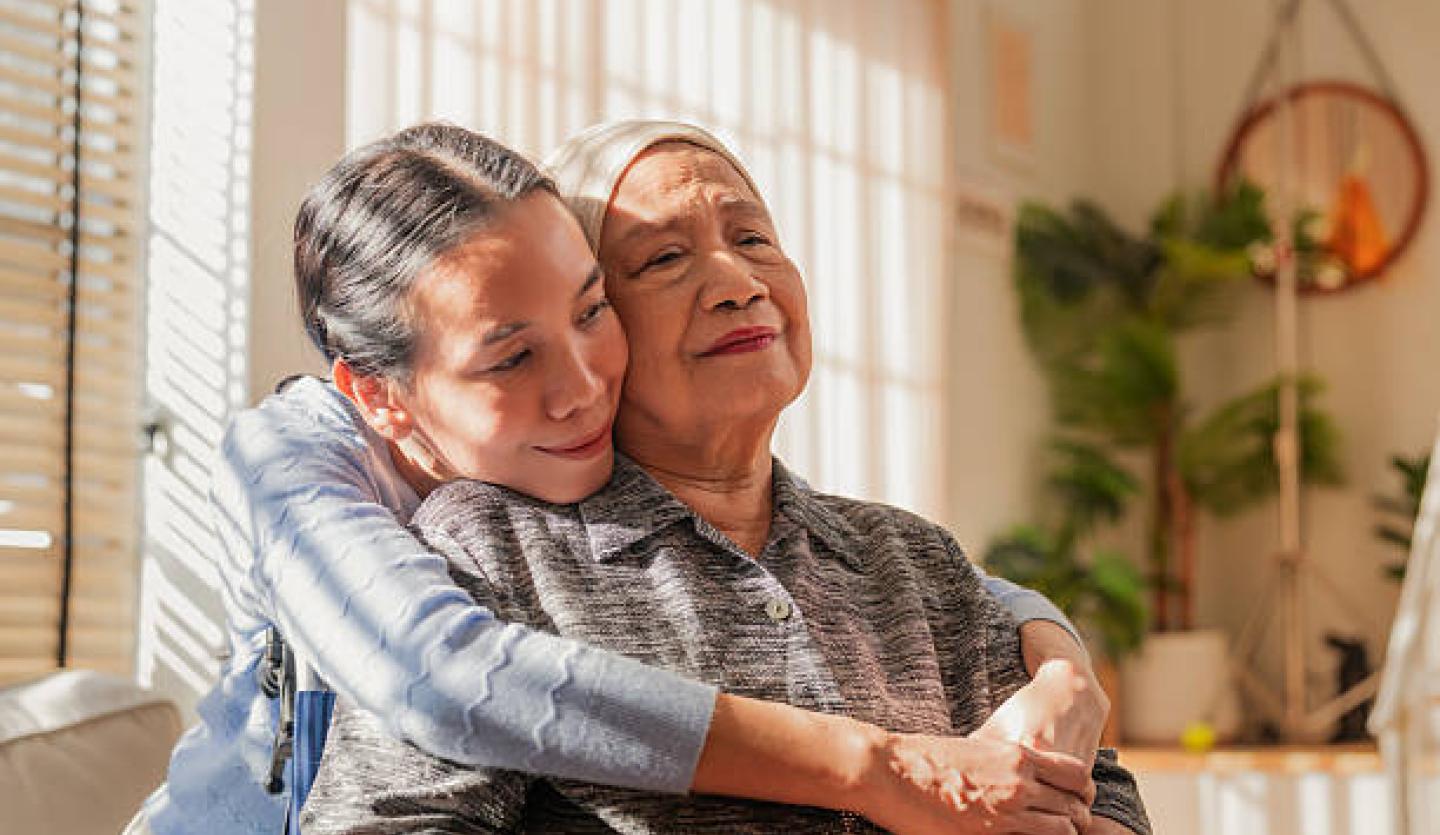
Caring for a loved one with a life-limiting illness can be a rewarding experience. However, it can also be extremely stressful for the caregiver, and can take an emotional and physical toll on even the most resilient people, leading to possible health problems and mental burnout. Learn how to prevent caregiver burnout from negatively affecting your life and your health.
What is Caregiver Burnout?
As a family caregiver, you may manage the medical needs and daily activities for a parent, spouse, sibling, child or other loved one. These people may have chronic illnesses, developmental disabilities or be unable to care for themselves due to age or impairment.
While rewarding, caregiving can also be emotionally, physically and mentally draining. In your effort to provide the best care possible, you may neglect your own well-being. Your social life may be limited and you may experience financial challenges.
When you are in the middle of caring for a loved one it is easy to push your feelings and personal needs aside to give your full attention to the person in your care.
It is normal to feel both positive and negative emotions and caregiving may cause you to feel anger, frustration, resentment, isolation and sadness. It’s common for caregivers to experience these emotions occasionally. But the constant strains of caregiving can cause some people to “burn out.”
Signs of Caregiver Burnout
Signs of caregiver burnout include:
- Physical and emotional exhaustion
- Feeling overwhelmed or anxious
- Loss of interest in activities you used to enjoy
- Neglecting your own needs and health
- Feeling helpless or hopeless
- Becoming irritable or easily agitated
- Sleeping too much or not enough
- Substance or alcohol abuse
- Spending excessive time on the internet
- Difficulty focusing, thinking or planning
- Weight and appetite fluctuations
- Withdrawal from friends and family
Impact of Caregiver Burnout
Caregiver burnout can negatively affect you and the person you care for. If caregiver burnout is not addressed, you may not be able to care for your loved one adequately.
Additionally, your own health will suffer. A study published in the Journals of Gerontology found that caregivers who felt they were under immense strain had poor health outcomes compared to those who didn’t.

Take care of yourself and ask for help if you need it. Caregivers need emotional, physical and spiritual support just like patients do.
Explore More
New events coming soon.

 Edge
Edge Chrome
 Safari
 Firefox