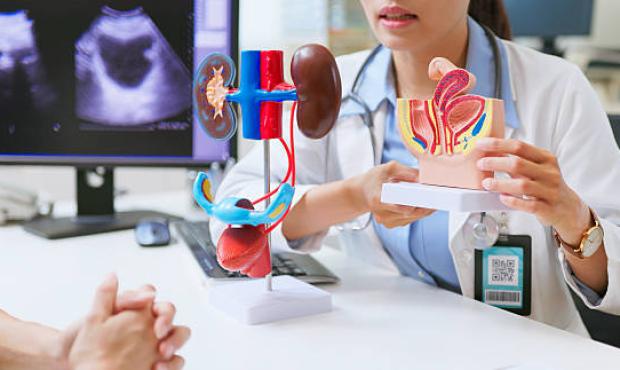

Taking Control of Your Bladder Health

Bladder symptoms can interfere with your daily routine, affect your sleep and leave you feeling frustrated and concerned. Whether you are dealing with frequent urination, bladder leaks, bladder pain or recurring infections, you deserve answers and bladder care from a team that takes your concerns seriously. At Catholic Health Urology, we work with you to understand your symptoms and create a treatment plan tailored to your needs.

Your bladder is part of the urinary system, which helps remove waste and extra fluid from your body. The bladder stores urine until you are ready to urinate. Bladder symptoms can happen when the bladder or nearby muscles and nerves aren’t working properly.

Conditions We Treat

Our urologists diagnose and treat a full range of bladder conditions using advanced technology and personalized care. From common urinary health concerns to more complex bladder disorders, we are here to help you find relief and improve your bladder health.

Bladder Conditions

Bladder stones are hard mineral deposits that form in the bladder. They form when urine becomes highly concentrated or the bladder doesn't empty completely, allowing minerals to collect and harden over time. Some bladder stones are small and pass on their own, while others may require bladder treatment.

Causes:

  • Enlarged prostate
  • Foreign objects in the bladder, such as a catheter
  • Kidney stones that pass into the bladder
  • Nerve damage from a stroke, spinal cord injury or other health problem
  • Urinary tract infections (UTIs)

Symptoms:

  • Blood in the urine
  • Cloudy urine or urine that is darker than usual
  • Frequent urination
  • Lower abdominal pain
  • Pain or burning during urination
  • Sudden urge to urinate followed by urine leakage (urgency incontinence)

A UTI occurs when bacteria enter the urinary system and cause an infection. While UTIs commonly affect the bladder, they can also involve other parts of the urinary tract. Women have a higher risk of getting UTIs than men.

UTIs are common and often respond well to treatment. However, recurrent infections may require further evaluation.

Causes:

  • Bacterial infection
  • Certain medical conditions, including diabetes
  • Incomplete bladder emptying
  • Kidney stones or bladder stones

Symptoms:

  • Pain or burning during urination
  • Discomfort or pressure in the center of the pelvis and around the pubic bone area
  • Frequent urge to urinate
  • Urgency incontinence
  • Urinating often and passing small amounts of urine
  • Urine that looks red, bright pink, cloudy or has a strong smell

If the infection spreads to the kidneys, the condition can be serious. Symptoms of a kidney infection include back or side pain, high fever, shaking, chills, nausea and vomiting. Contact your provider right away if you experience these symptoms.

OAB causes a sudden urge to urinate that can be difficult to control. The condition is common among older adults but is not a typical part of aging. Treatment often helps, so don’t hesitate to seek care.

Causes:

  • Bladder stones
  • Certain medications
  • Conditions affecting the central nervous system, such as stroke and multiple sclerosis
  • Constipation
  • Diabetes
  • Enlarged prostate
  • Hormonal changes that happen during menopause
  • Urinary tract infections
  • Weak pelvic floor muscles

Symptoms:

  • Frequent urination
  • Sudden, strong urge to urinate (urinary urgency)
  • Urine leakage or difficulty reaching the bathroom in time
  • Waking up more than twice a night to urinate

Urinary incontinence is the loss of bladder control. It can cause occasional leaks or more frequent symptoms that affect daily life. Urinary incontinence is common in older adults. Many people feel embarrassed discussing incontinence, but treatment can often improve or resolve symptoms.

Causes:

  • Changes in the bladder muscle that come with aging
  • Conditions affecting the central nervous system, such as stroke and multiple sclerosis
  • Constipation
  • Enlarged prostate or prostate cancer
  • Obstruction in your urinary tract, such as a tumor or urinary stone
  • Pregnancy, childbirth and menopause
  • Urinary tract infection
  • Weak pelvic floor muscles

Certain drinks, foods and medicines can cause temporary urinary incontinence. Examples include alcohol, caffeine, spicy foods, certain blood pressure medications and large doses of vitamin C.

Symptoms:

  • Leakage when coughing, laughing, exercising or lifting something heavy
  • Frequent or constant “dribbling” of urine
  • Sudden urge to urinate followed by urine leakage (urgency incontinence)
  • Difficulty reaching the bathroom in time

How We Diagnose Bladder Conditions

Bladder Diagnostics

Bladder symptoms can have many possible causes, including infection, muscle weakness, nerve problems or irritation within the urinary tract. We use advanced diagnostic tools to identify the cause of your symptoms and recommend the most appropriate treatment plan.

Your evaluation may begin with a physical exam and a discussion about your symptoms, medical history and bladder habits. Urine testing can help detect infection, blood in the urine or other signs of a bladder condition. Depending on your symptoms, your physician may also recommend imaging tests such as ultrasound, computed tomography (CT) scan or cystoscopy, which allow doctors to examine the inside of the bladder.

For conditions such as overactive bladder or urinary incontinence, bladder function testing may help measure how well the bladder stores and releases urine. 

Treatment Options for Bladder Conditions

Treatment for bladder conditions depends on the cause of your symptoms, the severity of the condition and your overall health. Catholic Health offers personalized treatment options ranging from lifestyle changes and medication to minimally invasive procedures and surgery.

For some bladder conditions, treatment may begin with behavioral changes such as dietary adjustments, scheduled bathroom visits or pelvic floor therapy to improve bladder control. Medications may help relax the bladder, reduce symptoms or treat infection.

When additional care is needed, your doctor may recommend a minimally invasive procedure to remove bladder stones, improve bladder function or address underlying conditions affecting the urinary tract. Surgical treatment options are also available for patients with more complex bladder conditions or symptoms that do not improve with conservative treatment


Bladder

Frequently Asked Questions

Repeatedly holding your urine for long periods can place extra stress on your bladder. It can increase the risk of urinary tract infections or bladder dysfunction over time.

That sensation can happen when the bladder is not emptying completely or when it becomes irritated or overactive. Conditions such as urinary tract infections, bladder stones or enlarged prostate can cause these symptoms.

Waking occasionally during the night to urinate can be normal, but frequent nighttime urination may be a sign of an underlying bladder or urinary condition. A urologist can help determine what may be causing your symptoms.

Yes. Caffeine, alcohol, carbonated beverages, spicy foods and artificial sweeteners may irritate the bladder in some people and worsen symptoms like urinary urgency or frequent urination.

Simple habits such as staying hydrated, avoiding smoking, maintaining a healthy weight and not ignoring urinary symptoms can help support bladder health. Regular medical care is also important for identifying concerns early. If you have concerns about your bladder health, talk with your primary care provider.