
 Find a Doctor
 Find a Location
 Programs & Services
 Appointments & Video Visits
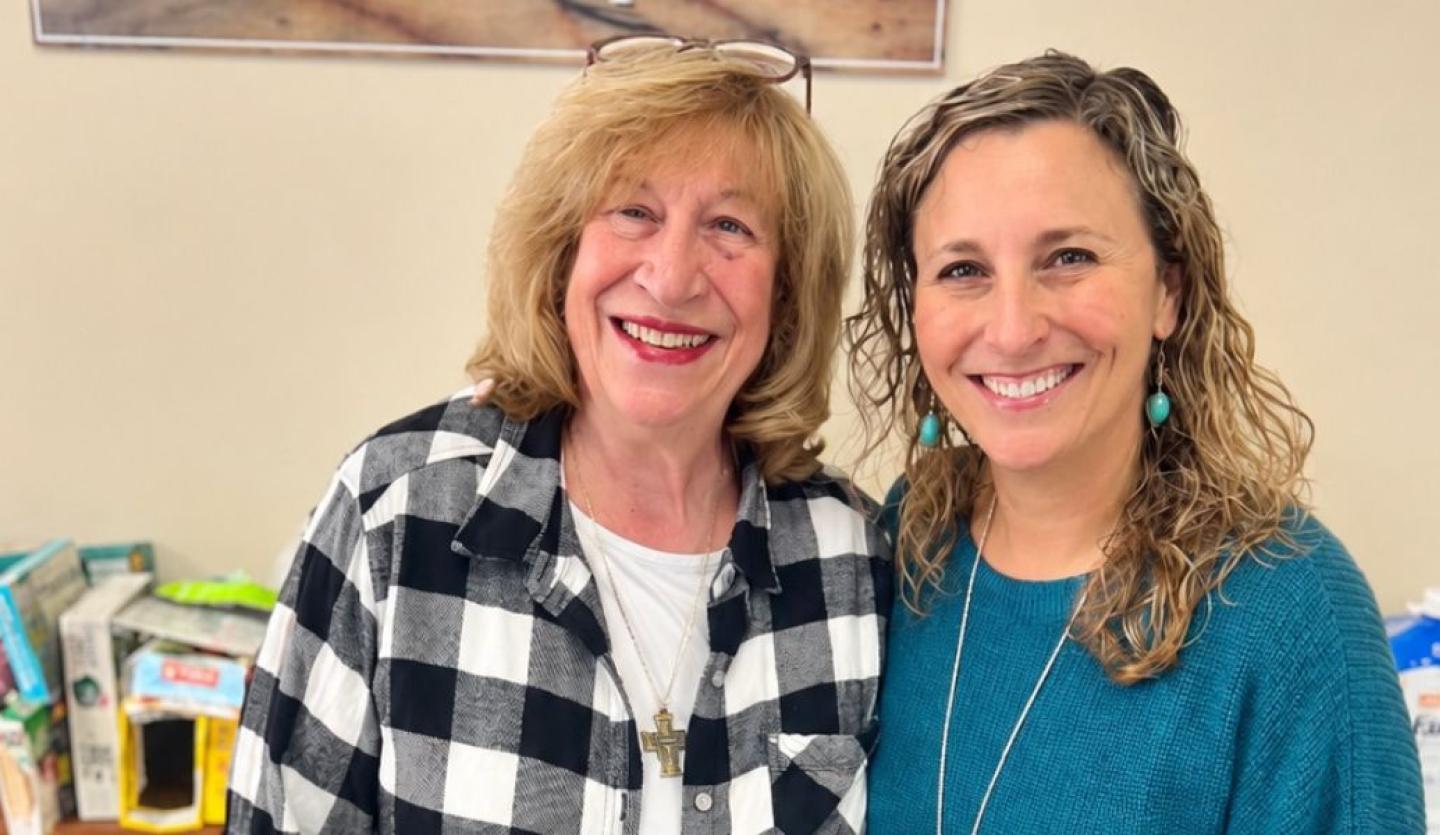
For more than two decades, Bethpage resident Donna Reardon worked to keep her blood sugar under control through diet and exercise. A mother, grandmother and longtime member of the community, Reardon was first diagnosed with prediabetes in 2000 and believed that making healthy choices would be enough to manage her condition. But as the years passed, her blood sugar levels continued to rise, and so did her fears.
"I knew that if I ate the right way and exercised, I could manage it," Reardon recalled. "But the older I got, the harder it became. And the truth was, I didn't really know what I was doing from an expert standpoint."
Eventually, her A1C, a blood test that measures average blood sugar levels over approximately three months, reached 7% on consecutive tests. Earlier this year, when it climbed to 7.2%, her physician recommended medication. Reardon was frightened. She knew her numbers were moving in the wrong direction, but she wasn't ready to give up on managing her condition through lifestyle changes.
Then she learned about the Diabetes Education Program at Catholic Health's St. Joseph Hospital in Bethpage.
Having already enrolled in the program, Reardon asked her physician for three months to see whether professional education and guidance could help her improve her blood sugar levels before beginning medication. What happened next changed far more than her numbers.
Through St. Joseph Hospital's Diabetes Education Program, Reardon began working with Alysa Ferguson, a diabetes education professional who helped her understand the relationship between food, carbohydrates and blood sugar. For the first time, Reardon learned how to read nutrition labels, recognize hidden sources of carbohydrates, plan balanced meals and snacks, and make informed choices without feeling deprived. Within weeks, she began noticing a difference.
"After three weeks, I thought my monitor was broken because my blood sugar readings were so much better," Reardon recalled.
With Ferguson's guidance, Reardon also used a temporary glucose monitoring device that provided additional insight into how her body responded to different foods. At a subsequent blood test, her A1C had dropped from 7.2% to 6.7%. But for Reardon, the most meaningful change wasn't reflected in a laboratory result. It was the confidence she gained.
"The classes changed my life," she said. "I learned how to read labels, how many carbohydrates I can have at meals and snacks, and how important it is not to skip meals. It's all about balance."
Today, Reardon says she has lost weight without following a restrictive diet. Instead, she has embraced a healthier, more sustainable approach to eating.
"I'm not on a diet. I'm just eating properly," she said. "I don't feel deprived. I actually enjoy my food. It's opened up a brand-new world for me."
More Than a Class, a Community of Support
At St. Joseph Hospital, the Diabetes Education Program is led by a team of registered dietitians and certified diabetes care and education specialists who help patients navigate the everyday challenges of living with diabetes. The program goes beyond teaching patients what to eat. It provides education, resources, practical strategies and ongoing encouragement to help individuals make meaningful, sustainable changes.
"We specialize in diabetes, but we also understand that managing the condition involves so much more than blood sugar numbers," Ferguson explained. "We want patients to have access to education, resources, peer support and the tools they need throughout their journey."
According to Ferguson, Reardon quickly became an inspiring presence in the classroom.
"Donna was incredible to have in class," Ferguson said. "She was outspoken, engaged and would come back each week sharing what she had learned and the results she was seeing. Her enthusiasm encouraged everyone around her."
Ferguson emphasizes that diabetes education is not about perfection or judgment. It is about meeting people where they are and helping them find strategies that work for their individual needs.
"We're all human, and this is a judgment-free zone," she said. "Even though Donna is doing incredibly well, we want her to know we're always here for her. Diabetes management is a journey, and no one should feel they have to navigate it alone."
Observed each November, Diabetes Awareness Month serves as an opportunity to raise awareness about diabetes, encourage prevention and early detection, and connect individuals and families with resources to manage the condition. At St. Joseph Hospital, Ferguson hopes Reardon’s experience will encourage others to recognize that they don't have to face diabetes alone.
"Diabetes is something so many people live with, but that doesn't mean you have to figure everything out by yourself," Ferguson said. "With the right education and support, you can problem-solve, set achievable goals and continue living a healthy, fulfilling life."
Ferguson encourages anyone living with diabetes or struggling to manage their blood sugar to connect with a diabetes education team. According to the program, diabetes education services are covered by many insurance plans, and St. Joseph Hospital also offers a free monthly diabetes support group to provide continued education and encouragement.
For Reardon, the experience has given her something she didn't realize she was missing: peace of mind. After more than 20 years of uncertainty, she no longer sees food as something to fear or diabetes management as something she must face alone. Instead, she sees possibilities.
For more information about the Diabetes Education Center, visit https://www.catholichealthli.org/locations/diabetes-education-center-st-joseph-hospital.

 Edge
 Chrome
 Safari
 Firefox