

 Find a Doctor
 Find a Location
 Programs & Services
 Appointments & Video Visits

Advanced Cardiac Electrophysiology Care
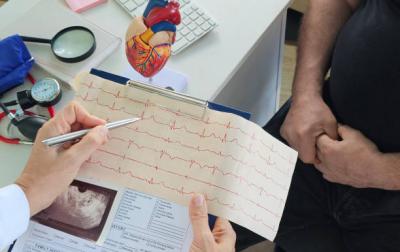
Electrophysiology is a cardiovascular specialty that focuses on the electrical activity of the heart. This includes the diagnosis and treatment of heart arrhythmia disorders, including atrial fibrillation, bradycardia, and ventricular tachycardia.
When the heart beats irregularly, the normal circulation of the blood can become irregular and cause a wide range of problems, from dizziness and fatigue to more serious complications like stroke and even sudden cardiac arrest.
Our experienced St. Francis Heart Center-trained cardiologists use specialized equipment to perform diagnostic tests that measure the heart's electrical activity, recommend the best course of treatment, and perform minimally invasive procedures, including cardiac ablations and pacemaker and defibrillator implantations.
Conditions We Treat
Our team of skilled electrophysiologists has advanced training and experience to treat various heart arrhythmia disorders. Arrhythmias can be caused by problems with the heart’s natural electrical system, structural problems in the heart or blood vessels, heart disease, or induced by medications or exposure to certain chemicals and drugs.

Arrhythmia
- Tachycardia – A heart rate that is faster than normal. Atrial fibrillation (AFib) is the most common type of tachycardia.
- Bradycardia – A heart rate that is slower than normal.
Atrial fibrillation
Atrial fibrillation (AFib) produces an irregular and often fast heartbeat that causes poor blood flow. It can occur in brief episodes or be a permanent condition. Symptoms of AFib may include:
- Chest pain
- Extreme fatigue
- Heart palpitations (rapid, fluttering or pounding)
- Irregular heartbeat
- Lightheadedness
- Shortness of breath
Because AFib weakens the heart muscle and increases the chance for stroke or congestive heart failure, it is important to see a cardiologist if you experience any of these symptoms.
Diagnostic Testing
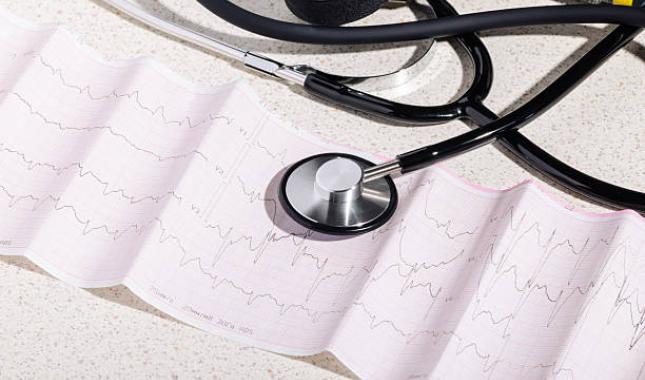
An electrophysiology (EP) study is a diagnostic test that provides information to help diagnose and locate the source of an arrhythmia.
Electrophysiology (EP) Study
During an EP study, the electrophysiologist guides thin catheters to the heart through small incisions. The catheters deliver and record electrical signals and measure the electrical activity in certain locations of the heart muscle.
Using information from the EP study, cardiologists can determine the location of the irregularity and recommend the best course of treatment. EP studies may be used to determine:
- The location of an arrhythmia
- If certain medications may work or are currently working to treat your arrhythmia
- Whether to treat the problem with an ablation procedure
- If a pacemaker or implantable cardioverter defibrillator (ICD) might help
- If you are at risk for serious heart problems or sudden cardiac arrest
Meet the Team

Joseph H. Levine, MD
Service Line Chief, Electrophysiology at Catholic Health; Chief, Division of Electrophysiology at St. Francis Hospital

David Hoch, MD
Associate Director, Cardiac Electrophysiology at St. Francis Hospital

Vinod Jayam, MD
Associate Director, Cardiac Electrophysiology at St. Francis Hospital

Armen Ovsepian, MD
Director, Electrophysiology Services at Good Samaritan University Hospital; Chief, Electrophysiology at St. Catherine of Siena Hospital
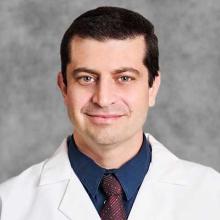
Aviram Hochstadt, MD
Director, Electrophysiology at Mercy Hospital

Abram Mozes, MD
Director, Electrophysiology at GSUH St. Charles Campus

Joseph J. Germano, DO
Suffolk Regional Director, Electrophysiology at Catholic Health
Electrophysiology Locations

St. Francis Hospital & Heart Center
Roslyn, NY

St. Francis Heart Center at Good Samaritan University Hospital
West Islip, NY
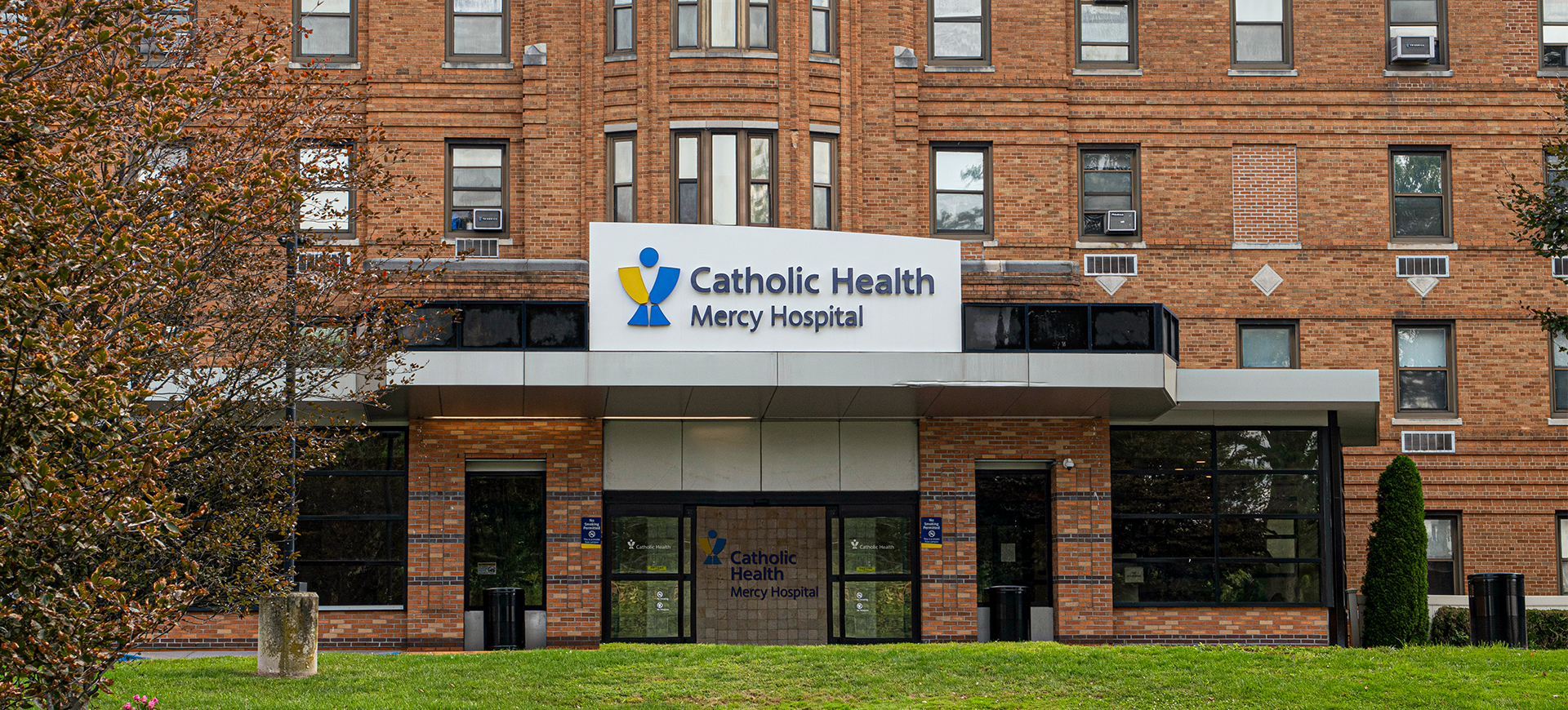
St. Francis Heart Center at Mercy Hospital
Rockville Centre, NY

St. Francis Heart Center at St. Catherine of Siena Hospital
Smithtown, NY

 Edge
Edge Chrome
 Safari
 Firefox