

 Find a Doctor
 Find a Location
 Programs & Services
 Appointments & Video Visits

This Tick-Borne Illness is Moving North
Alpha-Gal Syndrome (AGS) is a tick-borne disease that causes a serious, potentially life-threatening allergy to red meat. More specifically, it causes an allergic reaction to occur from contact with the alpha-gal sugar molecule found in the meat from certain mammals (beef, pork, lamb, venison) as well as from certain products that are derived from this meat.
In the United States, AGS is primarily associated with the bite of a lone star tick. Cases have been relatively rare in the Northeast and Midwest until recently, as the Southeast was the traditional habitat of the lone star tick. However, scientists have reported that the warming climate has caused these ticks to migrate north, where it was previously too cold for the species to survive.
What Causes Alpha-Gal Syndrome?
AGS is triggered by the bite of the lone star tick, which carries alpha-gal in its saliva and then transfers it to humans through the bloodstream.
For some people, their immune system responds by producing anti-bodies to alpha-gal, which can cause an allergic reaction to red meat or other animal products, such as dairy.
It can takes weeks or even months after a tick bite, for the immune system to produce the antibodies to alpha-gal that cause the meat allergy.
What are the Symptoms and Signs of Infection?
Most people don’t know they have AGS until they have an allergic reaction. Some people may not have a reaction to every product with alpha-gal or they may experience different symptoms. AGS symptoms can range from mild to severe, and some may be life-threatening. Symptoms may include:
- Itchy rash or hives
- Gastrointestinal issues including stomach pain, nausea, heartburn, vomiting or diarrhea
- Respiratory symptoms including wheezing, coughing and shortness of breath
- Swelling of the lips, tongue, throat, or eyelids
- Drop in blood pressure causing dizziness and fainting
- Anaphylaxis: A life-threatening reaction that requires emergency treatment
People can experience different symptoms or reactions each time they are exposed to alpha-gal.
Diagnosis of Alpha-Gal Syndrome
At times, AGS can be difficult to diagnose, especially when there are inconsistent symptoms and delayed reactions. Diagnosis will include a review of symptoms, a physical examination, a detailed patient history including history of tick bites and outdoor exposure, as well as a blood test (alpha-gal sIgE) to detect immunoglobulin-E antibodies to alpha-gal.

“People with alpha-gal syndrome need to be vigilant about avoiding red meat and other related products that may cause a serious reaction, as well as be constantly aware of the potential for accidental exposure.”
Treatment for Alpha-Gal Syndrome
There is no cure or specific treatment for alpha-gal syndrome and no there is no vaccine currently available to prevent it.
The Centers for Disease Control and Prevention (CDC) reports that AGS can be managed (along with the guidance of a physician) by avoiding certain types of meat including beef, pork, lamb, venison, or rabbit. Some people may also need to eliminate other sources of alpha-gal, including dairy and certain medications. Patients should work with their healthcare provider to determine which sources of alpha-gal should be avoided.
Learn more from the CDC about products that may contain alpha-gal.
For a mild allergic reaction, an allergy medicine might help with symptoms.
For a more intense reaction, you may need a shot of epinephrine and emergency care. In many cases, a physician will prescribe an epinephrine auto-injector (like an EpiPen®) or nasal spray. Work with your medical provider to learn how to use these products.
Many people with AGS may have anaphylactic reactions, so the majority of sufferers should carry an EpiPen with them at all times. People who need to use epinephrine auto-injectors or nasal sprays should still seek emergency care. If you are experiencing a severe reaction, dial 911 immediately.
Prevention
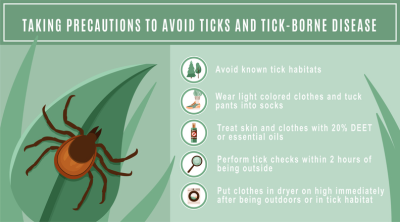
The best way to prevent alpha-gal syndrome and other tick-borne illnesses is to prevent tick bites from occurring. Prevention tips include:
- Use tick repellents on skin and clothing. Products that contain DEET or picaridin may be used directly on skin.
- Cover up your exposed skin by wearing a hat, pants and long sleeves. Light-colored clothing can help you spot ticks more easily.
- When hiking, always stay in the center of paths and trails.
- Stay away from high grass, bushes, trees, and brush where ticks are prevalent.
- Always check yourself and your family members (including pets) for ticks after returning indoors.
- Shower promptly after coming inside.
If you find an attached tick, remove it promptly and, if possible, try to identify the type of tick. The lone star tick can be distinguished by a prominent white spot in the middle of the female’s back and small white spots on the back of male ticks.
Seek prompt medical attention if you experience a reaction, swelling, rash, or are concerned about your health after a tick bite.


 Edge
Edge Chrome
 Safari
 Firefox