Causes/Risk Factors for Pelvic Floor Disorders
Many factors can contribute to the development of Pelvic floor disorders. Commonly associated risk factors include:
- Pregnancy and childbirth
- Aging
- Menopause
- Surgery (hysterectomy)
- Trauma to the pelvic area (car accident or fall that caused pelvic injuries)
- Obesity
- Chronic constipation
- Genetic makeup
- Smoking
How are Pelvic Floor Disorders Diagnosed?
“If you are experiencing pelvic floor symptoms, talk to your primary care physician or gynecologist,” said Dr. Downing. “They will help you determine if you should see a urogynecologist, a surgeon who specializes in caring for women with pelvic floor disorders.”
Your doctor will perform several exams, including a physical exam, rectal exam, and pelvic exam, to evaluate your pelvic floor muscles. They will also ask you questions about your symptoms, including how frequently you urinate and have bowel movements. Additional testing may include diagnostic imaging tests and bowel and bladder function tests.
Treatment for Pelvic Floor Disorders
Treatment for PFDs can range from lifestyle modifications to surgery. Your physician will decide which treatment is best for your personal condition.
Nonsurgical treatments
- Physical therapy to rehabilitate the pelvic floor muscles that need strengthening
- Bladder training to regain bladder control
- Making dietary changes such as avoiding caffeine, alcohol or beverages with carbonation
- Insertion of a vaginal pessary (plastic or rubber ring) to support the bladder
- Oral medications to help with urinary frequency and/or urine loss.
Surgical treatments
“We will first want to try nonsurgical methods to treat a pelvic floor disorder, but some patients may benefit from a surgical intervention,” said Dr. Downing. Surgery may be recommended for patients with significant discomfort or chronic pelvic pain.
Pelvic floor surgery can often be performed as a minimally invasive surgical procedure, which allows for quicker healing and recovery. “Your urogynecologist will review the most effective surgical option for you,” added Dr. Downing.
Can I do pelvic floor exercises on my own?
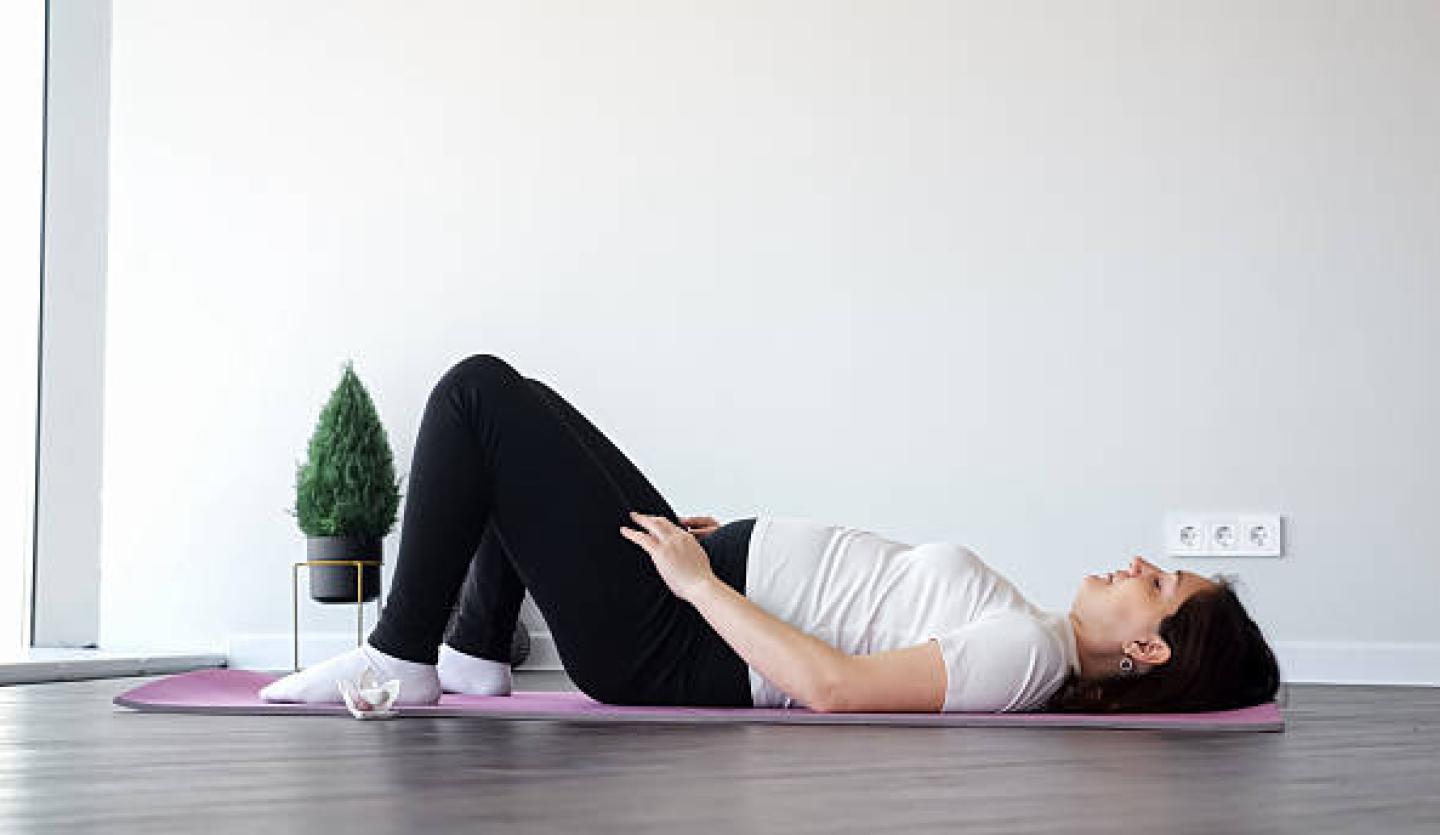
“Physical therapy is a great starting point to learn how to identify your pelvic floor muscles and how to strengthen them through exercise,” said Dr. Downing. “When your physical therapy sessions are complete, you can do exercises—also called Kegel exercises—on your own.”
Dr. Downing explained that the instruction he gives to patients is to imagine they are in a crowded elevator and suddenly have the urge to pass gas. "What muscles would they squeeze to keep from doing so?” he said. "Once you identify the correct muscles, improved strength will come with time.”
He recommends performing 10 squeezes for 10 seconds (beginners may have to start at three or five seconds) two to three times daily.
Can I use an app for pelvic floor exercises?
“Yes, mobile apps can help you learn and perform pelvic floor muscle exercises routinely,” said Dr. Downing. “Talk to your doctor before downloading and using an app so you can determine together the quality and accuracy of the app’s information.”
Find Care at Catholic Health
Learn more about Urogynecology & Pelvic Health at Catholic Health - where we provide comprehensive care for women with pelvic floor disorders.
“Our team of experienced doctors, nurses, and support staff understands the sensitivity of PFDs—from diagnosis to treatment,” said Dr. Downing. "Your treatment options are carefully explained so you understand your condition and can make the best decision for your health.”


 Find a Doctor
 Find a Location
 Programs & Services
 Appointments & Video Visits







 Edge
Edge Chrome
 Safari
 Firefox