Why High-Protein Diets Appeal to Many
A high-protein diet appeals to many people for different reasons. Some want more fullness between meals, while others want better blood sugar control or improved metabolism. Plus, protein is even better support for muscle strength as you age. You can benefit from a high-protein diet when you balance it with fiber, healthy fats and whole grains.
The benefits of a high protein diet can help you:
- Maintain muscle strength — Protein helps your body repair tissue after physical activity and helps preserve muscle mass as you get older.
- Support weight goals — Higher-protein meals can help you feel fuller for longer periods of time, which may reduce the urge to overeat.
- Balance blood sugar — Protein slows the digestion of carbohydrates and helps prevent sudden spikes in blood sugar, especially if you pair protein with fiber and healthy fats (examples of healthy fat include avocado, nuts, seeds, and olive oil)
- Boost metabolism — Protein requires more energy to break down, compared with carbohydrates or fats. This can slightly increase how many calories your body uses each day.
- Support healing and recovery — Your body relies on protein to repair tissues, heal wounds and recover from illness or surgery.
How to Fit High-Protein Snacks into Your Day
High-protein cereals, chips, shakes and snack bars are almost everywhere. Some of these protein snacks offer real value when you need a quick option or when you feel a little hungry. And if you struggle to meet your protein goals or need easy on-the-go options, they can be a benefit. (Think about a handful of almonds or a serving of Greek yogurt vs. a snack bag of chips or cookies - these are single ingredient foods and also provide other nutritional benefits).
However, many of these products contain added sugars, artificial flavors, fillers or processed ingredients that add calories without much nutritional benefit. Some snacks provide protein but lack important nutrients, such as fiber, vitamins or healthy fats. “A simple rule to remember: whole foods often give you more nutrition for the same amount of protein,” said Elizabeth Wilkinson. “Protein snacks can help in certain situations, but they should not replace balanced meals. Make sure to look at the full ingredient list, not just the protein number on the front.”
Possible Risks of a High-Protein Diet
Most people can tolerate a higher-protein diet without difficulty, especially when the protein comes from different sources. But too much protein or the wrong mix of foods can create problems. Watch for these potential protein risks:
- Kidney stress — If you have kidney disease or reduced kidney function, too much protein can increase stress on your kidneys.
- Digestive changes — A high-protein diet can crowd out fiber if you rely heavily on meat or processed snacks. Consuming too little fiber can cause constipation and discomfort.
- Extra saturated fat — Certain protein sources, like fatty cuts of meat or full-fat dairy, can raise your saturated fat intake and affect heart health.
- Unbalanced meals — Focusing only on protein can leave you short on other nutrients your body needs, such as complex carbohydrates, fruits, vegetables and whole grains.
- Extra sugars in protein products — Some high-protein packaged foods contain sugars or sweeteners that raise calories without added nutritional value.
Smart Ways to Add Protein to Your Day
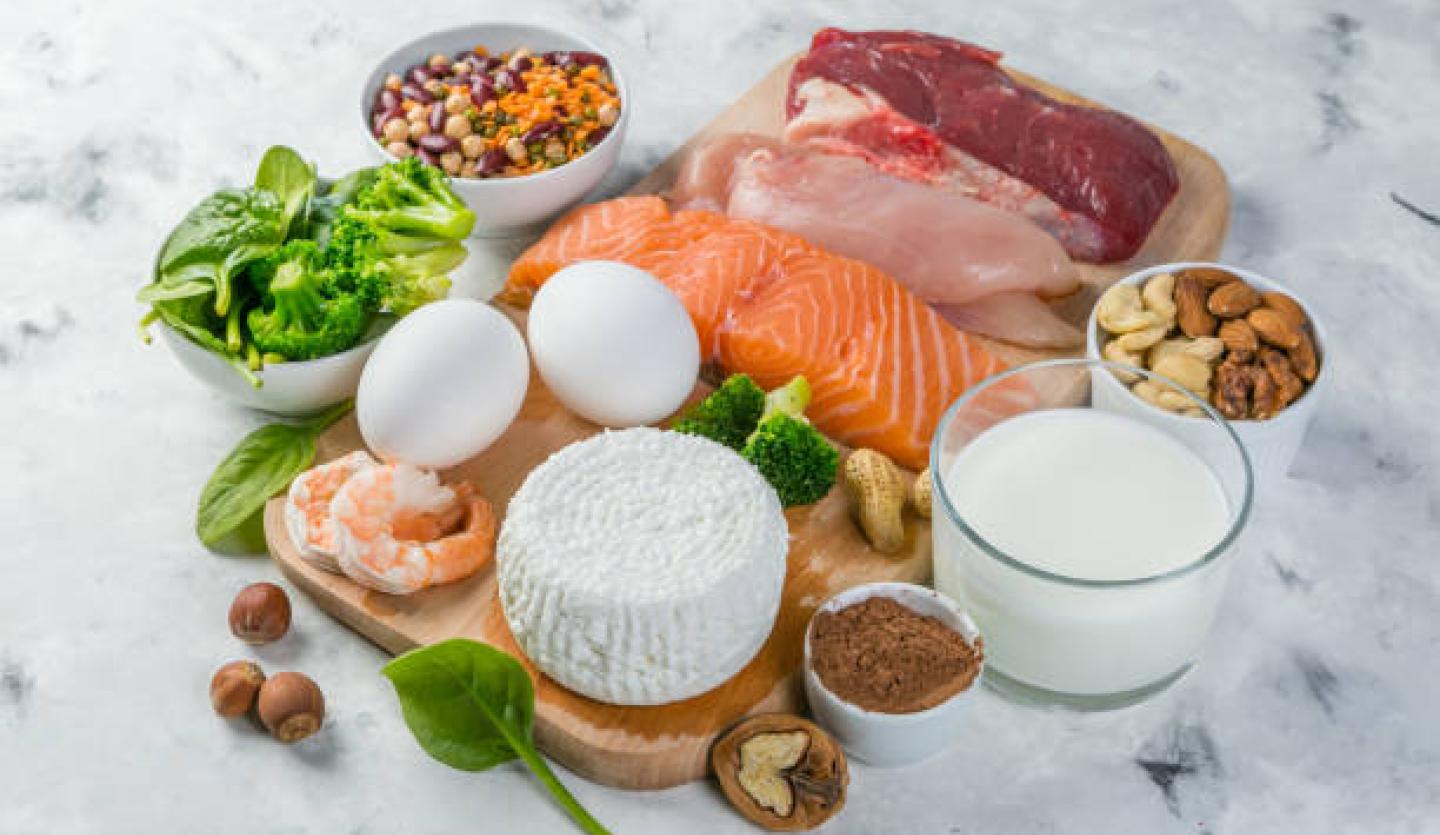
- Choose whole-food proteins — Lean chicken, turkey, salmon, eggs, tofu, beans, lentils, Greek yogurt and cottage cheese offer natural protein with fewer additives.
- Combine protein with fiber — Boost satiety by pairing protein with fiber-rich foods like vegetables, fruits, beans, whole grains and nuts.
- Spread protein choices throughout the day — Your body uses protein more effectively when you space it out across meals and snacks, instead of loading it into one large serving.
- Add small upgrades — Stir cottage cheese into scrambled eggs, add beans to soups, use nuts or seeds on salads, or choose whole-grain toast with unsweetened nut butter.
You do not need special products to meet your protein goals. Try to incorporate these simple tips for adding protein and nutrients to your meals:
When Supplements or Packaged Protein May Help
Not everyone needs supplements, protein powders, shakes or bars. They can help if you are:
- Short on time and unable to prepare regular meals
- Recovering from an illness or surgery
- Unable to eat enough because of a low appetite
- Training for physical demands
If you choose a protein supplement, look for products with a short ingredient list and very low added sugars.
Your physician or a dietitian can help you decide what best fits your health needs. Remember to pay attention to your body. If you notice digestive issues, unusual fatigue, swelling or trouble with your appetite after increasing your protein intake, talk to your doctor. People with kidney disease, diabetes or heart conditions may need personalized guidance.


 Find a Doctor
 Find a Location
 Programs & Services
 Appointments & Video Visits


 Edge
Edge Chrome
 Safari
 Firefox