What Is Diverticulitis?
Diverticulitis is part of a broader condition known as diverticular disease. It affects the large intestine, also called the colon.
Over time, pressure inside the colon can cause weak spots in the colon wall. These spots can start bulging outward, forming small pouches called diverticula. Diverticula typically develop in the lower part of the colon, usually on the left side.
Having diverticula without symptoms, or diverticulosis, is often called a silent condition because many people never know they have it.
Diverticulitis occurs when one or more diverticula become inflamed or infected. This can trigger an acute attack, marked by abdominal pain and other symptoms that require medical attention.
Recognizing Diverticulitis Symptoms
Diverticulitis symptoms can range from mild to severe and can come on suddenly.
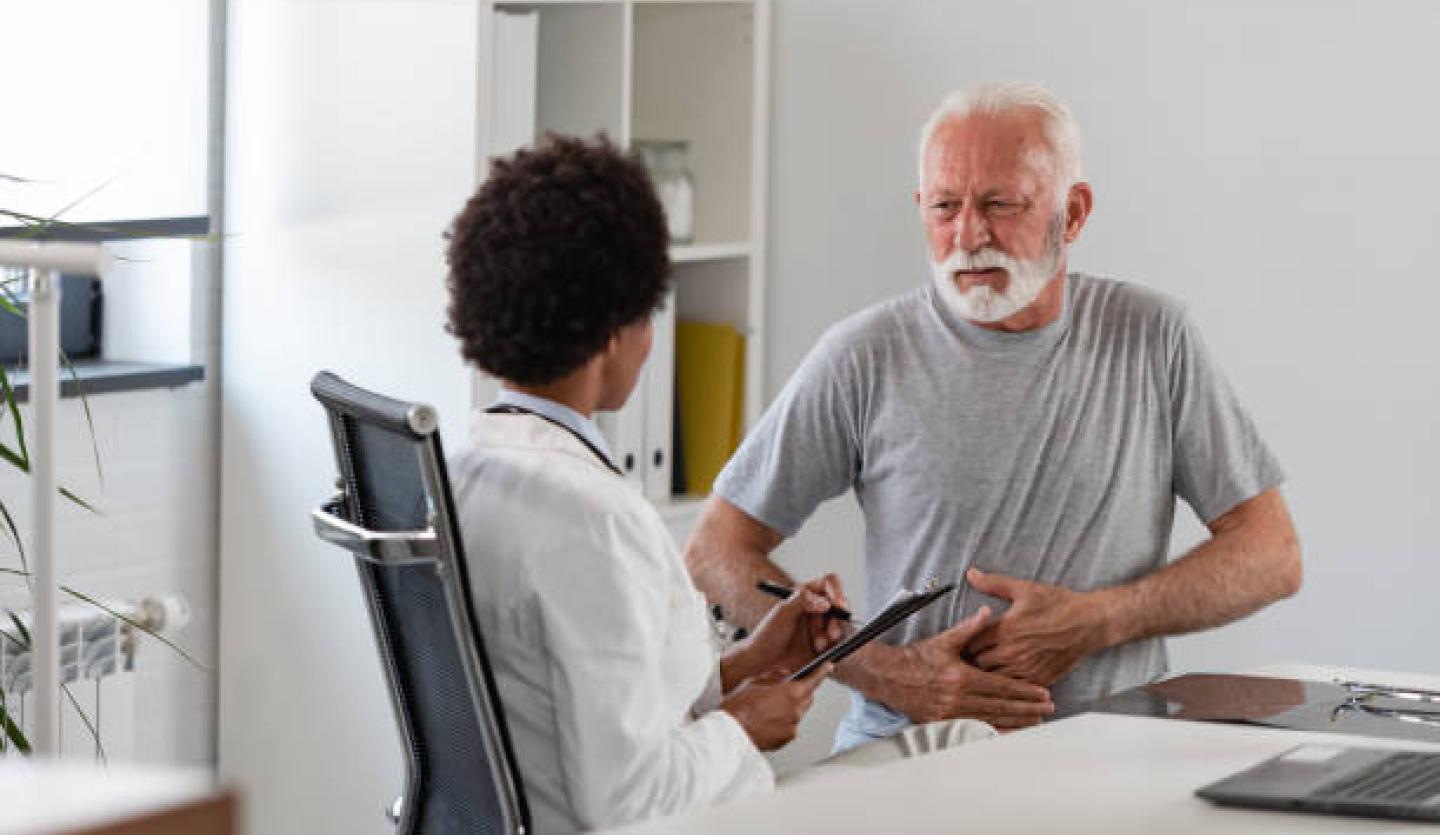
The most common symptom is abdominal pain, usually felt on the lower left side. The pain may start gradually or appear without warning and often worsens over time.
Other diverticulitis symptoms may include:
- Bloating or tenderness in the abdomen
- Constipation or, less commonly, diarrhea
- Fever or chills
- Loss of appetite
- Nausea or vomiting
In more serious cases, symptoms may signal complications within the abdominal cavity. You should call your physician right away if you experience:
- Dizziness or weakness
- Fever that does not improve
- Rectal bleeding
- Severe or worsening abdominal pain
Receiving prompt medical attention can help reduce the risk of complications.
Diverticulitis Causes and Risk Factors
Although physicians do not always know what triggers diverticulitis, they do know that several factors can increase your risk.
One theory suggests that increased pressure inside the colon causes diverticula to form. When stool or bacteria become trapped in a pouch, inflammation or infection may develop.
Common diverticulitis risk factors include:
- Dietary habits — Diets high in red meats and low in fiber are often linked to a higher risk of diverticulitis. Fiber helps stool move smoothly through the colon, reducing pressure on the colon wall.
- Lifestyle factors — Obesity, smoking and lack of physical activity are associated with higher rates of diverticular disease.
- Medications — Nonsteroidal anti-inflammatory drugs (NSAIDs), such as ibuprofen and naproxen, may increase the risk of diverticulitis or complications.
Age also plays a role. Diverticula become more common as people get older, increasing the chance of diverticulitis.
Diverticulitis Diagnosis: What to Expect
If your physician suspects diverticulitis, they will recommend a physical exam and discuss your symptoms more in-depth. They may also check for tenderness in your abdomen, particularly on the left side.
Imaging tests are often used to confirm the diagnosis. The gold standard: CT scans, which can show inflammation in the colon and help rule out other causes of abdominal pain. CT scans can also identify complications, such as abscesses or a perforation.
Your physician may order blood tests to look for signs of infection, such as an elevated white blood cell count.
In addition, they may recommend a colonoscopy after your symptoms improve to ensure your colon is healthy.
Diverticulitis Treatment Options
Treatment for diverticulitis depends on the severity of your case and whether you have any complications.
If you have a mild case, you may be able to treat your condition at home with remedies including:
- A temporary liquid or low-fiber diet to allow the colon to rest
- Antibiotics, if recommended by your physician
- Pain relief medications, such as acetaminophen
Usually, physicians advise avoiding NSAIDs because they may increase the risk of bleeding.
If you have a more severe case of diverticulitis, you may need to stay in the hospital. In an inpatient setting, a team of physicians can closely monitor your symptoms and help prevent complications.
Hospital-based treatment may include:
- Fluids for hydration
- Imaging-guided drainage of abscesses, if needed
- Intravenous antibiotics
Typically, physicians reserve recommending surgery for complicated or recurrent cases. Surgical treatment may involve removing the affected part of the colon. Dr. Sher added, “This type of procedure may be performed laparoscopically and/or robotically without the need for a colostomy (bag) if treated before perforation occurs.”
Diverticulitis Prevention: How to Avoid a Future Attack
While you cannot always prevent it, you can make lifestyle changes to help reduce your risk of diverticulitis or future flare-ups.
Steps you can take to help prevent diverticulitis include:
- Avoiding smoking — Smoking is linked to an increased risk of diverticular disease and complications.
- Drinking plenty of fluids — Water helps fiber move through the digestive system more easily.
- Eating a high-fiber diet — Gradually increasing fibrous foods like fruits, vegetables, whole grains and legumes can support colon health once inflammation subsides.
- Exercising regularly — Physical activity promotes healthy bowel function and reduces pressure in the colon.
- Limiting red meats — Choosing lean proteins and plant-based options may lower risk.
Although physicians used to recommend avoiding seeds and nuts, they are no longer considered a cause of diverticulitis. Instead, these foods can serve as part of a balanced, fiber-rich diet.
Long-Term Management of Diverticulitis
Diverticulitis can be painful, but it is highly treatable for most people. Early diagnosis, appropriate treatment and long-term lifestyle changes can play an important role in managing symptoms and reducing recurrence.
“A high fiber diet consisting of 30-40 grams of fiber with 6-8 glasses of water a day is critical in supporting colon health and may help reduce the risk of future diverticulitis episodes,” said Dr. Sher.
The Dietary Guidelines for Americans provide clear, practical recommendations for daily fiber intake. They are a reliable place for patients to start when making long-term nutrition changes.
If you experience ongoing abdominal pain or symptoms that concern you, a physician can help determine the cause and guide your next steps. With the right care and prevention strategies, many people with diverticulitis can return to their normal routines and maintain good digestive health.


 Find a Doctor
 Find a Location
 Programs & Services
 Appointments & Video Visits



 Edge
Edge Chrome
 Safari
 Firefox