

 Find a Doctor
 Find a Location
 Programs & Services
 Appointments & Video Visits
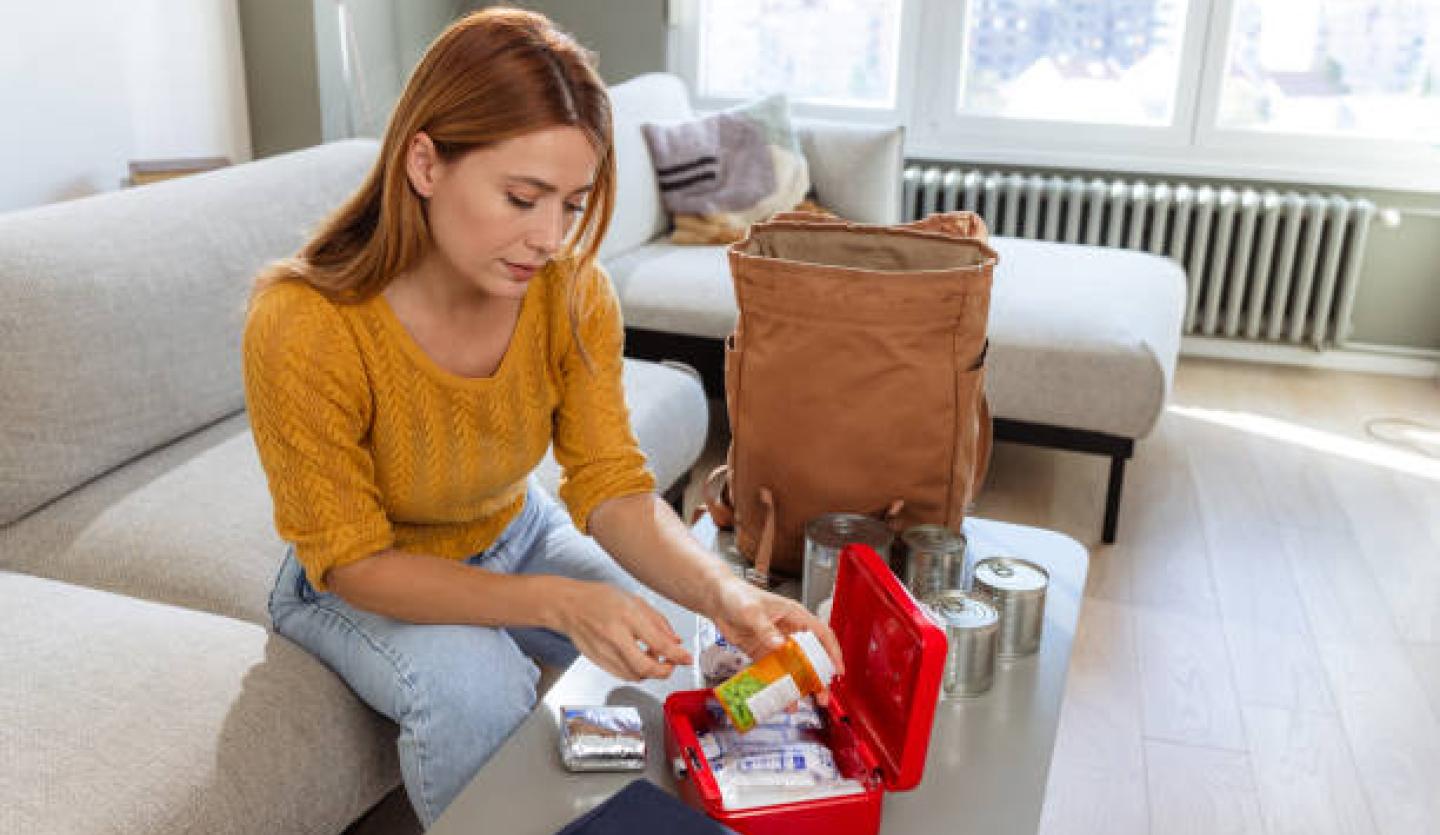
Equip your home and car with a first aid kit and learn when to seek professional medical care—it can make all the difference in an emergency.
Most households have something in a cabinet that passes for a first aid kit. A few bandages, some expired antiseptic cream and half a roll of gauze. You may think you have enough first aid kit essentials to feel prepared. That is, until something actually happens.
A well-stocked kit and an understanding of how to use it can make a difference in the minutes before professional care arrives or instead of a trip to urgent care.

“The most prepared patients I see are the ones who know what they have and know how to use it. A good first aid kit is not about having everything. It is about having the right things and knowing when something is beyond what you can handle at home.”
What to Stock in Your Home First Aid Kit
The American Red Cross recommends keeping a dedicated first aid kit in an accessible location at home, stored in a durable container that you can find quickly. It is important to have the following supplies on hand when common household injuries and emergencies occur.
Wound Care
- Adhesive bandages in multiple sizes
- Antibiotic ointment such as bacitracin or Neosporin
- Antiseptic wipes or solution
- Butterfly bandages or wound closure strips for deeper cuts
- Disposable gloves, at least two pairs
- Medical tape
- Sterile gauze pads and rolls
Medications
- Acetaminophen and ibuprofen for pain and fever
- Antacid and antidiarrheal medication
- Antihistamine such as diphenhydramine for allergic reactions
- Aspirin, for adults only, in case of a suspected heart attack
- Hydrocortisone cream for rashes, insect bites and mild skin reactions
Tools and Equipment
- Cold packs, both instant and reusable
- CPR face shield or mask
- Digital thermometer
- First aid manual or reference card
- Scissors and a small, sharp knife
- Tweezers for removing splinters and ticks
Personal and Household-Specific Items
- A seven-day supply of any prescription medications your family takes regularly
- Any medical devices specific to your family’s needs, such as a blood glucose monitor
- Emergency contact numbers, including poison control: 1 (800) 222-1222
- EpiPen or epinephrine auto-injector if any household member has a known severe allergy
Check the kit every six months and replace anything that has been used, expired or damaged. Expired medications and antiseptics lose their effectiveness over time.
What to Keep in Your Car First Aid Kit
A car kit serves a different purpose than a home kit. It needs to handle roadside injuries, be compact enough to store in a glove compartment or trunk, and hold up to temperature extremes. The American Red Cross recommends that every vehicle carry a dedicated first aid kit year-round.
The most important supplies for a car kit include adhesive bandages and gauze, antiseptic wipes and antibiotic ointment, disposable gloves, a digital thermometer, pain relievers, a cold pack and a small first aid manual. Beyond the medical supplies, also keep a reflective emergency triangle or road flares, a flashlight with fresh batteries, a foil emergency blanket and a charged phone charger or portable battery pack. In colder climates, add hand warmers and a small blanket.
Keep the car kit in the trunk rather than the glove compartment if possible. Medications and some supplies degrade faster with repeated heat exposure, which is unavoidable in a glove compartment during the summer months. Just like your home kit, check the kit in your car every six months and replace anything that has been used, expired or damaged.
How to Treat Common Injuries at Home
In addition to keeping useful, emergency supplies in a first aid kit, it is important to know how to treat and care for common injuries that may occur at home.
Cuts and Lacerations
Apply gentle pressure with a clean cloth or gauze until bleeding slows. Once it does, rinse the cut thoroughly under clean running water. Soap around the wound is fine; soap inside the wound stings and is not necessary. Apply antibiotic ointment and cover with a bandage sized to the wound.
A cut that is longer than about half an inch, has edges that will not stay together on their own, is deep enough to see tissue below the skin or will not stop bleeding after 10 to 15 minutes of direct pressure needs medical attention. The American College of Emergency Physicians says that even short delays in treating a wound can allow enough bacterial buildup to increase infection risk and scarring.
Burns
For first-degree burns affecting the outer skin layer, cool the burn under running water for at least 10 minutes. Do not use ice, butter, cream or ointment in the first stage of treatment. After cooling, you can apply a light moisturizing lotion to the area. Over-the-counter pain relief can help reduce discomfort.
Do not attempt to treat second-degree burns, which blister and affect deeper skin layers, at home without medical guidance. Third-degree burns, which look waxy, white, leathery or charred and may not hurt because the nerves are damaged, are emergencies. Go to the ER immediately and do not apply anything to the wound.
Bug Bites and Stings
For most bites and stings, wash the area with soap and water, apply a cold compress for 10 to 20 minutes to manage swelling and use hydrocortisone cream or an oral antihistamine for itching. If a bee stinger is visible, scrape it out with a fingernail or the edge of a credit card. Avoid squeezing it, which can push more venom into the skin.
Tick bites require closer attention. Use fine-tipped tweezers to grasp the tick as close to the skin surface as possible and pull upward with steady, even pressure. Clean the bite site afterward. Save the tick if possible and make a note of the date of the bite. Talk to your physician about whether you need testing or preventive treatment for Lyme disease.
Sprains
The standard approach for a mild sprain is rest, ice, compression and elevation, a method known as RICE. Apply a cold pack wrapped in a cloth for 20 minutes at a time during the first 48 hours. Wrap the joint with an elastic bandage, not so tight that it cuts off circulation, and elevate it above heart level when possible. Over-the-counter anti-inflammatory medication can help with swelling and pain.
If the joint cannot bear weight, is visibly deformed, is numb, or the pain is severe and not improving within 24 to 48 hours, get it evaluated. What feels like a sprain may be a fracture.

Poison Control: 1 (800) 222 - 1222
This line operates 24 hours a day, seven days a week. It provides free, confidential guidance for any suspected poisoning, including medication overdose, household chemical exposure and certain animal bites.
When to Go to Urgent Care vs. the Emergency Department
Knowing which level of care a situation warrants saves time, money, and in serious cases, can be the difference between a good outcome and a worse one.
When to Go to Urgent Care
- Bug bites showing signs of infection, including spreading redness, warmth or discharge
- Burns covering a small area that have blistered
- Cuts that need stitches but are not life-threatening
- Fever, vomiting, diarrhea or symptoms that have not improved with home treatment
- Mild to moderate allergic reactions without throat swelling or difficulty breathing
- Sprains and minor fractures where the limb is still functional
- Tick bites requiring evaluation for Lyme disease
When to Go to the Emergency Department
- A cut with bleeding that will not stop after 10 to 15 minutes of pressure
- Any bite from a wild animal, unknown animal or animal not up to date on rabies vaccination
- Any suspected broken bone, especially if there is visible deformity
- Burns covering a large area, any burn to the face, hands, feet or genitals, or any third-degree burn
- Head injuries with confusion, loss of consciousness, repeated vomiting or unequal pupils
- Signs of a severe allergic reaction: hives spreading across the body, throat tightness, difficulty swallowing, dizziness or loss of consciousness
- Signs of serious infection: high fever, red streaking from a wound, significant swelling or pus

Call 9-1-1: For any life-threatening emergency, including chest pain, difficulty breathing, stroke symptoms, severe bleeding, loss of consciousness or suspected poisoning where the person is unresponsive.
Learn Basic First Aid and CPR
A first aid kit is important to have. But so is knowing basic first aid and CPR. The American Red Cross offers courses, both in person and online, that cover the skills that matter in a real emergency. Refreshing those skills every few years keeps them current.
“Knowing how to do CPR correctly, or how to control serious bleeding, is genuinely lifesaving,” said Dr. Parikh. “We see outcomes in the ER that directly tie to what someone did in the first few minutes before paramedics arrived. That window matters enormously.”
Find Care at Catholic Health
Catholic Health offers Urgent Care Locations throughout Long Island for injuries and illnesses that need prompt attention but do not require emergency care. For life-threatening emergencies, our Emergency Departments are available around the clock.
Find a Catholic Health doctor near you. Or call 866-MY-LI-DOC (866-695-4362).


 Edge
Edge Chrome
 Safari
 Firefox