10 Hidden Blood Sugar Triggers
-
Losing Sleep
A single restless night is enough to throw off how well insulin does its job. Insulin is the hormone that moves sugar out of your blood and into your cells. When it does not work as well, more sugar stays in your bloodstream. Most adults need seven or more hours a night, and these sleep tips can help you get there.
-
Stress
When you feel stressed, your body releases hormones like cortisol and adrenaline. These hormones signal your liver to release stored sugar so you have quick energy to respond. That works well in a true emergency. But when stress lingers for days or weeks, that extra sugar can stay elevated. A short walk, a few deep breaths or a call with a friend can help you reset.
-
Dehydration
When you do not drink enough fluids, your blood holds less fluid, which leaves the sugar packed into a smaller volume. High blood sugar also makes you urinate more, which can dry you out even further. Plain water is your best choice, and this guide on how much water you need can help you set a daily goal.
-
Skipping Breakfast
Skipping your morning meal might seem like an easy way to save calories, but it can backfire. Research shows that people who skip breakfast tend to see bigger jumps after their midday and evening meals. A morning meal with protein and fiber, like eggs with whole-grain toast or Greek yogurt with berries, helps keep blood sugar levels steadier through the day.
-
The Dawn Phenomenon
Have you ever woken up with higher numbers than you had at bedtime, even without a late-night snack? Between about 4 and 8 a.m., your body releases a surge of hormones, including cortisol and growth hormone, to help you wake up. These hormones make it harder for insulin to do its work. In people with diabetes, this natural rhythm, called the dawn phenomenon, can cause a morning blood sugar spike. If it happens often, your care team may adjust the type, dose or timing of your medicine.
-
Caffeine
Your morning coffee could play a part, even if you drink it black. For some people with diabetes, about 200 milligrams of caffeine can blunt insulin’s effect. Others notice no effect at all. Checking your levels before and after your usual cup is the easiest way to learn which group you fall into.
-
Artificial Sweeteners
Sugar substitutes can be a helpful swap, but they may not be neutral for everyone. A 2022 study found that saccharin and sucralose changed how some healthy adults processed sugar. The effect varied widely from person to person and appeared to be linked to gut bacteria. Researchers are still learning what this means long term, so keep an eye on your numbers if you use sweeteners often.
-
Certain Medications
Some medicines can raise blood sugar as a side effect. Steroids like prednisone are among the most common, and they can push numbers up even in people without a diabetes diagnosis. With a morning dose, levels often climb later in the afternoon. Certain oral decongestants, including some nasal sprays, contain ingredients that tell your liver to send extra sugar into your bloodstream. Never stop a prescribed medicine on your own. Instead, ask your physician or pharmacist how it may affect your numbers and what to watch for.
-
Illness or Infection
When you are fighting a cold, the flu or an infection, your body releases stress hormones to help you heal. Those same hormones can raise your blood sugar, even if you are eating less than usual. Talk with your care team about a sick-day plan before you need one, including which over-the-counter cold and flu medicines are safe for you.
-
Gum Disease
Your mouth and your blood sugar are more closely connected than you might expect. Inflammation from gum disease can make your numbers tougher to manage. At the same time, high blood sugar raises your risk of gum disease. Brushing twice a day, flossing and keeping up with dental visits help protect both.
Learn How Your Body Responds
Everyone reacts to these triggers a little differently. What sends one person’s numbers soaring may barely affect someone else. That is why tracking your own patterns matters so much.
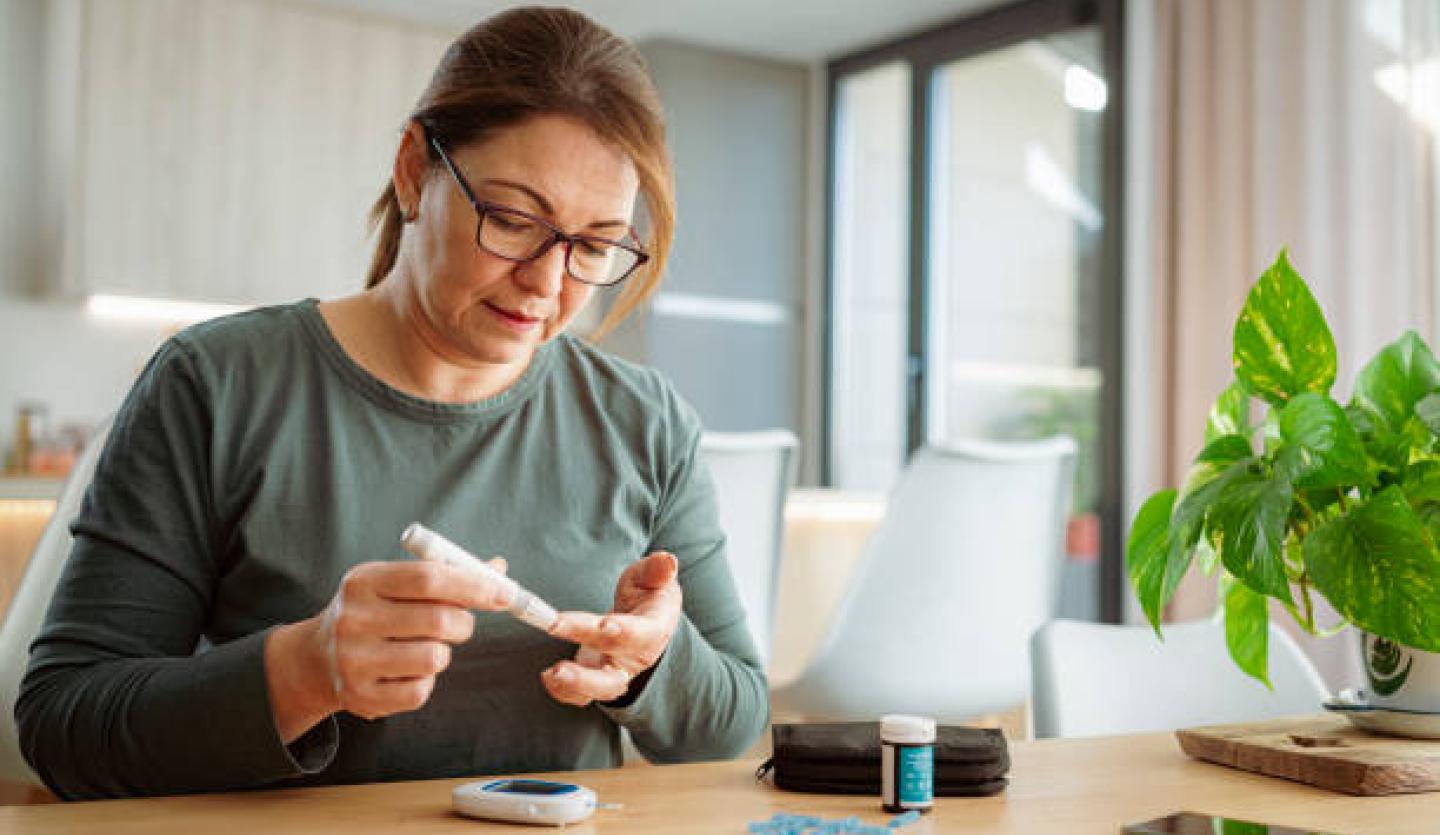
If you have diabetes, a glucose meter or a continuous glucose monitor (CGM) can show you how your body responds to everyday changes. Try checking before and after a new food, a stressful day or a night of poor sleep. Jot down what you notice or review trends in your CGM app, then bring that information to your next appointment. Your care team can use it to fine-tune your plan.
If you do not have diabetes but notice signs of high blood sugar, such as extreme thirst, frequent urination or blurry vision, talk with your provider. An A1C test shows your average blood sugar over the past few months and can help catch problems early.
“A continuous glucose monitor can be eye-opening,” said Dr. Fuentes. “Patients are often surprised to see that a poor night of sleep or a tense afternoon moved their numbers as much as a sweet treat. Seeing it for themselves helps them make changes that actually fit their lives.”
Frequently Asked Questions About Blood Sugar
What is considered high blood sugar?
For most adults with diabetes, a common goal is 80 to 130 mg/dL before meals and under 180 mg/dL one to two hours after the start of a meal. Your personal targets may differ, so ask your care team which range is right for you.
Can exercise raise blood sugar?
Most of the time, physical activity lowers blood sugar. But intense workouts, like sprinting or heavy weightlifting, can cause a short-term rise because your body releases adrenaline. Levels usually come back down once you rest.
How often should I check my blood sugar?
It depends on the type of diabetes you have and the medicines you take. Some people check several times a day, while others check less often. Your care team will help you find a schedule that gives you useful information without becoming a burden.
Find Care at Catholic Health
Our diabetes and endocrinology specialists can help you understand your numbers and build a plan that works for you.
Find a Catholic Health physician near you. Or call 866-MY-LI-DOC (866-695-4362).


 Find a Doctor
 Find a Location
 Programs & Services
 Appointments & Video Visits



 Edge
 Chrome
 Safari
 Firefox