What are the Benefits of an Anti-Inflammatory Diet?
While lifestyle choices and family history can play a role in the diseases and conditions that may be accompanied by chronic inflammation, the National Institute of Health (NIH) reports that anti-inflammatory diets may reduce the risk of cardiovascular disease and other conditions. Eating a diet rich in anti-inflammatory foods may help to decrease inflammation as well as:
- Lower the risk of chronic disease including diabetes, rheumatoid arthritis, heart disease, and certain cancers including colorectal cancers.
- Improve outcomes for existing chronic disease – it may lessen symptoms and slow the disease progression.
- Improve blood sugar levels and lower cholesterol.
- Reduce pain - pain is a common symptom of inflammation, so reducing inflammation can help to alleviate pain.
- Improve heart health – it can help to lower your risk of heart disease and high blood pressure.
Studies have also linked anti-inflammatory diets to better mental health and a decreased risk of depression.
What Foods Can Cause Inflammation?
Foods that contain high amounts of saturated fat, trans fat, and refined carbohydrates may lead to obesity and increased inflammation. Diets that create an imbalance of Omega-3 and Omega-6 fatty acids can also contribute.
This often includes ultra-processed foods like fast foods, packaged and items, or fried foods. The following foods, if consumed as part of a regular diet, may lead to obesity, inflammation, and ultimately, chronic disease:
- Red meat including steak and hamburgers
- Chips and other processed snacks like crackers, cookies, and cakes
- Fried foods
- Ultra-Processed meats including hot dogs, bacon, sausage and luncheon meats
- Refined carbohydrates in cereals, pasta and white bread
- Foods and drinks with added sugar and high fructose corn syrup
- Excessive alcohol
Occasionally eating small amounts of these foods may be tolerable, but frequently consuming too much of these foods may trigger inflammation because they are high in saturated fat, refined carbohydrates, excess salt, added sugar and artificial preservatives, flavors, colors, and other additives. Like an injury or infection, an unhealthy diet can trigger an inflammatory response.
Anti-Inflammatory Foods to Boost Your Health
While no one food reduces inflammation, following a healthy eating plan can help lower your risk of inflammatory disease and improve your overall health. Include foods like fresh fruits, vegetables, nuts, legumes (beans, lentils), fatty fish, lean meats, and whole grains. The following foods are recommended as part of an anti-inflammatory diet:
Omega-3 Fatty Acids
This includes powerful inflammation fighters commonly found in fatty fish including salmon, herring, sardines, tuna, striped bass and anchovies. Vegetarian options include nuts, seeds, leafy green vegetables (spinach and kale) and canola oil.
Polyphenols
Polyphenols are natural compounds in foods that protect the body from inflammation. These natural plant chemicals can be found in berries, dark chocolate, coffee, tea, apples, citrus, onions, and soybeans.
Fiber
Natural fiber is good for reducing inflammation and helping your gastrointestinal system. It can be found in fruits, vegetables, legumes and whole grains such as barley, oats, and bran.
Unsaturated Fats
This includes almonds, pecans, walnuts, flaxseeds, pumpkin and sesame seeds, and plant oils including olive oil, canola oil, avocado oil, and peanut oil.
Vitamin C
Ascorbic acid (Vitamin C) is a powerful antioxidant that can boost your immune system and help with inflammation. Vitamin C can be found in citrus fruits and vegetables like bell peppers, broccoli, tomatoes and Brussel sprouts.
Herbs and Spices
There are natural herbs and spices that contain anti-inflammatory compounds that may reduce inflammation and benefit your health. Try adding these to your diet for flavor and a natural boost:
- Garlic
- Ginger
- Cumin
- Cinnamon
- Turmeric
- Cardamom
- Black Pepper
- Rosemary
Gut-Healthy Foods
Inflammation in the intestinal system is often caused by an imbalance of bacteria. Adding certain foods to your diet can help to restore the balance between helpful and harmful bacteria to reduce inflammation while promoting good nutrition. These foods include:
- Probiotics: Plain yogurt, aged cheeses, kefir, miso, pickles, and fermented vegetables like sauerkraut and Kimchi.
- Prebiotics: Oats, barley, bananas, apples, artichokes, carrots, sweet potatoes, flax seeds, chia and hemp seeds.
Shop for Your Health
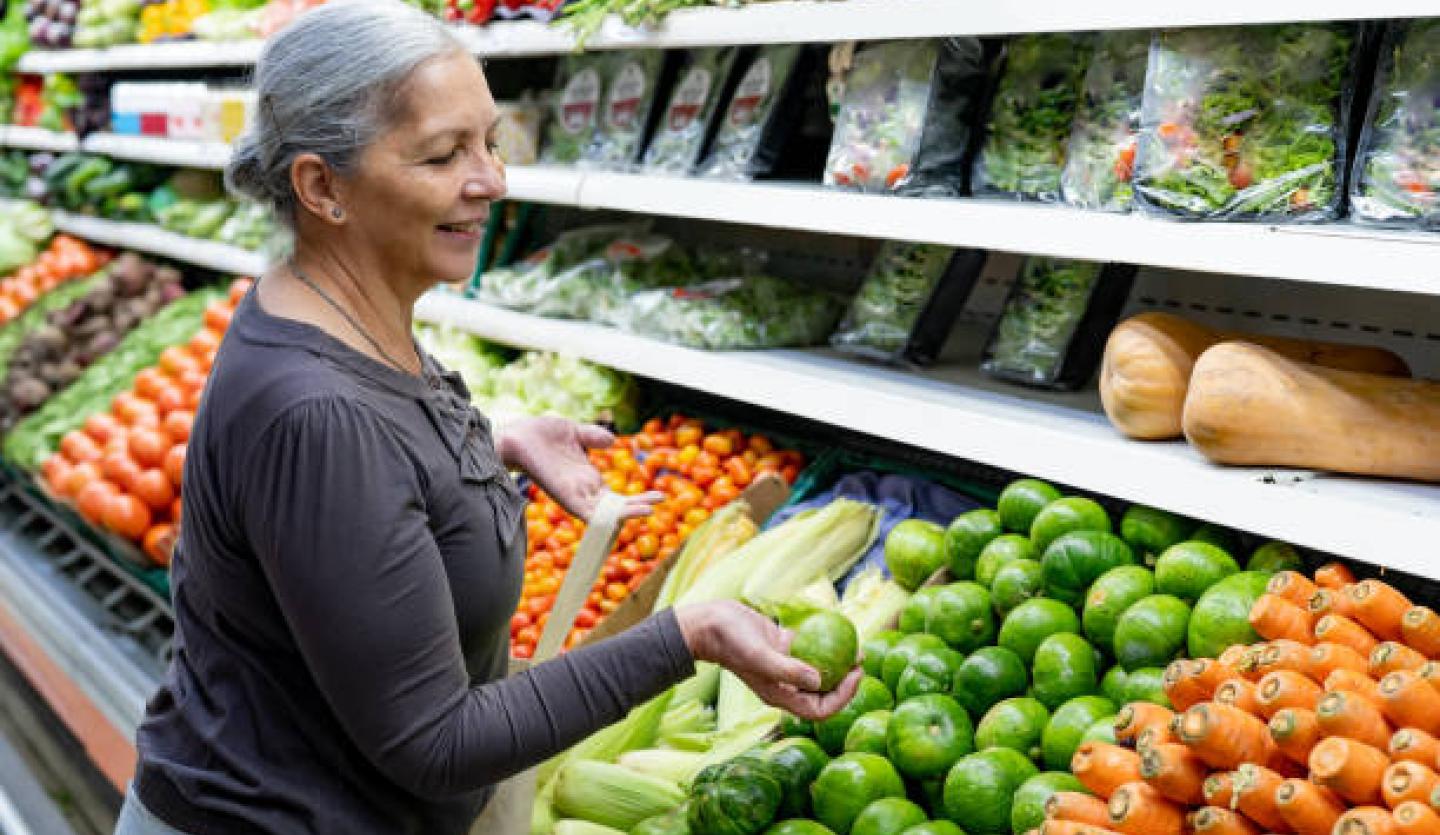
As you can see, some of the most powerful tools to decrease inflammation, don’t come from a pharmacy, but from your local grocery store. Make a list of anti-inflammatory foods that you want to add to your diet, so you can create a healthy meal plan and be prepared for your next trip to the grocery store.
Inflammation: You Can Fight It
Initially, it may seem challenging to adjust your diet and eat foods that help lower inflammation, especially with so many inflammatory foods that are readily available. However, over time, with some thoughtful menu planning and smart food choices, small changes can turn into lasting, healthy habits.
Find Care at Catholic Health
Find a Catholic Health doctor near you. Or call 866-MY-LI-DOC (866-875-3117).
Visit our Center for Integrative Medicine and Optimal Health or call 516-302-8535 for more information.


 Find a Doctor
 Find a Location
 Programs & Services
 Appointments & Video Visits


 Edge
Edge Chrome
 Safari
 Firefox