Day 1
Before starting any dietary plan, Dr. Freeman recommends consulting your primary care physician, gastroenterologist or nutritionist to ensure you’re on the right track.
The goal for the first day is to overhaul your diet, emphasizing basic, nutritious ingredients.
Say goodbye to refined sugars, artificial sweeteners, processed foods and red meat. This fare has been shown to promote chronic, low-grade inflammation, straining the immune system, increasing stress responses and leading to even worse outcomes.
“We know that certain pro-inflammatory foods, for example, red meat, have been linked to a higher incidence of colon cancer,” Dr. Freeman said.
Instead, try to fill your plate with grilled chicken breasts or turkey with steamed vegetables and your glass with lots of water.
“We want to think about whole grains, simple foods, lean meats, vegetables that are high in fiber,” Freeman explained. “We want to think about herbs like ginger, turmeric, even peppermint, which is something that we use in irritable bowel [disease].”
Day 2
You’re putting the “2” in H20.
You should be hydrating with 64 ounces of water, which is eight 8-ounce cups. The idea is to calm down your GI tract. With that in mind, you should consider adding teas to your grocery list. Green tea is known to promote relaxation while fighting inflammation, reducing cellular damage and lowering bad cholesterol.
Days 3 and 4
Get ready for a culture shock — but in a good way.
This is the time when you should be consuming prebiotics and probiotics, live bacteria and yeasts that benefit your gut’s bacterial environment, which strengthens the gut barrier, regulates immune responses and influences the gut-brain axis to reduce anxiety.
Go for yogurts, fermented vegetables, garlic, asparagus or leeks. “Certain probiotics, as well as prebiotics, can help decrease the amount of inflammation in the GI tract,” Freeman said. “We know that from studies looking at conditions like Crohn’s, which is an inflammatory bowel disease.”
Day 5
Fiber is the word of the day.
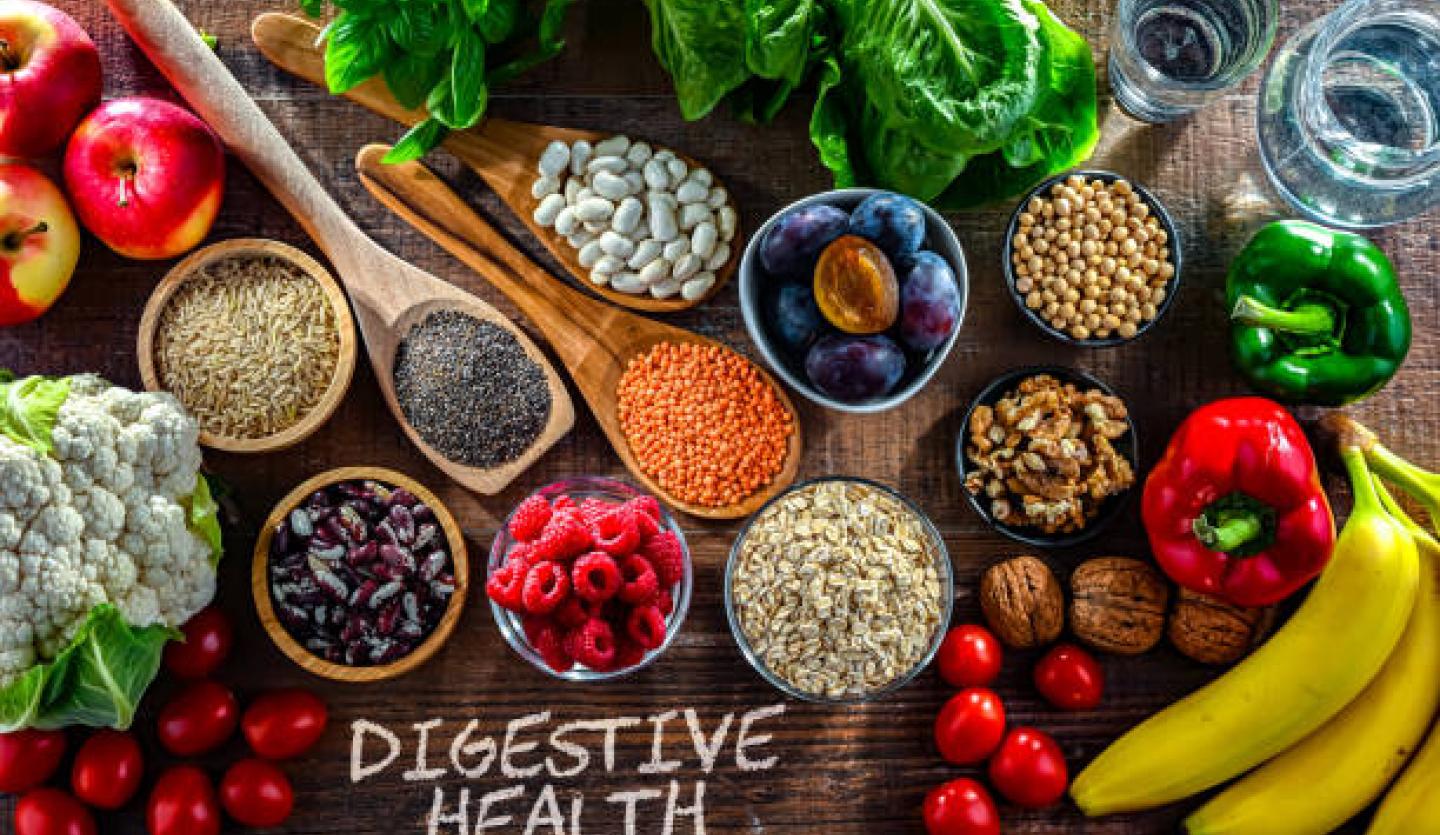
“When I say fiber, I’m thinking about oats, grains, brown rice, brown bread, chia seeds, lentils, dark leafy greens,” Freeman said. Fiber provides sustained energy for exercise and activities, which is what Freeman wants you to amp up. You should be getting at least 30 minutes of daily exercise, like walking or using the elliptical at the gym. Just concentrate on moving!
“Ambulation is so important for having healthy bowel movements,” Freeman noted. “That, combined with that 64 ounces of water, as well as your grains, can make you more regular and feeling better, feeling lighter.”
Day 6
As the week draws to a close, you should turn your attention to solidifying healthy habits.
Try to eat dinner earlier, cut back on alcohol and get more sleep, ideally eight hours, to align the body’s natural circadian rhythms, resulting in improved digestion and strengthened immunity.
To reduce stress, power off your electronic devices and spend time with your loved ones. “I can’t emphasize it enough,” Freeman said. “It really adds to the emotional component, which is also a big part of gut health.”
Day 7
Congrats, you made it!
Ideally, this week left you energized thanks to good sleep, better bowel movements, fewer cravings and less bloating. Now, you should work on creating a plan that lasts longer than seven days.
“Day 7 is about [asking], How are we going to maintain this for the remainder of the year?" Freeman said.
Check in with your gastroenterologist to see what worked and what could be improved. With any luck, this gut reset will sprout some healthy habits that can be followed for the months to come.


 Find a Doctor
 Find a Location
 Programs & Services
 Appointments & Video Visits


 Edge
Edge Chrome
 Safari
 Firefox