
Skip navigation

This article was originally published on nypost.com on Jan. 14, 2026

Think Ahead

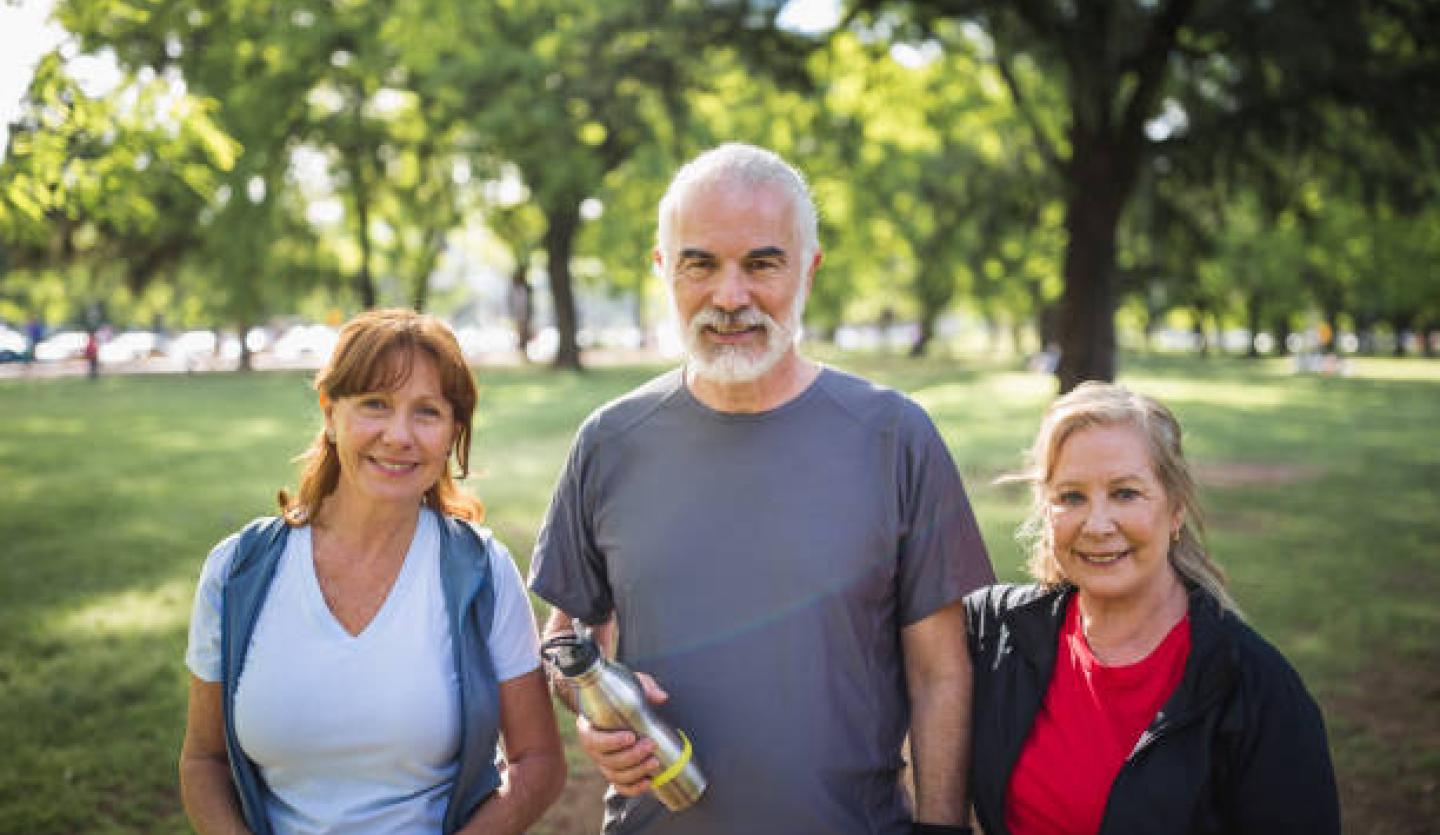
It’s important to treat your brain like a retirement fund — the earlier you invest, the better it pays off. Building brain health with movement and mental curiosity helps keep your mind’s wiring strong and resilient over time.

Dr. Bruce Mayerson, Co-Chair of Neurosciences at Catholic Health and the Chief of Neurology at St. Catherine of Siena Hospital, shares six major ways to mind your gray matter well before your hair goes gray.

Eat This, Not That

Mayerson is a fan of the anti-inflammatory Mediterranean diet, which emphasizes fruits, vegetables, whole grains, beans, nuts and olive oil, with fish and poultry in moderation.

Nuts, in particular, are packed with heart-healthy unsaturated fats, plant-based protein, fiber, vitamins and minerals. The doc recommended cashews, almonds and peanuts specifically.

The Mediterranean diet also limits ultra-processed foods, refined grains like white bread and rice, unhealthy fats like butter, added sugars, alcohol and red meat.

“I don’t think it necessarily needs to be completely excluded,” Mayerson said of red meat. “It is a very good source of protein, but it’s also a high-fat food.”

“So, in general, things like chicken and poultry are probably better, not to mention that in terms of cholesterol, red meat can also be an issue for people who are managing that lipid problem,” he added.

Stay Social and Optimistic

A recent study out of the University of Florida found that your brain’s “true age” can shift dramatically based on how you live — with optimism, restorative sleep, stress management and strong social connections acting like powerful anti-aging tools.

Dr. Mayerson

“This research underscores that optimism and stress management can meaningfully slow brain aging, while strong social connections play a powerful role in supporting brain health, especially as we grow older.”


Walk this Way

Aerobic (cardio) and anaerobic (strength/HIIT) exercises significantly benefit the brain by boosting blood flow, promoting new brain cells, enhancing the brain’s ability to change, improving memory and reducing cognitive decline — but that doesn’t mean you need to go nuts at the gym.

For aerobic activity, walking at a brisk pace can be just as good as running. Mayerson recommends setting a daily walk goal — and sticking to it.

“For my patients, I find that if you give them a goal, [like] you’re going to walk 2 miles every day or 3 miles every day, you’re going to do it at the same time each day,” he said. “You get into that sort of rhythm.”

But if you’re thinking 18 holes at the local country club is meeting your movement quota, think again.

“A lot of people golf, and I think that’s great for your mind,” Mayerson said. “For the body, it may not be quite as effective because I think it’s hard on necks and backs, and you don’t really get any significant aerobic or anaerobic [benefit] unless you walk the golf course.”

Protect Your Head

Seems pretty obvious — hitting your skull on pavement? Not so great for your brain. But too many people skip helmets when riding bikes and scooters.

“I think that’s probably one of the riskiest behaviors you can do,” Mayerson said. “Even if you think you’re not going quickly on one of these things, if you’re doing 15 or 20 miles an hour and you hit your head, you can have a serious traumatic brain injury, not to mention, broken bones.”

E-bikes are often 5-10 miles per hour faster than regular bikes, while powerful e-scooters can reach 40 to 55 mph. Mayerson said he’s seen brain injuries range from concussions to hemorrhages and skull fractures.

“So helmets are very, very important, I can’t overemphasize that enough,” he added.

Keep Reading!

Sure, it can be tempting to tune out — but staying informed on the news engages your mind and potentially lowers your risk of dementia, Mayerson said.

“Keeping yourself apprised of current events and being able to discuss these things with [family members] can lead to a little bit of controversy or something adversarial,” he added, “[but] keeping yourself in the loop, so to speak, is very important.”

Mayerson isn’t as sold on crosswords, Sudoku and other word games as a way to delay cognitive decline.

“You’ll be great at crosswords and things like that if you practice them — not so sure that it translates into a dramatic effect on your dementia or slowing [it] down,” he added.

Find Care at Catholic Health

Find a Catholic Health doctor near you. Or call 866-MY-LI-DOC (866-695-4362).

browser error

Browser Error

Diagnosis: Our website no longer supports this web browser.

Treatment: Please use one of the following browsers for the best possible outcome.

  • edge web browser iconEdge
  • chrome web browser iconChrome
  • safari web browser iconSafari
  • firefox web browser iconFirefox