

 Find a Doctor
 Find a Location
 Programs & Services
 Appointments & Video Visits

Advanced Theranostic Program at Catholic Health
At Catholic Health, our dedicated cancer care team is committed to delivering the most advanced, innovative treatments available to ensure the best possible outcomes for our patients.
Our Theranostic Program utilizes powerful new technology to provide innovative oncology treatments that offer patients renewed hope, improved survival outcomes, and an enhanced quality of life.
What is Theranostics?

A Precisely Targeted Tool for Cancer Care
The word "theranostics" combines therapeutics (treatment) and diagnostics (testing) into a single, seamless approach. It is an advanced tool that allows our care team to see exactly where cancer cells are in the body and deliver highly targeted, cancer-fighting medicine directly to them.
Because this treatment is highly selective, it targets the cancer cells while leaving the surrounding healthy tissue virtually undamaged. For patients, this means a lower total amount of radiation, fewer side effects, and a treatment that is much easier to tolerate.
This advanced approach has shown significant positive results for several types of cancer, including prostate and neuroendocrine cancers.
Who Can Benefit from Theranostic Treatment?
Theranostics offers a highly personalized approach to care. It is frequently an option for patients with advanced or metastatic diseases, or for those whose cancer has not responded fully to standard systemic therapies. It may be used as treatment for:
- Prostate Cancer
- Neuroendocrine Tumors
As Catholic Health’s Theranostic Program continues to expand and research continues, this targeted therapy will pave the way for treating a broader range of medical conditions.

How Does Theranostics Work?

Theranostics bridges the gap between seeing your cancer and treating it. This advanced process happens in three steps:
- Clear Diagnosis (The Map)
The process begins with an injection of a special compound called a radiotracer into your bloodstream. These smart compounds travel through the body and bind specifically to cancer cells. When you receive a PET scan, these cells light up clearly. This gives your physician a highly detailed visual map of the disease and provides objective proof before treatment even begins that the therapy will successfully find and attach to your tumor.
- Targeted Therapy (The Mission)
Once your team confirms that the compound successfully binds to the cancer cells, the diagnostic component is swapped for a highly localized, cancer-fighting radioactive drug. Using the exact same pathway mapped out during your scan, this medicine travels straight to the target to neutralize the cancer cells from within.
- Monitoring
PSA testing allows doctors to see if the treatment is working. PET scans may also be performed on a case-by-case basis to track how the treatment has targeted the tumor and measure how the tumor is responding.
Meet the Team

Edward Obedian, MD
Radiation Oncology, The Cancer Institute at Mercy Hospital and St. Francis Hospital

Johnny Kao, MD
Radiation Oncology, The Cancer Institute at Good Samaritan University Hospital

Vikram Soni, MD
Radiation Oncology, The Cancer Institute at Good Samaritan University Hospital
Theranostic Program Locations
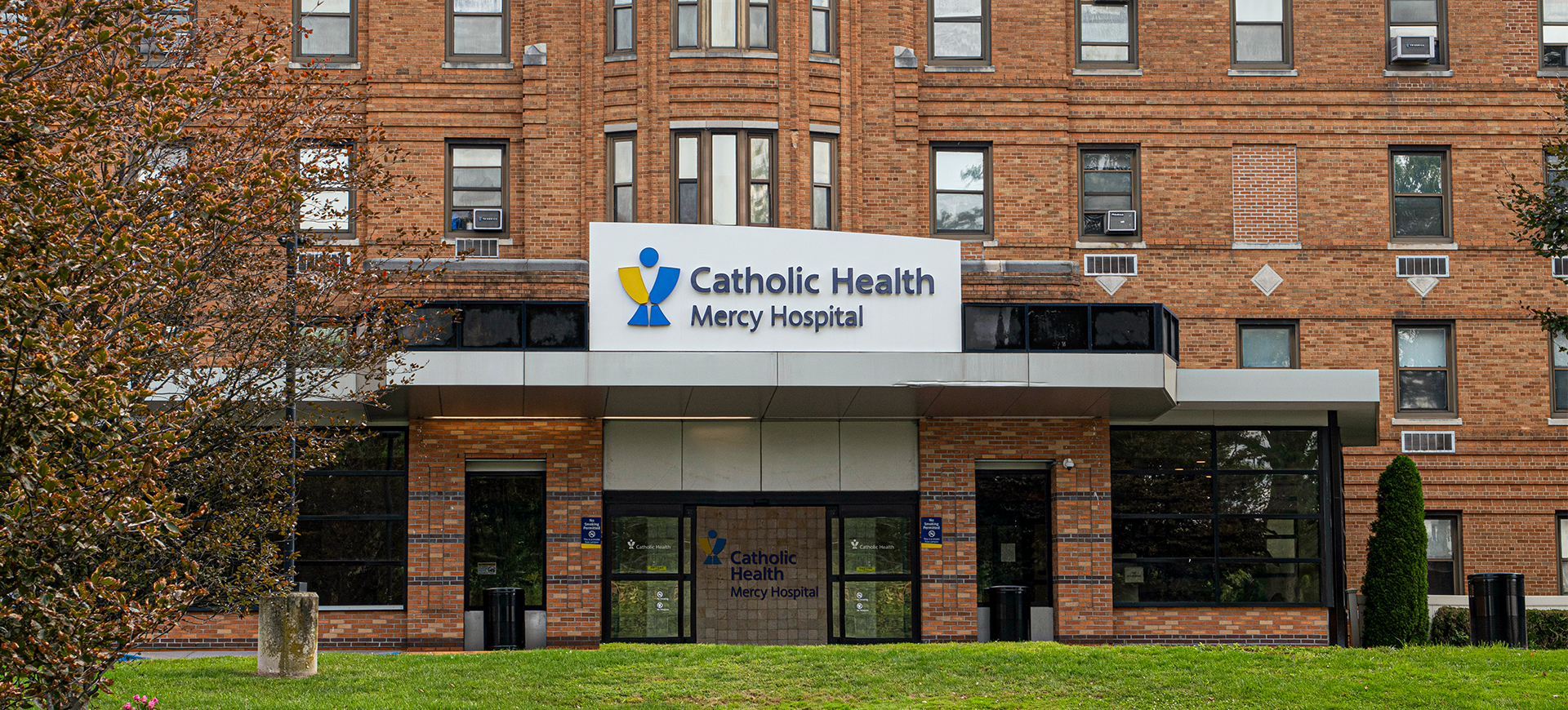
The Cancer Institute at Mercy Hospital
Rockville Centre, NY

St. Francis Hospital Radiation Medicine (Oncology)
East Hills , NY
Good Samaritan University Hospital Radiation Medicine (Oncology)
West Islip, NY

 Edge
Edge Chrome
 Safari
 Firefox