
 Find a Doctor
 Find a Location
 Programs & Services
 Appointments & Video Visits
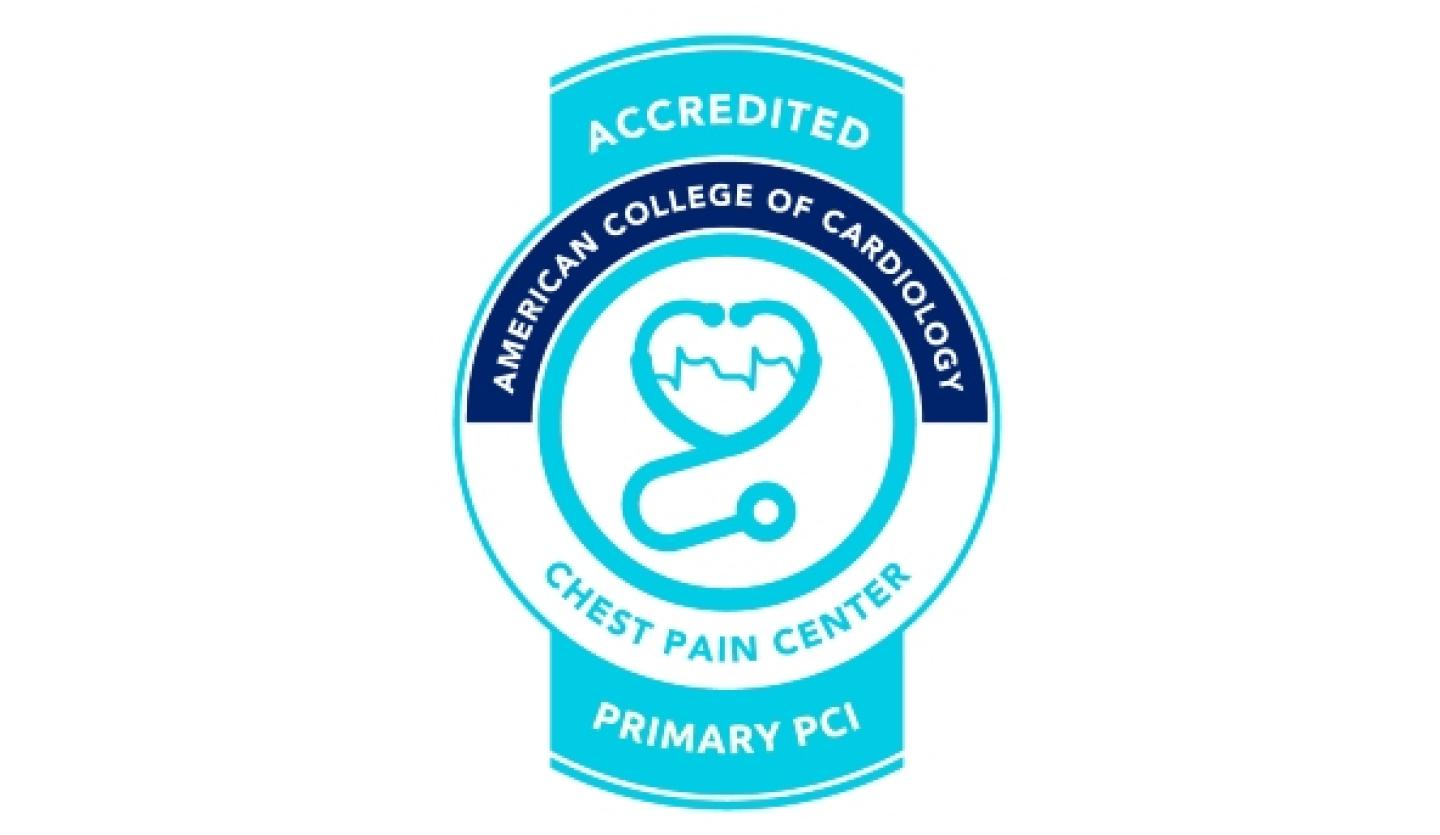
Good Samaritan was recognized for providing high quality care, resources to patients with heart attack symptoms
The American College of Cardiology has recognized The St. Francis Heart Center at Good Samaritan University Hospital for its demonstrated expertise and commitment in treating patients with chest pain. Good Samaritan was awarded Chest Pain Center Accreditation with Primary PCI in December 2025 based on rigorous onsite evaluation of the staff’s ability to evaluate, diagnose and treat patients who may be experiencing a heart attack. The hospital is the only facility on the south shore of Long Island to earn this recognition.
According to the Centers for Disease Control and Prevention, more than 730,000 Americans suffer a heart attack each year. The most common symptom of a heart attack for both men and women is chest pain or discomfort. However, women are more likely to have atypical symptoms. Other heart attack symptoms include, but are not limited to, tingling or discomfort in one or both arms, back, shoulder, neck or jaw, shortness of breath, cold sweat, unusual tiredness, heartburn-like feeling, nausea or vomiting, sudden dizziness and fainting.
Percutaneous coronary intervention (PCI) is also known as coronary angioplasty. It is a non-surgical procedure that opens narrowed or blocked coronary arteries with a balloon to relieve symptoms of heart disease or reduce heart damage during or after a heart attack.
“Good Samaritan University Hospital has proven exceptional competency in treating patients with heart attack symptoms, with a focus on quality, safety and access to primary PCI 24/7, every day of the year,” said Good Samaritan University Hospital President Justin Lundbye, MD, MBA, FACHE. “By earning ACC Chest Pain Center with Primary PCI Accreditation, our specialized cardiac team meets and exceeds the criteria of the accreditation designation, complies with standard Chest Pain Center protocols and are equipped with a robust hypothermia program for post-cardiac arrest treatment. Good Samaritan is a destination of choice for out-of-hospital cardiac arrest patients. Our ‘No Diversion Policy’ means you will receive all the heart care you need here, without being transferred elsewhere.”
Hospitals receiving Chest Pain Center with Primary PCI Accreditation from the ACC must take part in a multi-faceted clinical process that involves: completing a gap analysis; examining variances of care, developing an action plan; a rigorous onsite review; and monitoring for sustained success. Improved methods and strategies of caring for patients include streamlining processes, implementing of guidelines and standards, and adopting best practices in the care of patients experiencing the signs and symptoms of a heart attack. Facilities that achieve accreditation meet or exceed an array of stringent criteria and have organized a team of doctors, nurses, clinicians, and other administrative staff that earnestly support the efforts leading to better patient education and improved patient outcomes.
“Good Samaritan University Hospital has demonstrated its commitment to providing residents of Suffolk and eastern Nassau Counties with excellent heart care,” said Deepak L. Bhatt, MD, MPH, FACC, chair of the ACC Accreditation Management Board. “ACC Accreditation Services is proud to award Good Samaritan with Chest Pain Center with Primary PCI Accreditation.”
Good Samaritan University Hospital is the flagship Suffolk County hospital and tertiary care hub for Catholic Health, providing premier services across its continuum of care. The hospital is home to the Gary H. Richard and Family Stroke & Brain Aneurysm Center of Long Island, Verified Adult Level 1 and Pediatric Level 2 trauma centers, the St. Francis Heart Center and the Catholic Health Cancer Institute at Good Samaritan University Hospital. The hospital’s $500 million Patient Care Pavilion—which features a new emergency department, state-of-the-art operating rooms and private patient rooms—opened on December 14, 2025, further enhancing its capacity to deliver high-quality, patient-centered care.

 Edge
Edge Chrome
 Safari
 Firefox