Why Women Are at Higher Risk for Stroke
Stroke can happen to anyone, but women have unique biological and lifestyle factors that increase their risk:
- Age — Women live longer on average, and the older you are, the higher your risk.
- Birth control (oral contraceptives) — Estrogen-based pills may make your blood more prone to clotting and slightly raise stroke risk.
- High blood pressure (hypertension) — About 44% of women have high blood pressure, a leading cause of stroke.
- Menopause — Changes that occur around menopause age can impact heart and blood vessel health. As estrogen levels fall, blood pressure and cholesterol can rise.
- Migraines with aura — These migraines are more common in women and can affect the blood vessels in your brain.
- Pregnancy and childbirth — High blood pressure during pregnancy (preeclampsia) or gestational diabetes can raise stroke risk during and after pregnancy.
Other Factors That Affect Stroke Risk
Beyond female-related factors, other health conditions can raise your stroke risk:
- Diabetes
- Family history of stroke
- Heart disease
- High cholesterol
- Irregular heartbeat (atrial fibrillation)
- Sleep apnea
Unhealthy lifestyle choices also play a big role. Smoking, heavy alcohol use, poor diet, stress and inactivity can increase your stroke risk over time.
The best thing you can do to protect yourself is to know your numbers. Keep track of your blood pressure, cholesterol and blood sugar levels, and talk with your physician about what they mean for you.
Recognizing the Warning Signs of Stroke
When it comes to stroke, speed saves lives. Use the acronym ‘BE FAST’ to help remember the signs:
- Balance — sudden dizziness or loss of balance
- Eyes — blurred or double vision
- Face — one side of the face droops
- Arms — one arm feels weak or numb
- Speech — slurred or strange speech
- Time — call 911 immediately
Signs of a mini-stroke are similar to a full stroke, but they typically only last a few minutes.
Stroke Symptoms That Can Look Different in Women
Women sometimes experience less typical stroke symptoms, which can delay diagnosis and treatment. These may include:
- Chest pain
- Confusion
- Fainting
- Hiccups
- Nausea or vomiting
- Racing heartbeat
- Severe headache
- Shortness of breath
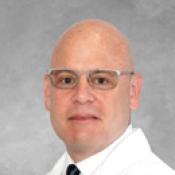
“If something feels off — even if it is not the classic one-sided weakness — get medical help immediately,” Dr. Mayerson advised. “Stroke treatment is most effective within the first few hours, so it is always better to err on the side of caution.”
How to Prevent Stroke
The good news is that up to 80% of strokes are preventable with healthy habits and regular medical care. Try these small steps to lower your risk:
- Avoid smoking and vaping — Quitting dramatically reduces your risk within just a few years.
- Eat heart-healthy foods — Fill your plate with fruits, veggies, whole grains, lean proteins and healthy fats. Following a Mediterranean diet is best.
- Limit alcohol — Drinking too much raises blood pressure and increases irregular heart rhythms. Experts recommend no more than one drink a day for women.
- Manage blood pressure — Monitor it regularly and take medications as prescribed.
- Manage chronic conditions — Keep up with medications and regular checkups for diabetes, cholesterol and other conditions.
- Stay active — Even 30 minutes of walking most days can keep your heart and blood vessels strong.
- Talk with your physician — Discuss any hormonal medications, migraines or family history that could influence your risk.
Early Treatment Saves Lives
If a stroke happens, fast treatment can save brain function and prevent lasting damage. Once at the hospital, physicians will use scans to find out what kind of stroke it is and start treatment right away.
If it is an ischemic stroke, they will use emergency intravenous (IV) medicine, called tissue plasminogen activator (tPA), to dissolve the blood clot and restore blood flow to the brain. This medication works best when administered within a few hours of symptom onset. Some patients may need a thrombectomy, a procedure to remove the clot from an artery or vein.
If it is a hemorrhagic stroke, treatment focuses on stopping the bleeding and reducing pressure in the brain, sometimes with surgery. Afterward, recovery often includes rehabilitation:
- Physical therapy for strength and movement
- Occupational therapy to help with daily tasks
- Speech therapy for communication and swallowing
- Mental health support to address anxiety, depression or fatigue
Life After a Stroke
Recovering from a stroke is not just physical. It is emotional, too. Many women feel anxious or frustrated as they rebuild their strength and routines. That is normal. Healing takes time, and it is okay to ask for help.
Surround yourself with supportive people, join a stroke recovery group and stay in close contact with your care team. Small improvements matter and celebrating progress can help you stay motivated.
If you or someone you love shows signs of a stroke, call 911 immediately.

 Find a Doctor
 Find a Location
 Programs & Services
 Appointments & Video Visits

 Edge
Edge Chrome
 Safari
 Firefox