6 Signs You Should See a Spine Specialist
1 - Your Mobility and Flexibility Have Decreased
Serious back problems can cause you to lose mobility quickly, which can impact your quality of life. Whether you’re struggling to walk, exercise or carry objects, there may be a more serious underlying issue. If you notice rapid changes to your mobility, it is important to see a spine specialist so they can identify the problem.
2 - You Have Chronic, Unrelenting Pain
Many people with spinal problems experience intermittent discomfort and pain. However, if you are you are regularly experiencing intense and ongoing pain, a spine specialist can help. Pain that is unrelieved after more than a week of anti-inflammatory medications or steroids should also be evaluated by a spine specialist. Back pain accompanied by fever, chills, night sweats, and weight loss may also be an indication of a more serious condition.
3 - You Have a Serious Injury
A back injury with severe pain caused by an automobile accident, a fall, or other accident should be evaluated and treated by a spine specialist.
4 - Your Pain Stops You from Doing Things
If your back pain stops you from doing the things you normally do, including going to work and living your daily life, it is critical to make an appointment with a spine specialist.
5 - You are Experiencing Numbness, Tingling or Weakness
Nerve problems are a serious issue that can lead to permanent damage if left untreated. You may experience numbness in your back, legs, and feet. You may also feel sharp nerve pain that feels like tingling pins and needles in these areas. In some situations, it can also cause bladder and bowel incontinence.
6 - You Have a Spinal Deformity
Spinal deformities like scoliosis are relatively common. Scoliosis can range from mild to severe and affect mobility, flexibility, and daily life. Other conditions like kyphosis (rounding of the back) and osteoporosis (brittle bones in the spine) should also be treated by a spine specialist.
Consult with a Spine Specialist
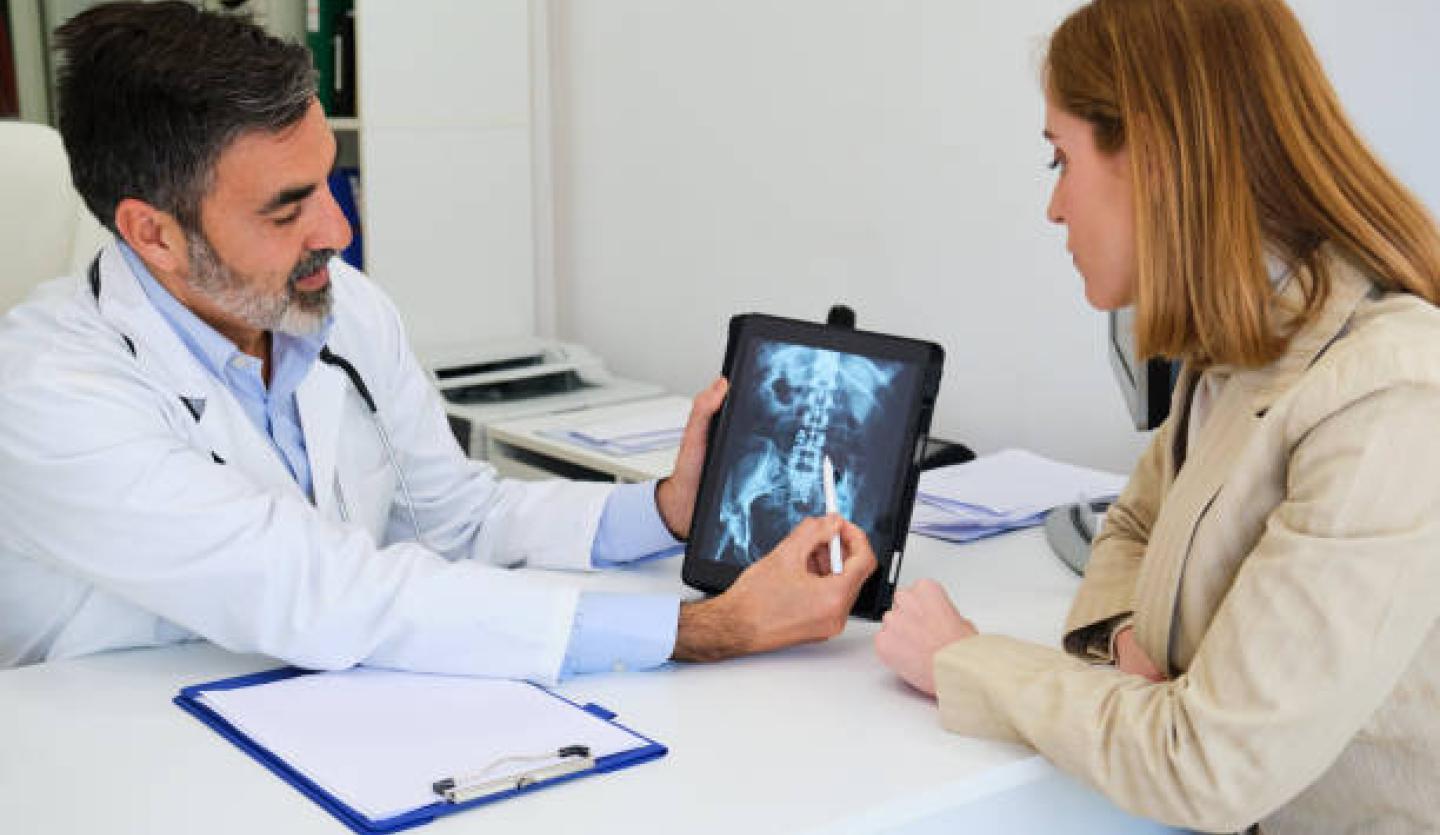
If you or a family member have been experiencing any of the symptoms or conditions above, a visit to a spine specialist can offer you additional treatment options that can relieve your pain and effectively treat your symptoms.
Spine Evaluation and Diagnosis
In addition to reviewing your medical history, the spine specialist may order the following imaging tests to help diagnose your condition:
- X-rays to check for arthritis, fractures, or alignment issues
- CT or MRI scans to identify herniated discs or musculoskeletal issues
- Nerve imaging tests
- Blood tests to check for infection
- Bone scans to identify any abnormal growths or tumors
Spine Treatment
Once you have been examined and fully evaluated, your physician will create a personalized treatment plan, specific to your needs.
While some conditions and injuries may require surgical repair, most treatment plans begin with conservative treatments that may include:
- Rest, ice, heating pads
- Lifestyle modifications
- Medications to reduce inflammation and decrease pain
- Injection-based treatments for pain management (nerve blocks, nerve ablations, and epidurals)
- Physical therapy
- Alternative treatments like chiropractic care, massage and acupuncture
If these treatments are not effective at reducing your pain or improving your condition over time, your doctor may suggest surgery to improve your symptoms and reduce degenerative damage. Depending on your condition, surgery may range from outpatient, minimally invasive spine surgery to complex reconstructive surgery.
If you have one or more of these symptoms, seek consultation from a specialty trained spine surgeon for further evaluation. Find expert spine and orthopedic care at Catholic Health.


 Find a Doctor
 Find a Location
 Programs & Services
 Appointments & Video Visits


 Edge
Edge Chrome
 Safari
 Firefox