You may be asking yourself: Should I donate blood? Am I eligible to donate blood? Why is it a good idea? Why is it not a good idea? Read on for tips that may help you decide whether and when to donate blood.
Four Reasons Why Giving Blood Is a Good Thing
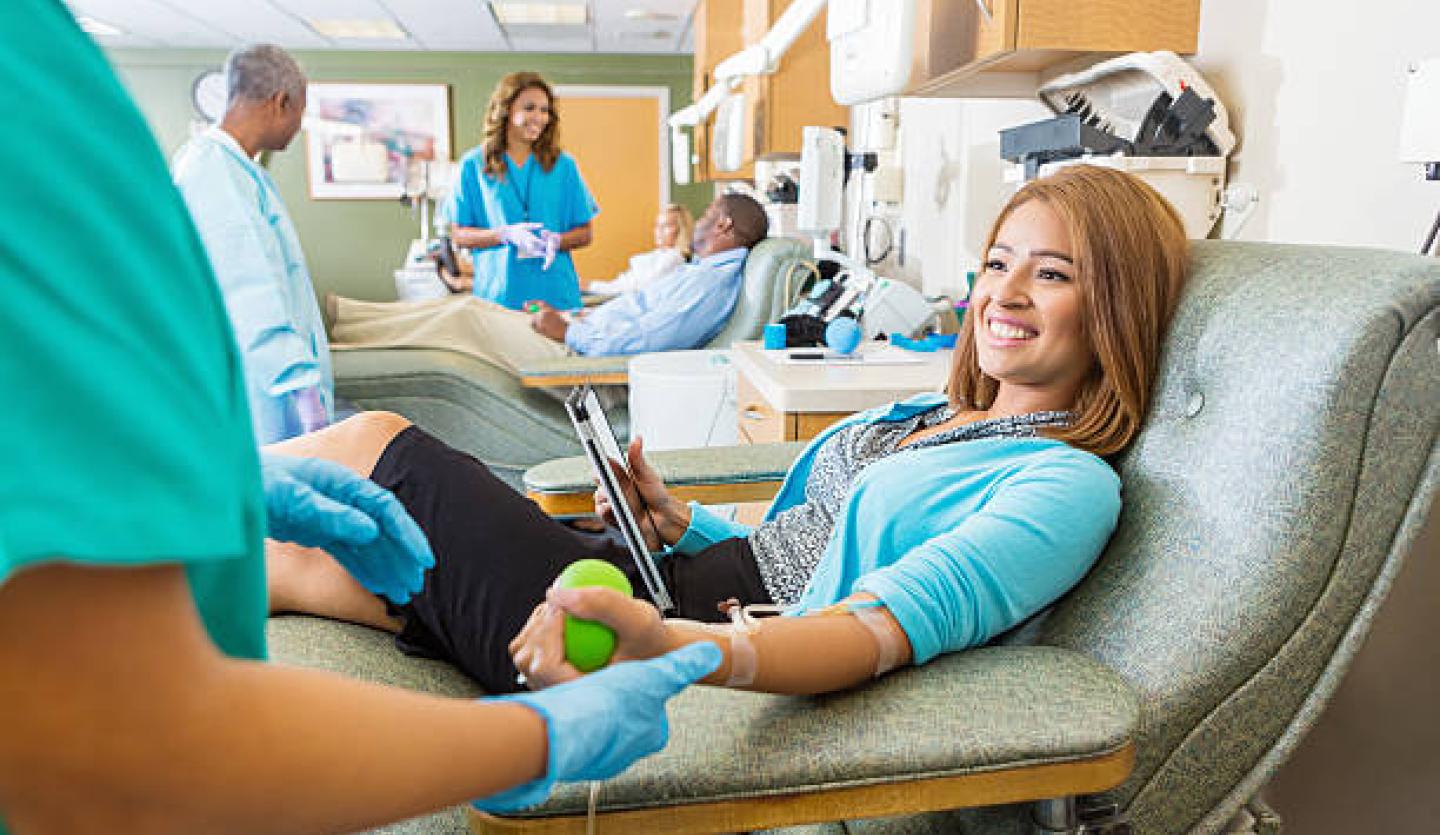
As a blood donor, you serve as an everyday hero. You join a compassionate community that helps keep hospitals ready to save lives. Here are just four of many reasons why giving blood matters.
1 - One Small Unit Has a Big Impact
In an hour or less, you can donate a unit of blood that can have a lasting impact on the people who receive it. And as a healthy adult, you can donate several times a year.
2 - Human Blood Cannot Be Manufactured
Science has created many lifesaving tools and advancements. But so far, there is no substitute for human blood. It must come from people who generously give blood to meet the constant need in hospitals and emergency care.
3 - Blood Has a Short Shelf Life
Units are tested and when they are ready to use for transfusions, they are labeled and stored. According to the American Red Cross, red cells are stored in refrigerators at 6ºC for up to 42 days. Platelets are stored at room temperature for up to five days. These short timeframes mean there is always a need for new blood donations.
4 - A Blood Supply Can Be Ready in an Emergency
Regular donations help keep a steady supply of blood available when there are mass accidents, natural disasters or unexpected shortages.
A Bonus Reason to Donate:
Giving blood can be good for your body as well as your spirit. That is because, as part of every blood donation, you get a free mini-health screening that can give you important insights into your health. When you donate, the staff will check your pulse, blood pressure and hemoglobin (a protein that helps your body replace new red blood cells that you lose when you donate).
Three Reasons You Might Not Donate Blood
Sometimes it is not a good time to donate blood. What you know beforehand can help you decide if you should. These reasons may affect when or if you donate.
1 - You Have Low Levels of Iron or Anemia
Whether you are anemic or have low iron without being anemic, you may need to wait until your condition changes. Giving blood while anemic can make the problem worse and could lead to weakness, fatigue and other symptoms.
2 - You Have Recently Traveled to Certain Countries
If you have been to countries with diseases like Zika virus or malaria, you may not qualify to donate blood for a certain amount of time. This helps protect transfusion recipients from getting infected.
3 - You Are Under Body Weight Limits
Blood volume for a donation is based on body weight and height. For your safety, you need to weigh at least 110 pounds to donate blood. If you have low blood volume, your body may not deal well with giving what is needed with a whole blood donation. However, there is no upper weight limit — your weight just cannot be higher than the limit of the donor lounge or bed you will use.
Even if you cannot give blood when you want to, you can still give something just as important: your time. Think about hosting a blood drive or volunteering.
Donating Blood Is Safe — and Lifesaving
It is safe to donate blood. “Equipment for taking blood is new, sterile and disposable for each donor,” says Dr. Huda. “There is no risk of getting a blood-borne infection when you give blood. Most healthy adults can donate about a pint without risking their health. Just a few days after you donate blood, your body replaces lost fluids.”
Every two seconds, a person needs blood for anything from cancer treatments to childbirth. Blood donations can save lives. If you are one of the eligible Americans who could donate blood this year, find your “why” among the many reasons to give, knowing that ultimately, you are helping others.


 Find a Doctor
 Find a Location
 Programs & Services
 Appointments & Video Visits



 Edge
Edge Chrome
 Safari
 Firefox