Parkinson’s Symptoms
Parkinson’s disease symptoms fall into two major categories: motor and non-motor.
Motor symptoms typically begin on one side of the body and progress over time. They include:
- Balance problems
- Stiffness
- Slow movement
- Tremors (often at rest)
Non-motor symptoms can develop years before movement problems show. These may include:
- Anxiety
- Constipation
- Depression
- Fatigue
- Hallucinations
- Loss of smell
- Sleep issues (Dream Enactment)
Parkinson’s itself is not fatal, but complications related to the disease can be life-threatening.
How Parkinson’s Progresses over Time
Parkinson’s usually progresses over 10 to 15 years or longer.
- In the early stages, symptoms are mild and do not significantly interfere with daily life.
- In the middle stage, people with Parkinson’s develop more noticeable symptoms such as stiffness, tremors and speech issues. These symptoms may affect independence.
- In the advanced stage, Parkinson’s severely impairs mobility and balance. Complications such as dementia may arise.
- Early diagnosis and proactive care can help slow the progression of symptoms and maintain independence.
What Causes Parkinson’s Disease?
Parkinson’s disease develops when the brain loses nerve cells that produce dopamine. Dopamine is a chemical that helps regulate movement. Without enough dopamine, movement becomes slower and less controlled.
Experts do not know why some people develop Parkinson’s while others do not. However, they know that certain factors may increase a person’s risk:
- Age — Parkinson’s typically begins after 60.
- Family history — Genetics can play a role.
- Gender — Men are more likely than women to develop Parkinson’s.
- Environmental exposures — Contact with toxins, such as pesticides, may increase your risk.
How Physicians Diagnose Parkinson’s Disease
There is no single, definitive test for Parkinson’s. Physicians make a diagnosis by conducting a neurological exam, taking a thorough medical history and observing the patient’s motor symptoms. They may also use imaging or blood tests to rule out other conditions.
New Methods of Diagnosing the Disease
Skin biopsies and even ear wax sampling may hold the key to earlier and more definitive diagnoses. Testing methods are currently being developed to detect the abnormal protein in these samples that serves as the pathological characteristic of Parkinson’s disease and other related diseases.
Living with Parkinson’s Disease
Living with Parkinson’s disease can be challenging as you manage changes in your mobility, speech, eating and independence. Staying active, eating a healthy diet and engaging in social activities can make a big difference. A team of different specialists can support you from the earliest stages.
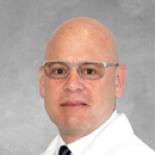
“Parkinson’s does not just affect movement. It also impacts the whole person, including their emotional well-being,” Dr. Mayerson explains. “You need a care team that can help you navigate the physical and emotional challenges ahead.”
Management and Treatments
While there is currently no cure for Parkinson’s disease, treatments can significantly improve quality of life. Care is highly individualized and may include:
- Lifestyle changes, such as regular exercise, proper nutrition and good sleep habits.
- Therapies, including physical, occupational and speech therapy.
- Supportive services, like counseling and caregiver resources.
- Medications, such as levodopa, which help manage motor symptoms.
- Surgical options, including deep brain stimulation, for select patients with advanced disease.
How Catholic Health Supports People Dealing with Parkinson’s Disease
Catholic Health takes a multidisciplinary approach to helping people with Parkinson’s. We offer comprehensive services for Parkinson's disease, with a team of experts that includes:
- Board-certified neurologists and fellowship-trained movement disorder specialists
- Board-certified and fellowship-trained neurosurgeons
- Neuropsychologists
- Physiatrists (physicians who specialize in rehabilitation and recovery)
- Certified occupational, physical and speech therapists
- Social workers
Our Team is Here to Help
Although Parkinson’s is a progressive condition, many people can live meaningful and fulfilling lives with the right care. Consulting a neurologist or movement disorder specialist is crucial. They can provide an accurate diagnosis and effective treatment planning.
If you or a loved one is experiencing Parkinson’s symptoms, talk with your physician about a neurological evaluation.


 Find a Doctor
 Find a Location
 Programs & Services
 Appointments & Video Visits



 Edge
Edge Chrome
 Safari
 Firefox