

 Find a Doctor
 Find a Location
 Programs & Services
 Appointments & Video Visits
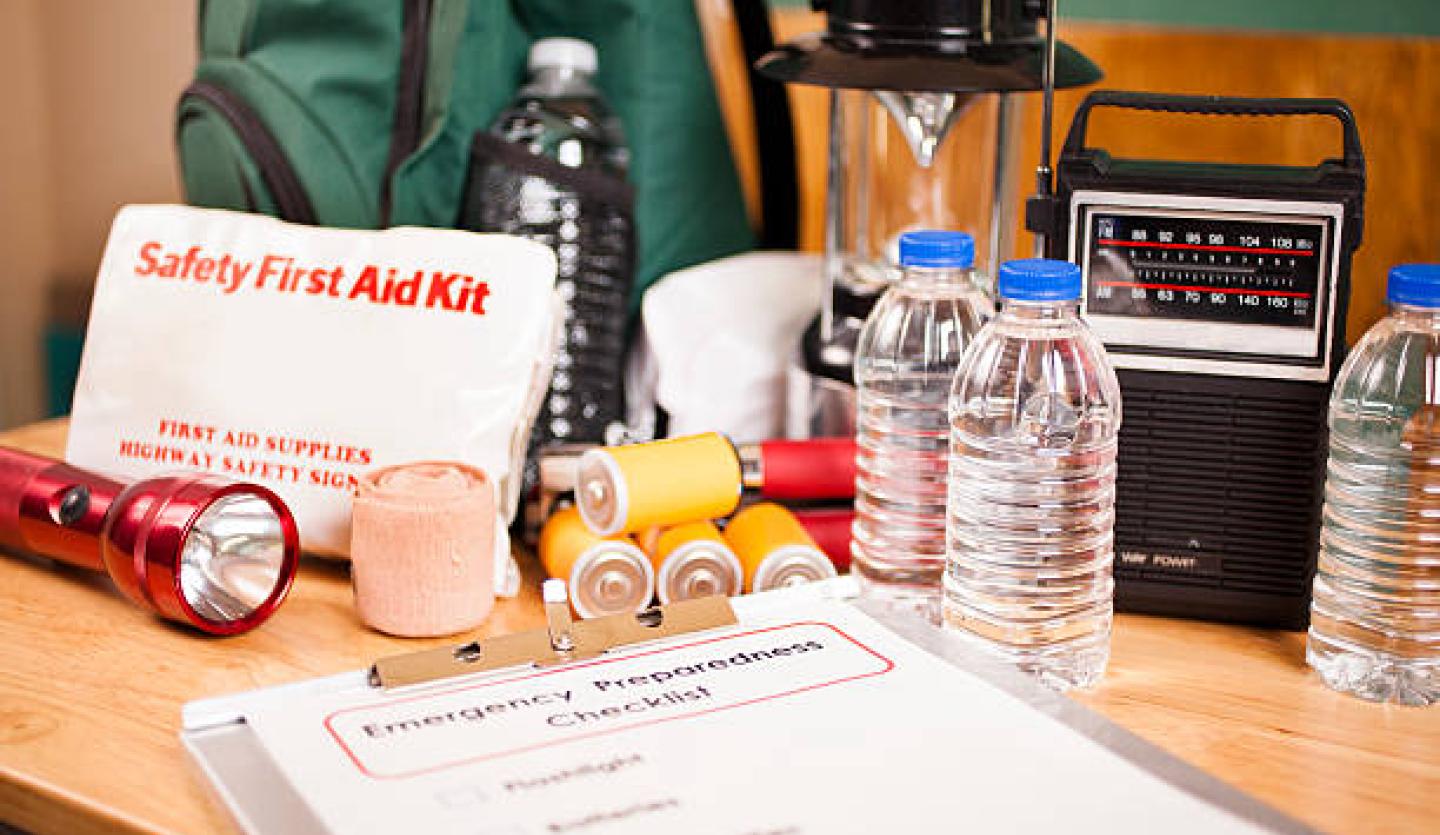
During and after an emergency, you and your family may need to survive on your own for several days. To be prepared for an unexpected emergency whether it is related to a weather event like a hurricane, a major power outage (blackout), or other unpredictable circumstances, you should have enough food, water and other supplies to last for several days.
An emergency preparedness or disaster supply kit is a collection of basic household items and other supplies you may need in the event of an unforeseen emergency. Keep these supplies in an easy-to-carry container or duffel bag that you can use at home or quickly take with you in case you must evacuate.
What Should You Put in an Emergency Kit?
According to the Federal Emergency Management Agency (FEMA) and the Red Cross, your emergency survival kit should have the basic supplies listed below.
- Water: One gallon per person per day (3-day supply for evacuation and 2-week supply for home)
- Food: Non-perishable food items - At least a 3-day supply (Include a can opener if canned goods are stored.)
- Infant formula and baby bottles
- Flashlight and extra batteries
- Crank-powered or battery powered radio. During an emergency, especially a weather-related disaster, a radio is the best way to get reliable updates.
- First aid items - Bandages, cold packs, antibiotic cream, insect repellent, pain medications like ibuprofen and acetaminophen
- Prescription medications
- Health and hygiene supplies - Disinfectant wipes, sanitizer, baby wipes, diapers, personal hygiene items, feminine products, N-95 masks, bleach and trash bags
- Reusable water bottles
- Whistle (to signal for help)
- Fire extinguisher
- Waterproof plastic bag with copies of important documents, bank account information, insurance cards, medical and prescription information
- Cash
- Phone chargers - regular and solar chargers
- Local maps
- Matches in a waterproof container
- Lightweight, waterproof blankets
- Books, games, puzzles or other activities for children
- Pet supplies - 3-day supply of dry food, collar, leash, any medications, and litter box supplies
Everyday Items to Gather Last Minute– In Case You are Evacuated
- Driver’s license
- Cell phones
- Car keys and house keys
- Eyeglasses and Contact Lenses
- Coat or jacket
- Complete change of clothing and sturdy shoes (for each person)
- Prescription medications
Maintaining Your Kit
After you assemble your kit, remember to keep it maintained so it is ready when you need it. Keep your kit in a cool, dry place that is easily accessible. Put a yearly reminder on your calendar to check your kit and make sure everything is still up-to-date and items are not expired. Reevaluate the items in your kit every year as your family’s needs change.
Emergency Kit for Your Car
It is also a good idea to keep a smaller, emergency supply kit in your car, in case you are ever stuck or stranded. An emergency car kit should include:
- Water
- Non-perishable food items like granola bars and protein bars
- Blanket
- Hat and gloves
- First aid kit with bandages and antibiotic cream
- Map
- Cell phone charger
- Jumper cables
- Ice scraper
- Flares
- Sand or cat litter for traction
Be Prepared
Disasters and emergencies often strike unexpectedly. Assembling an emergency kit in advance ensures you will have what you need for you and your family, and it can reduce stress and uncertainty during a crisis.
Find Care at Catholic Health
Find a Catholic Health doctor near you. Or call 866-MY-LI-DOC (866-875-3117).
For convenient urgent care, visit a Catholic Health Urgent Care location.

 Edge
Edge Chrome
 Safari
 Firefox