

 Find a Doctor
 Find a Location
 Programs & Services
 Appointments & Video Visits
Legionnaires' disease is a serious type of pneumonia caused by the Legionella bacteria. You can get Legionnaires' disease if you breathe in mist that contains the bacteria. It can affect the lungs, brain and gastrointestinal tract. Legionella also causes Pontiac fever, a less serious illness with flu-like symptoms. Legionnaires’ disease can be life-threatening to certain people.
Why is it called Legionnaires’ disease?
The disease got its name in 1976 from an outbreak in Philadelphia among people attending a state convention of the American Legion. This led to the name, "Legionnaires' disease." As a result, the bacteria causing the illness was named Legionella pneumophila and the name of the illness was changed to Legionellosis. While the bacteria was first identified in 1976, earlier cases have been confirmed as far back as 1947.
How is it spread?
The disease is spread through the air from a soil or water source. You can get Legionnaires’ disease by breathing in mist that has been contaminated with the bacteria or from getting contaminated water in your lungs. It is not spread from person to person.
The Legionella bacteria is found naturally in streams, lakes and moist soil, but it can also contaminate drinking water and air systems, especially in large buildings. You can be infected by breathing in small droplets of water directly into your lungs or if you accidentally get contaminated water in your mouth.
You can also get Legionnaire’s disease from:
- Dirt (soil)
- Hot tubs
- Shower heads and faucets
- Humidifiers
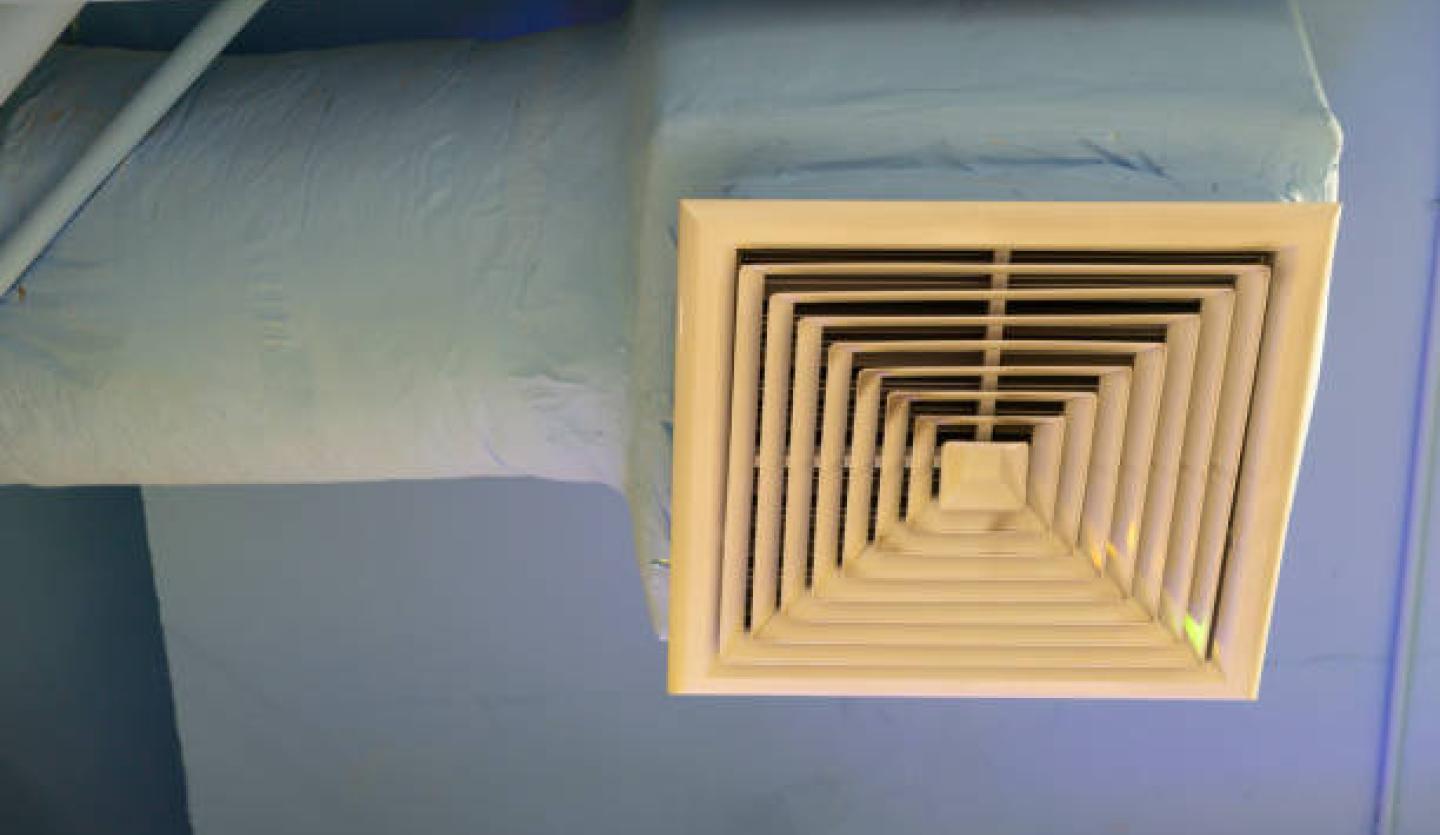
- Heating and cooling systems (usually in large buildings)
- Intubation during surgery
According to the New York State Department of Health (NYSDOH), “Cases occur sporadically and in outbreaks. Outbreaks occur most often in the summer but cases can occur all year round.”
Symptoms of Legionnaires' disease
The NYSDOH states, “Legionnaires' disease can be a mild respiratory illness or it can be severe enough to cause death.” The early symptoms of Legionnaires' disease may be flu-like with muscle aches, headache, fatigue and dry cough. Additional symptoms may include:
- Fever (Up to 104°F)
- Chills
- Shortness of Breath
- Loss of Appetite
- Vomiting
- Diarrhea
- Abdominal Pain
- Confusion
The incubation period for Legionnaires' disease symptoms is usually about five to six days but it can be as long as two weeks. Some people that are infected with the Legionella bacterium experience mild symptoms or no illness at all.
Who is at Risk?
Most people don’t get Legionnaires’ disease, even if they have been exposed to the Legionella bacteria. Healthy individuals may develop mild symptoms and recover quickly. However, those at higher risk of getting seriously ill include:
- People 50 years of age or older
- Current or former smokers
- People with chronic lung disease (like COPD or emphysema)
- People with weakened immune systems
- Organ transplant recipients
Life threatening complications may occur in high-risk patients, including:
- Respiratory failure
- Acute kidney failure
- Encephalopathy (Neurological problems)
- Inflammation of the heart
- Muscle damage
Diagnosis and Treatment of Legionnaires' disease
Legionnaires' disease is diagnosed through urine or sputum tests to look for signs of the Legionella bacteria. Blood tests may also be performed. In addition, imaging tests including chest X-ray or CT scan may be performed if pneumonia is suspected.

“Legionnaires' disease can be treated with antibiotics and most healthy people who get infected usually get better. The key is to seek treatment as soon as you experience symptoms.”

Dr. Alan Bulbin, MD

 Edge
Edge Chrome
 Safari
 Firefox