What Is a Blood Clot?
Clotting is how your body stops bleeding when you get hurt. Once the injury heals, your body usually dissolves the clot on its own. Problems start when a clot forms where it should not or does not dissolve.
Blood clots can form in two kinds of blood vessels:
- Veins — Veins carry blood back to your heart. A clot in a vein slows that blood flow and can cause pain and swelling. Physicians call clots in the veins venous thromboembolism.
- Arteries — Arteries carry oxygen-rich blood from your heart to the rest of your body. Clots in arteries often form on fatty buildup called plaque and can block blood flow to your heart or brain.
Why Early Detection Saves Lives
Every minute counts when you have a blood clot. A blood clot in the leg can break loose and travel to the lungs. Each year, 60,000 to 100,000 Americans die from clots in their veins. About 1 in 4 people with a clot in the lungs die suddenly, with no warning signs beforehand.
Clots in arteries are just as urgent. Stroke treatments work best when they begin within three hours of the first symptoms. For a heart attack, the sooner you get to the emergency department, the less damage there is to your heart muscle.
Some clots cause no symptoms. About half of people with a clot in a deep vein never notice a warning sign. So, if your body does give a warning sign, take it seriously.
Signs of a Blood Clot Based on Where It Forms
In Your Leg or Arm
A clot in a deep vein, called deep vein thrombosis (DVT), most often forms in the lower leg, thigh or pelvis. It can also form in the arm. Watch for these blood clot symptoms in the affected limb:
- Swelling
- Pain or tenderness
- Warmth
- Redness or discoloration
In Your Lungs
When a clot reaches your lungs, it is called a pulmonary embolism (PE). People often mistake PE symptoms for a heart attack. Call 911 if you have:
- Trouble breathing
- A fast or irregular heartbeat
- Chest pain that gets worse when you take a deep breath or cough
- A cough or coughing up blood
- Lightheadedness or fainting
In Your Heart
A clot that blocks blood flow to your heart can cause a heart attack. Call 911 if you have:
- Chest pain or discomfort that lasts more than a few minutes
- Pain or discomfort in your jaw, neck or back
- Pain or discomfort in one or both arms or shoulders
- Shortness of breath
- Weakness, lightheadedness or fainting
Women are more likely to feel unusual tiredness, nausea or vomiting, either along with chest pain or instead of it.
In Your Brain
A clot that blocks blood flow to your brain can cause a stroke. A sudden, severe headache with no known cause may be a sign of stroke, however the signs, risks and causes of a stroke may vary. Learn more about the signs and symptoms of a stroke.
In Your Abdomen
A clot in a vein or artery in your belly can cause severe abdominal pain, vomiting or diarrhea. Get medical care immediately if the pain is intense or the symptoms do not go away.
Who Is at Risk for Blood Clots?
Anyone can get a blood clot, but some things make it more likely. Knowing what causes blood clots can help you tell when your risk is higher.
- After surgery — Major surgery on the abdomen, pelvis, hips or legs makes clots more likely. Your risk stays higher for about 90 days after surgery.
- During bed rest or a hospital stay — More than a third of clots in the veins follow a recent hospital stay.
- On long trips — Sitting for more than four hours on a plane, train or car ride slows blood flow in your legs.
- Certain medical conditions — Cancer and related treatments, heart disease, lung disease, diabetes, high blood pressure and inflammatory bowel disease all raise your risk.
- Higher estrogen levels — Pregnancy, up to the first three months after giving birth, birth control that contains estrogen and hormone replacement therapy can raise your risk.
- Personal or family history — Experiencing a prior blood clot, or having a relative who did, puts you at higher risk.
Your everyday health plays a part in your risk factors too. Smoking, carrying extra weight and getting older can all raise your risk.
What to Do If You Think You Have a Blood Clot
If something feels wrong, do not wait to see if it gets better. The right next step depends on your symptoms. Call 911 or your physician if you experience the following:
- Chest pain, trouble breathing or signs of stroke — Call 911. Do not drive yourself or let someone else drive you to the hospital.
- Swelling, pain, warmth or redness in a leg or arm — Call your physician right away.
- Symptoms after surgery, a hospital stay or a long trip — Tell your care team about your recent surgery, hospital stay or trip. It helps them find the cause faster.
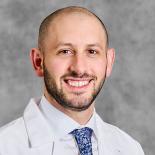
“With a blood clot, being cautious is exactly the right call. Hesitation can be fatal, as symptoms like deep vein thrombosis or pulmonary embolism demand immediate medical evaluation,” added Dr. Kessler. “Making a proactive, safety-first approach is essential to protecting your life.”
FAQ/People Also Ask
Can a blood clot go away on its own?
Some small clots dissolve on their own. Others can grow and cause serious problems. Only a physician can tell which kind you have, so do not wait it out.
Can you get a blood clot from sitting at a desk all day?
It is possible. Your risk goes up the longer you sit still, especially if you sit with your legs crossed.
Can blood clots come back?
Yes. About one-third of people with a blood clot in a vein will have another within 10 years. Your physician can help you lower your risk.
Find Care at Catholic Health
If you have signs of a blood clot in your lungs, a heart attack or a stroke, call 911 immediately.
For questions about your risk or leg symptoms, find a Catholic Health physician near you, or call 866-MY-LI-DOC (866-695-4362).

 Find a Doctor
 Find a Location
 Programs & Services
 Appointments & Video Visits


 Edge
Edge Chrome
 Safari
 Firefox