Mold and Respiratory Conditions
Asthma
Mold can make asthma worse. If you have asthma and breathe in mold spores, you may have symptoms more often or have more severe asthma attacks. The Centers for Disease Control and Prevention (CDC) also notes that some people who work in moldy places can develop work-related asthma. In some cases, their symptoms do not improve until they are away from the mold exposure.
Children may face a higher risk. Some research links mold exposure early in life with a higher chance of asthma in children who already have a genetic risk. That is why it is important to fix leaks, reduce moisture and remove mold in homes with young children.
Catholic Health provides classes to teach children and adults how to manage asthma and prevent asthma attacks. Learn more.
Hypersensitivity Pneumonitis
Heavy mold exposure over a prolonged period of time can sometimes lead to a serious lung condition called hypersensitivity pneumonitis. This happens when the immune system reacts to mold spores, causing lung irritation and inflammation. This condition is more common in people who work around moldy grain, hay or other damp materials.
Respiratory Infections
Mold-related lung infections are uncommon in healthy people. But they can be serious for people with weakened immune systems, chronic lung disease or conditions such as chronic obstructive pulmonary disease (COPD). If you have a condition that affects your immune system or lungs, talk to your physician before you clean mold or spend time in an area with heavy mold.
What About Black Mold?
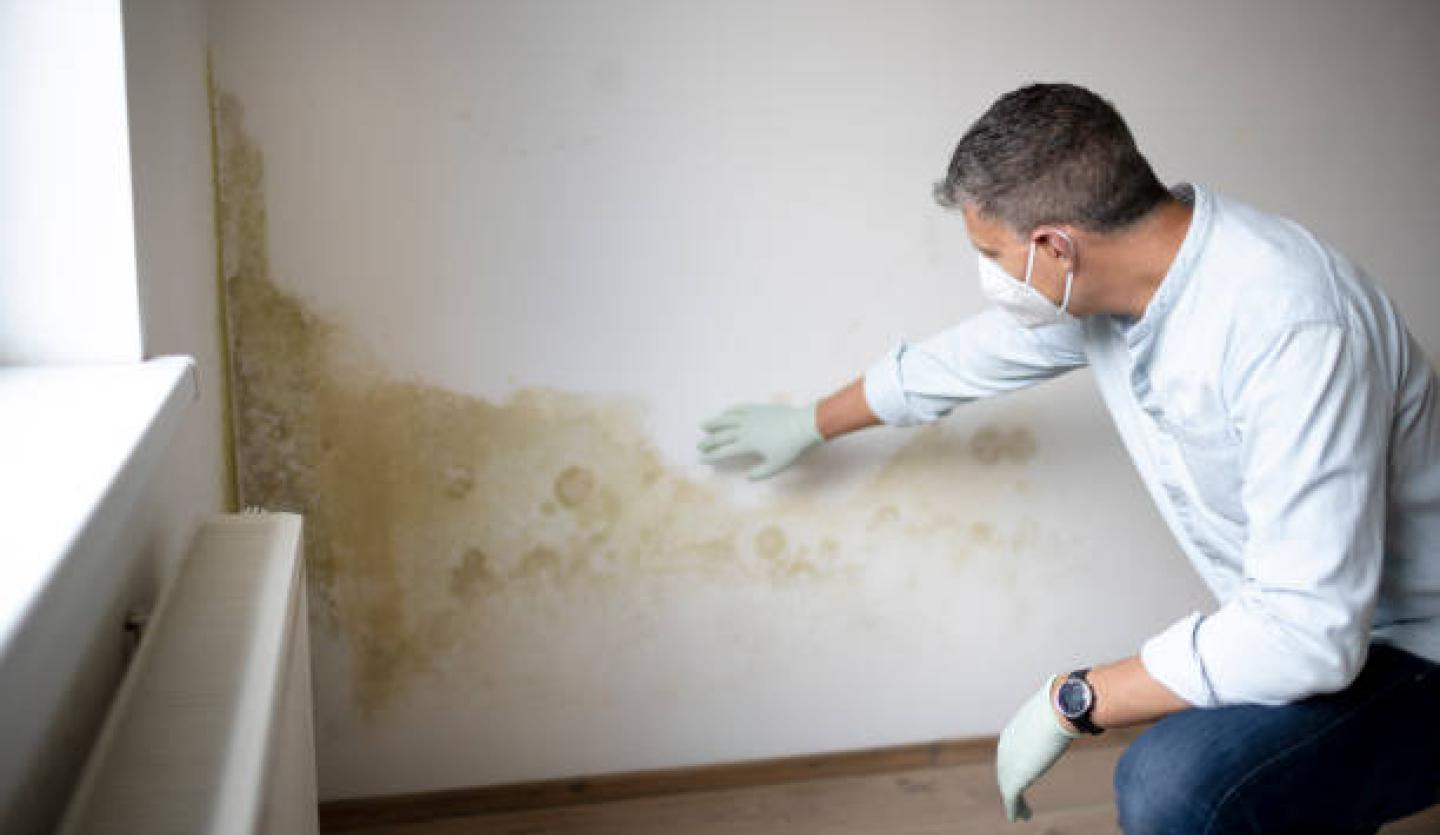
Many people worry most about black mold. That concern makes sense, but the color of mold does not tell you how risky it is. Black mold can cause symptoms like other indoor molds, such as allergy or asthma symptoms. But the CDC says there is not enough evidence to show that black mold causes unique or more severe health effects.
The next step is the same for any indoor mold — find the moisture source, fix it and remove the mold.
The CDC does not recommend routine mold tests. In most cases, test results do not change what you need to do. If you see or smell mold, identify the source. Fix the leak or moisture problem, then remove the mold safely.
Who Is Most at Risk
Mold can affect anyone, but some people have a higher risk. People at a higher risk include:
- People with mold allergies or other environmental allergies
- People with asthma or COPD
- Infants and young children
- Older adults
- People with weakened immune systems, such as those who have cancer, an organ transplant or HIV
If someone in your home is in one of these groups and you think mold may be present, fix the moisture problem right away.
Tips to Prevent Mold Growth in Your Home
Mold needs moisture to grow. The best way to prevent it is to keep your home dry. The U.S. Environmental Protection Agency recommends keeping indoor humidity between 30 and 50%. To reduce mold risk:
- Keep Humidity Under Control
Use a dehumidifier in damp areas, such as basements. A small humidity meter can help you check levels.
- Use Vents and Fans
Run exhaust fans in bathrooms, kitchens and laundry areas. Make sure dryers and fans vent outdoors. If you don’t have a fan, opening a window for several minutes after showering makes a meaningful difference.
- Fix Leaks Fast
Repair roof, pipe or window leaks as soon as possible. Mold can grow on wet materials within 24 to 48 hours.
- Dry Wet Areas Right Away
After a flood or major leak, remove wet carpet, drywall or insulation if it cannot dry fully. People with lung disease or weak immune systems should avoid cleanup.
- Reduce Condensation
Insulate cold pipes, windows and exterior walls to help stop moisture from collecting on cold surfaces.
When to See a Physician
See a physician if allergy or breathing symptoms do not improve with standard treatment, worsen at home, or start after water damage. People with asthma, chronic lung disease or weakened immune systems should seek care for any new or worsening breathing problems.
“We see patients who have been managing what they thought was chronic sinusitis or recurrent bronchitis for years,” said Dr. Schecter. “When we ask about their home environment, water damage often comes up. Treating the symptoms and fixing the source both matter and help people feel better.”
If you are experiencing persistent respiratory symptoms, allergy symptoms that do not improve, or breathing difficulties that may be related to mold exposure, a Catholic Health physician can help evaluate your symptoms and recommend the right next steps.


 Find a Doctor
 Find a Location
 Programs & Services
 Appointments & Video Visits



 Edge
Edge Chrome
 Safari
 Firefox