

 Find a Doctor
 Find a Location
 Programs & Services
 Appointments & Video Visits
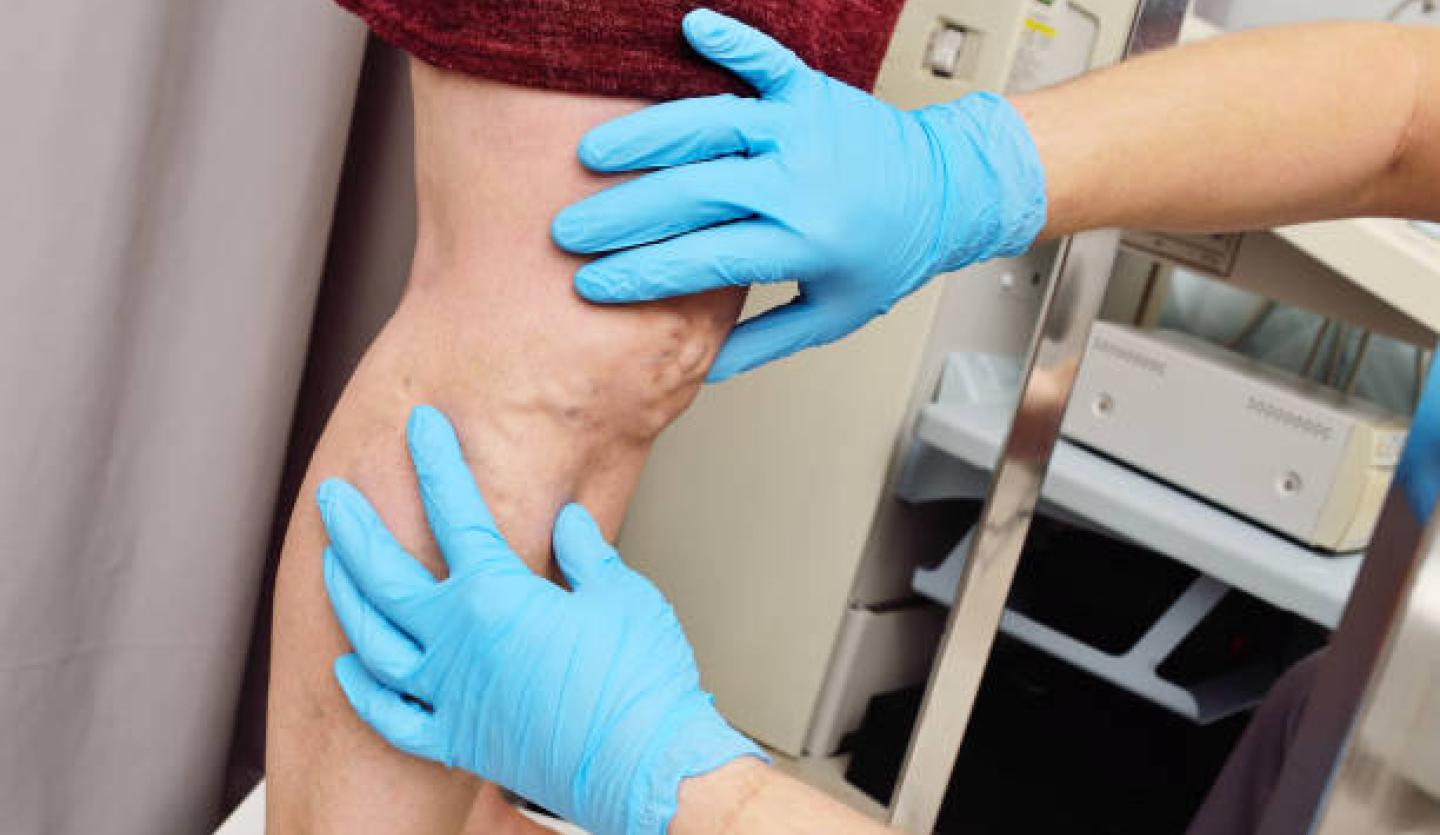
Varicose veins are enlarged veins that can be seen under your skin. They may be colorless and match your skin color or blue or purplish in color, and may bulge or look twisted, like ropes. They most often appear on the legs, ankles, and feet, but they can also appear on other parts of the body.
Varicose veins are often on the thighs, the backs and fronts of the calves, or the inside of the legs near the ankles and feet. During pregnancy, varicose veins can also appear around the inner thighs, lower pelvic area and backside.
As many as 40 million Americans have varicose veins. Many have no symptoms beyond their appearance. If varicose veins cause pain or fatigue, there are ways to treat them and find relief.
What Causes Varicose Veins?
Venous valve dysfunction is the underlying cause of varicose veins. Veins throughout your body carry blood back to the heart. Sometimes, the small valves that keep blood flowing in the veins in your legs become weak or damaged and blood can leak backward and pool in your legs. As pressure builds from the faulty valves, the veins near the surface of the skin stretch and bulge, and varicose veins are the result.
Venous valve dysfunction may be caused by:
- Genetics
- Obesity
- Trauma or injury
- Smoking or tobacco use
- Previous blood clots
- Hormonal changes from pregnancy or menopause
In some cases, varicose veins may occur without venous valve dysfunction.
What Are Spider Veins?
Spider veins are associated with the development of varicose veins. They are small, web-like clusters of veins that may appear red or blue and typically on the legs or face. While bleeding is much more common with large varicose veins, minor surface bleeding can still occur with superficial spider veins.
What Are Symptoms of Varicose Veins?
The most common symptoms of varicose veins, besides their bulging appearance, include:
- Cramping, particularly at night
- Feelings of tiredness, heaviness or achiness in the legs
- Redness, inflammation or sores on the skin around varicose veins
- Swelling, especially around the ankles

“Many people may have become so accustomed to the appearance of varicose veins that it doesn’t occur to them that the pain, swelling, or burning they feel could be related. If you experience any of these symptoms or bleeding from the vein, visit your physician promptly.”


 Edge
Edge Chrome
 Safari
 Firefox