
Skip navigation
What is Snoring?

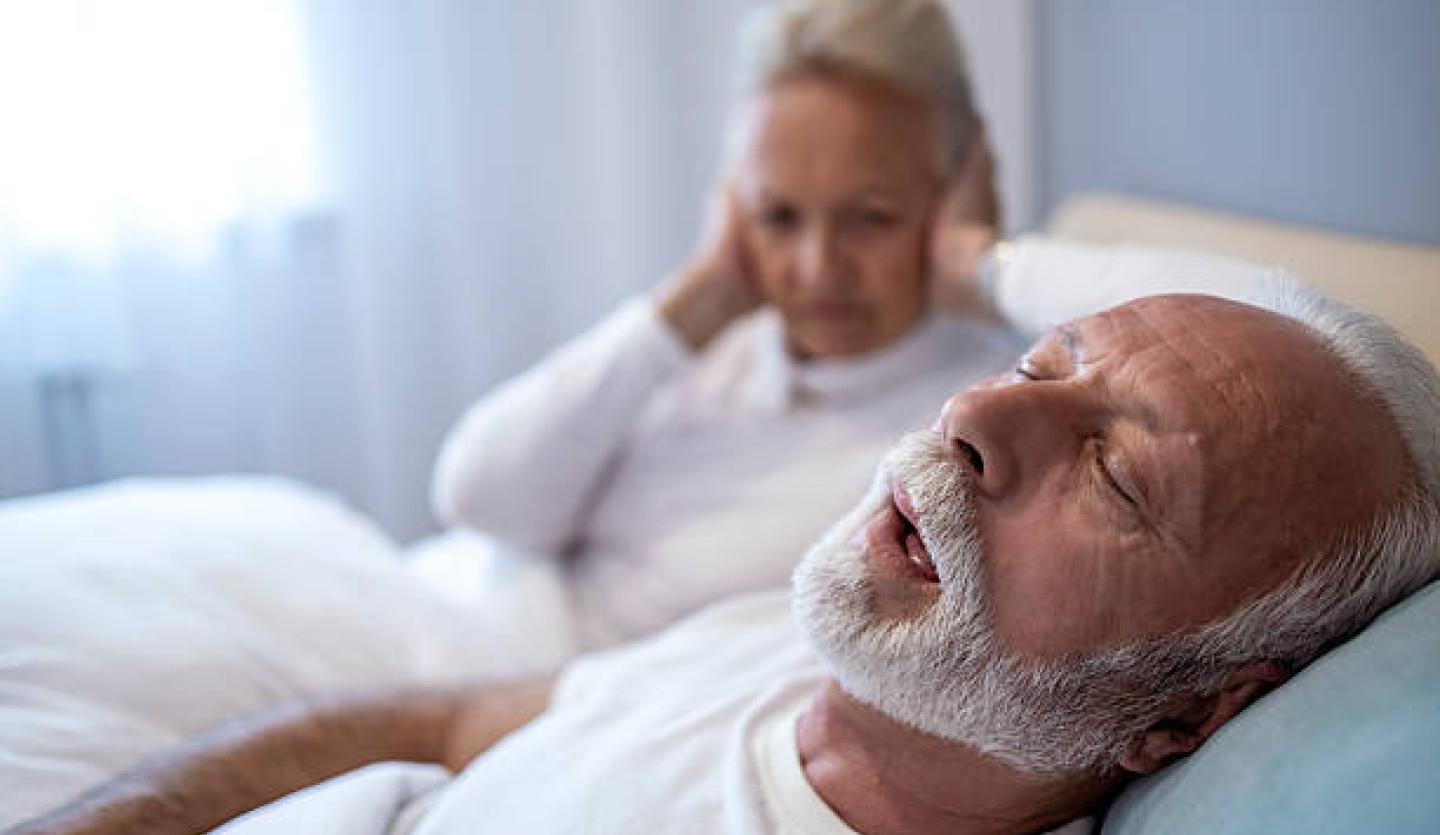
When you are asleep, the soft tissues in your throat and mouth, including the adenoids, tonsils, uvula, and other tissues, relax while your tongue falls backward, which can narrow the airway. As a result, air squeezes through these relaxed tissues instead of moving freely as you inhale and exhale.

As the air squeezes through this narrow passageway it can cause these soft tissues to vibrate and produce a rattling, wheezing or snorting sound, commonly known as snoring. The narrower the airway gets, the more the relaxed tissues vibrate and the louder the snoring can become.

Occasional snoring is usually no cause for concern. However, loud and frequent snoring, accompanied by pauses in breathing or gasping, could be a warning sign of obstructive sleep apnea or other serious health concerns. Obstructive sleep apnea is a serious condition that causes you to stop breathing frequently during sleep.

Causes of Snoring

According to the National Sleep Foundation, there are several factors that can contribute to snoring. They may include:

  • Being overweight - People who are overweight may have narrowed airways.
  • Alcohol Consumption - Drinking alcohol (especially before bed) relaxes the throat muscles and may reduce airflow and increase vibration.
  • Nasal Congestion - A cold, sinus issue, or allergies can cause snoring by blocking air flow.
  • A deviated septum (the cartilage wall between the nostrils is not centered) and may cause snoring.
  • Exhaustion - Being overtired can cause the airways to relax and cause the snoring vibration.
  • Certain medications can relax the throat muscles and lead to snoring.
  • Sleep Position - Sleeping on your back may cause the airways to narrow due to gravity.
  • Having a long uvula - The piece of flesh hanging from the back of your throat) can obstruct air, and cause snoring
  • Pregnancy – Women may snore more towards the end of pregnancy, when hormones increase and cause nose tissues to swell.
  • Advanced Age – As people get older the throat and tongue muscles weaken and may cause snoring.
quotation mark

Snoring is not always something you need to be concerned about. However, chronic snoring accompanied by excessive daytime sleepiness can be a sign of something serious. If you feel like your snoring is affecting the quality of your sleep and you feel tired and groggy all day, see your health care provider for a full evaluation. There are effective treatments available that can help to improve your quality of life.

David Warkentin RPSGT, CCSH, System Director at Catholic Health Sleep Service

Are There Ways to Reduce Your Snoring?

Certain lifestyle changes may help to ease snoring:

  • Reduce or eliminate your alcohol consumption, especially close to bed time.
  • Losing weight can help to open your airways more.
  • Change your sleep position. If you find you snore more when you sleep on your back, try sleeping on your side or raise your head with a pillow.
  • If snoring is caused by congestion, try using a saline nasal spray or taking a decongestant before bed. Always check with your health care provider if you start taking this medication on a regular basis.
Do Snoring Strips and Oral Appliances Work?
Snoring Strips

A snoring strip, also referred to as a nasal strip, is a strip with an adhesive backing that can be affixed externally to each side of the nose. The strip has two layers of plastic that pull outward, which help to open the nasal passages more widely. Some research has indicated that they can effectively reduce snoring in some people but they may not work for everyone.

Oral Appliances

Oral appliances are another type of device designed to reduce snoring. You wear the device (similar to a mouth guard) in your mouth to keep your airway open while you sleep. They generally work by pulling the lower jaw or tongue forward, so tissues do not fall back and narrow the airway. The most effective oral appliances are usually custom-fit by dentists but there are some types of over-the-counter appliances that are available. These devices can be effective but may not work for everyone.

What about Mouth Taping?

A recent trend popularized on social media is a process called mouth taping. Some people claim that it can it can help to prevent snoring while you are sleeping. What is it and does it work?

With mouth taping, before you go to bed you tape your mouth shut with medical-grade, adhesive tape so you are forced to breathe through your nose instead of your mouth. The theory behind mouth taping is that by forcing nasal breathing, you maximize your airway while you sleep. Sleeping with your mouth open may worsen snoring because it allows the tongue to fall back, which narrows the airway—and can increase snoring.

There is limited medical research on the benefits of this trend, but proponents of mouth taping claim that they experience less snoring, an improvement in dry mouth in the morning and they feel more rested.

This technique however, does not come without risks. If a person truly needs to breathe through their mouth while they sleep due to nasal obstruction or other reasons, mouth taping can lead to difficulty breathing at night. You may also may experience irritation or an allergic reaction from the tape being used. Others may experience increased anxiety and difficulty sleeping if they are uncomfortable with their mouth being taped shut.

Mouth taping is even riskier for people who are already struggling with conditions like nasal obstruction or chronic allergies and poses a serious risk for people with sleep apnea and other medical conditions like asthma, congestive heart failure, emphysema and COPD. Since it forces you to rely only on your nose for air, it can potentially lead to severe respiratory distress, significant drops in oxygen levels, and may aggravate underlying health issues during sleep.

When Is Snoring a Sign of Something Serious?

If lifestyle changes and other efforts do not seem to work to alleviate or lessen your snoring, speak with your healthcare provider. They can evaluate your symptoms and may order a home sleep test (HST) or an overnight sleep study for further analysis. They can also perform a full physical examination to see if there are any underlying health related causes for your snoring.

In some cases, snoring may be linked to a sleep disorder called obstructive sleep apnea (OSA). If you have additional symptoms including paused breathing, restless sleep, chest pain, gasping or choking at night, as well as daytime sleepiness, headaches, or memory problems, talk to your health care provider about your snoring.

Some people just snore louder or more frequently than others. However, since snoring can sometimes be a sign of a more serious underlying medical condition with negative health consequences, consult with your physician to get an evaluation and the treatment you need. 

Learn more about Sleep Medicine at Catholic Health.

Find Care at Catholic Health

Find a Catholic Health doctor near you. Or call 866-MY-LI-DOC (866-695-4362).

browser error

Browser Error

Diagnosis: Our website no longer supports this web browser.

Treatment: Please use one of the following browsers for the best possible outcome.

  • edge web browser iconEdge
  • chrome web browser iconChrome
  • safari web browser iconSafari
  • firefox web browser iconFirefox