The Health Benefits of Stretching
From the way you move to how your muscles recover, stretching helps your body feel balanced and strong. Here are some ways a regular routine can protect your joints and improve your overall well-being.
Increase Flexibility and Range of Motion
Tight muscles limit how far your joints can move. Everyday activities — like bending, reaching or climbing stairs — can become difficult and uncomfortable. Stretching helps maintain and restore flexibility, so your joints can move easily.
Relieve Joint and Muscle Pain
Flexible muscles can better absorb impact and tension from daily movement or exercise. That means less pressure and strain on your joints. Many people with arthritis or chronic pain find that gentle stretching eases their discomfort.
Enhance Circulation
Stretching improves blood flow to your muscles and joints. This boost in circulation delivers oxygen and nutrients that help repair tissue, prevent injuries and reduce soreness after workouts.
Improve Posture and Balance
Long hours of sitting, slouching over devices or favoring one side of your body can cause muscle imbalances. Over time, poor posture places uneven stress on your back, hips, shoulders and knees. Stretching helps correct these imbalances by lengthening tight muscles, stabilizing the core and improving alignment.
Reduce Stress and Tension
Taking a few minutes to stretch slowly and breathe deeply can quiet your mind and release the tension your body holds during stressful days. You may notice that your joints and muscles feel looser, and your entire body feels more at ease.
Smart Stretching Tips for Healthy Joints
Stretching is most effective when done correctly. Try these tips to get the most out of your routine:
- Warm up first — Light activity, like walking or gentle arm swings, warms your muscles and prevents strain. Aim for 5 to 10 minutes of easy movement before you begin.
- Target major muscle groups — Focus on your calves, hamstrings, hip flexors, quadriceps, shoulders and neck. These areas all support joint movement.
- Hold, do not bounce — Avoid bouncing or jerking during a stretch. Hold each position for 20 to 30 seconds, and breathe steadily.
- Stretch both sides equally — Balance is key. Equal flexibility helps your joints stay properly aligned.
- Be consistent and build gradually — Try to stretch most days of the week. Start gently and increase the depth and duration of each stretch over time.
- Ask for guidance if needed — If you are new to stretching or have joint pain, talk with your physician or physical therapist. They can recommend the right stretches and teach safe techniques to prevent injury.
Dynamic and Static Stretching
Not all stretches are the same. Dynamic and static stretches serve different purposes, and both play crucial roles in keeping joints healthy.
Dynamic stretches involve controlled, gentle movement, such as leg swings, walking lunges or arm circles. Do them before activities to warm up your muscles and joints.
Static stretches involve holding a position for several seconds. They are most effective after exercise, when your muscles are warm, to improve flexibility and reduce soreness.
Simple Stretching Exercises to Try
Stretching does not have to be complicated or time-consuming. Here are a few easy movements to help you get started:
- Back stretch — Kneel on the floor with your knees slightly apart and sit back on your heels. Reach your arms forward and lower your chest to the floor, resting your forehead down.
- Calf stretch — Stand facing a wall, step one foot back and lean forward until you feel a stretch in your lower leg.
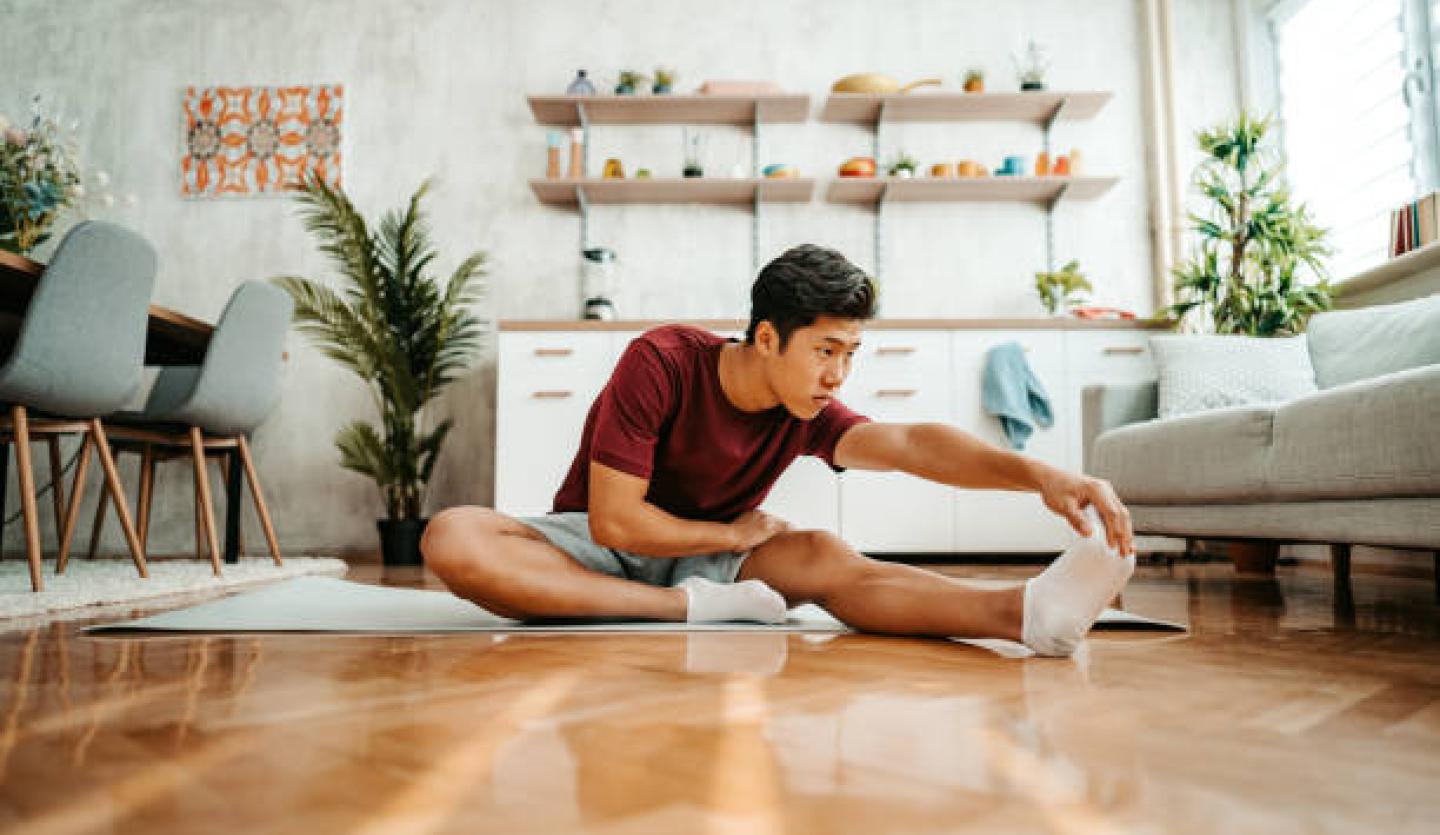
- Hamstring stretch — Sit on the floor with one leg extended and the other bent inward. Reach toward your toes until you feel a gentle pull.
- Neck stretch — Slowly tilt your head toward one shoulder and hold before switching sides.
- Quadriceps stretch — Stand tall, hold one ankle behind you and gently pull it toward your glutes to stretch the front of your thigh.
- Shoulder stretch — Bring one arm across your chest and use your opposite hand to pull it closer gently.
When to Be Cautious
As with any activity, always listen to your body while stretching. If something does not feel right, stop. Use these guidelines to stay safe:
- If you feel sharp or shooting pain, ease out of the stretch immediately. Stretching should feel like mild tension, not discomfort.
- Do not push your joints beyond their natural limits. Overstretching can cause strains or worsen existing injuries.
- If you have arthritis, joint replacements or a recent injury, talk to your physician or physical therapist before starting a new routine. They can help you find safe modifications.
“Stretching is not about forcing your body into extreme positions. It should never hurt,” Dr. Moustafa said. “Pain is your body’s warning sign. If you experience persistent soreness, swelling or limited movement, consult your physician. They can help identify the cause and get you the right care.”
Other Lifestyle Habits to Protect Your Joints
Stretching is only one part of protecting your joints. Pair it with other healthy habits that support strength, mobility and recovery:
- Build strength — Strong muscles stabilize your joints, absorb shock and limit wear. Add simple strength and mobility exercises to your routine, such as push-ups or wall sits.
- Eat for joint health — Choose foods rich in omega-3s, antioxidants, calcium and vitamin D for bone strength.
- Maintain a healthy weight — Extra weight adds pressure to weight-bearing joints, like your knees and hips.
- Manage stress and rest well — Stress and fatigue can increase joint inflammation.
- Move regularly — Avoid long periods of sitting. Take short breaks to stand, walk or stretch every hour, and choose supportive footwear.
- Practice good body mechanics — Pay attention to how you move during daily activities. Use your legs when lifting, keep items close to your body and switch sides when carrying bags to balance the load.
- Stay hydrated — Water keeps cartilage (the cushioning between your joints) soft and flexible.
- Watch your posture — Good posture reduces unnecessary stress on your joints and spine.
Your joints work hard for you every day. Returning the favor through stretching, movement and mindful habits helps ensure they continue to do so.


 Find a Doctor
 Find a Location
 Programs & Services
 Appointments & Video Visits



 Edge
Edge Chrome
 Safari
 Firefox